
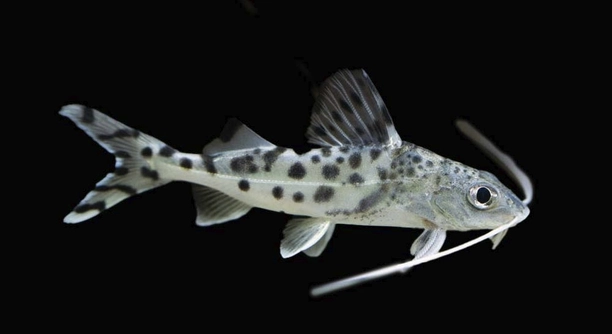
Are your aquarium tankmates acting strangely around your Pictus catfish? Understanding their behaviors can help maintain a peaceful tank environment. Observing these interactions closely ensures a healthier and more balanced aquatic community.
Pictus catfish are generally peaceful but active bottom dwellers. Tankmates may show curiosity, territoriality, or stress-related behaviors when sharing space. Recognizing these seven key behaviors is essential for managing compatibility and reducing conflicts in a community tank.
Knowing these behaviors will help you create a harmonious setup for your Pictus and their tank companions. Keeping an eye on their interactions promotes a happier, healthier aquarium environment.
Signs of Territorial Behavior
Territorial behavior around Pictus catfish often shows up as chasing or nipping at other fish. These catfish like to have their own space near the bottom of the tank. If another fish gets too close, the Pictus may become aggressive to protect its area. This is common in tanks that are too small or lack enough hiding spots. Providing plenty of plants, rocks, and decorations can help reduce these tensions. Watching for sudden bursts of speed or repeated chasing can signal that your Pictus feels threatened. It’s important to act early because constant stress can harm all fish involved.
If you notice chasing or nipping, consider rearranging the tank or adding more hiding places to ease aggression.
Creating separate zones with decorations gives each fish a safe spot. This reduces conflict and allows your Pictus to feel secure without stressing the others. With careful planning, territorial behavior can be minimized, keeping the tank peaceful for everyone.
How Pictus React to Shy Tankmates
Pictus catfish are curious but may unintentionally intimidate shy or timid fish. Their quick movements and active swimming style can startle quieter tankmates. When shy fish feel stressed, they often hide more or become less active. It’s important to observe these reactions to avoid long-term stress, which can weaken their immune system and affect growth. To help, provide plenty of shelter and consider tankmates that can handle a more active neighbor. Sometimes, adjusting feeding spots and times also helps shy fish feel safer. A balanced environment keeps all fish comfortable and reduces anxiety caused by the Pictus’s presence.
Keeping a watchful eye helps prevent shy fish from becoming overwhelmed, promoting better harmony in your aquarium.
Interaction with Fast Swimmers
Pictus catfish tend to be slower and prefer the bottom, while fast swimmers often occupy the mid to upper levels. This difference can cause some tension, as fast swimmers may intimidate or outcompete the Pictus for food.
Fast swimmers can stress Pictus by darting around the tank rapidly. This may make the catfish retreat to hiding spots more often, reducing their activity. Over time, this stress can impact the Pictus’s health and appetite. It’s important to monitor how these two types of fish share space during feeding times to ensure everyone gets enough food. Feeding in different areas can help reduce competition and tension.
Balancing the number of fast swimmers with calm bottom dwellers like Pictus is key. Too many fast fish can dominate the tank environment and limit the natural behavior of slower species, so careful selection and observation are necessary.
Social Behavior in Groups
Pictus catfish are social and prefer living in groups of five or more. Being in a group helps reduce stress and encourages natural behaviors like schooling and synchronized swimming. Without a group, they may become shy or withdrawn.
In groups, Pictus communicate through body language and subtle movements. This social structure helps establish order and reduces fighting between individuals. When kept in proper numbers, they display more active and confident behavior. They also explore the tank more and interact with other species less aggressively.
A small group of Pictus can create a peaceful, balanced dynamic. It’s important to maintain this social aspect to keep their behavior stable and the tank atmosphere calm. Group living makes them feel secure and promotes overall well-being.
Feeding Behavior Patterns
Pictus catfish are bottom feeders and tend to be most active during feeding times. They sift through substrate looking for leftover food, which helps keep the tank clean.
They can be shy when food is first introduced but quickly become eager. Feeding should be timed and portioned carefully to avoid competition with other fish.
Signs of Stress in Tankmates
Stress in tankmates often shows through hiding, loss of appetite, or erratic swimming. These signs can appear if the Pictus is too aggressive or dominant.
Watching for these behaviors helps maintain a healthy tank environment. Early detection allows for adjustments before serious health issues develop.
Nighttime Activity
Pictus catfish are mostly nocturnal. They become more active after the lights go out, searching for food and exploring their environment quietly.
This behavior means they might be less visible during the day but are busy at night, which is normal for their species.
FAQ
How do Pictus catfish behave around other bottom dwellers?
Pictus catfish usually share space well with other bottom dwellers, but they can show mild territorial behavior if space is limited. They prefer to have some room to swim and rest. Providing enough hiding spots helps reduce any tension. If the tank is crowded, you might see occasional chasing or nudging, but this is typically brief. Pictus are active and curious, so they may investigate other fish but rarely cause serious harm. Keeping the tank well-arranged with plenty of decorations helps all bottom dwellers coexist peacefully.
Can Pictus catfish live with aggressive fish?
Pictus catfish do best with peaceful or moderately active tankmates. Aggressive fish can stress or injure them due to their smaller size and peaceful nature. Pictus rely on hiding spots to escape threats, but constant bullying wears them down over time. If you notice signs of stress such as hiding too much or loss of appetite, consider removing aggressive fish. Choosing calm, community-friendly species promotes a safer and less stressful environment for your Pictus.
Why do Pictus catfish nip at the fins of other fish?
Nipping can happen when Pictus are competing for food or defending their territory. It’s usually not constant but happens during feeding or if another fish invades their space. This behavior can be reduced by feeding multiple spots in the tank and providing ample hiding places. Nipping is generally mild and rare if the tank is large enough and the fish are well-fed. Monitoring these interactions helps prevent escalation.
Do Pictus catfish need to be kept in groups?
Yes, Pictus catfish are social and feel more comfortable in groups of at least five. Being in a group reduces stress and encourages natural behaviors like swimming together and exploring. A lone Pictus may become shy or less active. Group living supports mental and physical health, making them more confident and interactive. When kept in proper numbers, Pictus tend to be calmer and display less territorial behavior.
What signs show that a Pictus catfish is stressed?
Stress in Pictus can appear as hiding too much, loss of appetite, or sudden changes in behavior like erratic swimming. They may also rub against tank decorations or the glass, indicating discomfort or irritation. Poor water quality, overcrowding, or aggressive tankmates often cause stress. Regular observation helps catch these signs early. Keeping water clean, tank conditions stable, and providing hiding places are key to reducing stress.
How do Pictus catfish interact with fast-moving fish?
Fast swimmers often intimidate Pictus catfish because the latter prefer calmer environments near the bottom. The quick movements can cause Pictus to retreat or hide more frequently. This can affect their feeding habits and reduce their activity. Balancing the number of fast swimmers and providing plenty of cover helps reduce stress for Pictus. Feeding in different zones of the tank can prevent competition and promote peaceful coexistence.
Are Pictus catfish nocturnal?
Yes, Pictus catfish are mostly active at night. They tend to rest during the day and become more lively when the lights go out. Nighttime activity includes foraging and exploring the tank. This natural behavior means they may be less visible during daylight hours but are busy at night. Providing dim lighting or a moonlight feature can encourage their natural nocturnal habits without disturbing other tankmates.
How can I reduce aggression between Pictus and other fish?
Aggression can be reduced by ensuring enough space and hiding spots for all fish. Rearranging tank decorations or adding plants helps create visual barriers and separate territories. Feeding in multiple locations reduces competition. Avoid keeping aggressive or overly territorial fish with Pictus. Observing interactions and acting quickly when tension arises helps maintain a peaceful tank environment.
What tank conditions support healthy behavior in Pictus catfish?
Stable water parameters with temperatures between 75-80°F, pH around 6.5-7.5, and good filtration support healthy Pictus behavior. Clean water reduces stress and promotes activity. A tank size of at least 30 gallons is recommended to give them room to swim. Providing hiding spots like caves, plants, or driftwood allows them to feel secure. Regular monitoring and maintenance ensure Pictus remain active and comfortable.
Do Pictus catfish show signs of bonding with other fish?
Pictus catfish don’t bond in the way some species do but do enjoy the company of their group. They swim together and stay close, which shows comfort and social behavior. They may also follow tankmates around without aggression. Their interactions are mostly about group cohesion and safety rather than affection. Maintaining a stable group environment supports these positive social behaviors and helps reduce stress.
Pictus catfish are interesting and active fish that bring life to any aquarium. Their behavior around tankmates can tell us a lot about how comfortable and healthy they feel. Observing how they interact with other fish is important for creating a peaceful environment. It is normal for Pictus to show some territorial or curious behaviors, but these should not cause ongoing stress or harm. Making sure they have enough space and hiding places helps reduce tension in the tank. This allows the Pictus and other fish to live together more calmly and happily.
Understanding how Pictus catfish behave helps avoid common problems in a community tank. They are social fish that do best in groups, and they usually get along with other peaceful species. However, fast or aggressive fish can cause stress, making it important to choose tankmates carefully. Providing plenty of places to hide and swim is key to their well-being. Watching for signs of stress, such as hiding or loss of appetite, allows for quick adjustments to the tank setup. By paying attention to their needs and behavior, you can create a better living space for all your fish.
Taking time to learn about Pictus catfish behavior makes keeping them more rewarding. Each fish has its own way of reacting to others, and these behaviors can change based on the tank environment. Regular observation and care help ensure the health and happiness of your aquatic community. With patience and proper management, Pictus catfish can thrive alongside a variety of tankmates. This balance results in a more enjoyable and peaceful aquarium for both the fish and the keeper.

Hello,
If you enjoy the content that we create, please consider saying a "Thank You!" by leaving a tip.
Every little bit helps us continue crafting quality advice that supports the health, happiness, and well-being of pets around the world, for pets of all shapes, sizes, and species.
We really appreciate the kindness and support that you show us!