
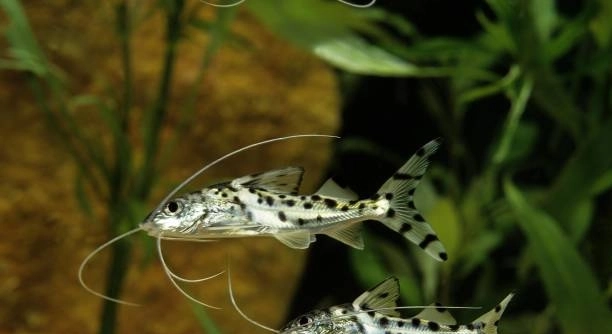
Do you have a Pictus Catfish in your aquarium and wonder about its social needs? Many fish owners think about whether these active swimmers prefer to be alone or with others. Understanding their behavior can help create a better home for them.
Pictus Catfish are social creatures that generally benefit from living in groups of at least three to five individuals. Keeping them in company helps reduce stress and encourages natural schooling behavior, which promotes their overall well-being and activity.
Knowing how to care for these fish socially will improve their happiness and health. The following information will guide you on the best ways to keep your Pictus Catfish comfortable in your tank.
Social Behavior of Pictus Catfish
Pictus Catfish are naturally schooling fish, meaning they feel most comfortable and secure when they are part of a group. In the wild, they swim in small schools to protect themselves from predators and to explore their environment safely. When kept alone in a tank, these fish can become stressed or shy, hiding more often and showing less activity. Grouping them helps them stay active and exhibit natural behaviors like foraging together and swimming in sync. It also reduces aggressive or nervous behavior. Tank mates should be compatible in size and temperament to avoid conflicts. Adding at least three to five Pictus Catfish is ideal for their well-being. Their social nature encourages a lively aquarium environment that many fish owners appreciate.
Keeping them in groups mimics their natural environment and promotes their mental and physical health. This social aspect is essential for their happiness.
When Pictus Catfish are together, they communicate through subtle movements and body language. They rely on the presence of their group to feel secure and explore confidently. This social interaction benefits their immune system and reduces stress-related illnesses. It also makes them more engaging to watch, as they move gracefully and interact with each other. Providing hiding spots and open swimming areas helps maintain a balanced environment where they feel safe and free. Overall, social living contributes significantly to their quality of life in captivity.
How to Introduce Company for Pictus Catfish
Introducing new Pictus Catfish to an existing tank should be done gradually. Sudden changes can cause stress and aggression.
Start by quarantining new fish to ensure they are healthy and disease-free. After that, slowly acclimate them to the tank’s water conditions. When placing them together, watch for signs of bullying or excessive hiding. Rearranging the tank decorations before introduction can reduce territorial behavior. Providing enough space and hiding spots helps all fish feel secure. Regular observation during the first few days is important to ensure peaceful integration and overall well-being.
Ideal Tank Conditions for Pictus Catfish
Pictus Catfish need plenty of space to swim, so a tank of at least 30 gallons is recommended for a small group. They prefer clean water with moderate flow and plenty of hiding spots.
Maintaining good water quality is key to their health. A filter that keeps water clear and oxygenated helps them thrive. Regular water changes, about 25% weekly, remove waste and prevent harmful buildup. The water temperature should stay between 72°F and 78°F, with a pH around 6.5 to 7.5. Soft to moderately hard water suits them best. Substrate should be smooth, like sand or fine gravel, to protect their delicate barbels. Adding plants and driftwood offers shelter and mimics their natural habitat, making them feel secure.
Lighting should be moderate because bright lights can stress these nocturnal fish. Dim or shaded areas allow them to rest comfortably during the day. Balancing these tank conditions creates a supportive environment that helps Pictus Catfish show their natural behavior and stay healthy.
Feeding and Nutrition Needs
Pictus Catfish are omnivores and enjoy a varied diet that includes sinking pellets, live foods, and vegetables. Feeding small amounts twice a day prevents overfeeding and water pollution.
Their diet should include protein-rich foods like bloodworms, brine shrimp, or daphnia, which support their active lifestyle. Occasionally, they also nibble on algae or plant matter in the tank. Providing a mix of prepared and live foods ensures they get balanced nutrition. It is important to monitor their eating habits to adjust portions and avoid leftover food, which can harm water quality. Offering different food types encourages natural foraging behavior and keeps them mentally stimulated. Feeding them at the bottom of the tank matches their scavenging nature and helps reduce competition with mid-water fish. Overall, a balanced feeding routine supports their health and longevity.
Signs of Stress in Pictus Catfish
Stress in Pictus Catfish can show as hiding, loss of appetite, or erratic swimming. These signs often indicate poor water quality or lack of social interaction.
Long-term stress weakens their immune system and makes them prone to disease. It’s important to address these issues quickly.
Choosing Tank Mates for Pictus Catfish
Pictus Catfish do best with peaceful, similarly sized fish. Avoid aggressive or overly large species that may bully or harm them. Ideal tank mates include tetras, rasboras, and other calm community fish. Keeping compatible species together reduces stress and promotes a balanced tank environment where all fish can thrive.
Importance of Hiding Spots
Hiding places help Pictus Catfish feel safe and reduce stress. Use caves, plants, or driftwood to create shaded, sheltered areas.
Monitoring Behavior Regularly
Watching your catfish daily helps catch health or social problems early. Changes in behavior often signal tank or health issues that need quick action.
FAQ
Do Pictus Catfish always need to be in groups?
Pictus Catfish are social fish and generally do better in groups of three or more. While they can survive alone, they may become shy or stressed without company. Groups help them feel secure and encourage natural schooling behavior, which supports their mental and physical health.
How many Pictus Catfish should I keep together?
A small group of three to five Pictus Catfish is ideal for a home aquarium. This number allows them to interact naturally without overcrowding the tank. Too few fish might not provide enough social interaction, while too many can create stress and competition for resources.
Can Pictus Catfish live with other species?
Yes, Pictus Catfish can live peacefully with many community fish species. Choose tank mates that are calm, similar in size, and non-aggressive. Avoid large or territorial fish, as they may stress or harm the catfish. Good companions include small tetras, rasboras, and peaceful bottom dwellers.
What tank size is best for a group of Pictus Catfish?
A tank of at least 30 gallons is recommended for a small group of Pictus Catfish. They are active swimmers and need space to move freely. Larger tanks with plenty of hiding spots and swimming areas create a comfortable environment that supports their natural behaviors.
What type of water conditions do Pictus Catfish prefer?
Pictus Catfish thrive in clean water with moderate flow. Keep the temperature between 72°F and 78°F and maintain a pH around 6.5 to 7.5. Soft to moderately hard water is best. Regular water changes and proper filtration are essential to keep their environment healthy.
How often should I feed my Pictus Catfish?
Feed Pictus Catfish small amounts twice a day. They are omnivores and need a balanced diet of sinking pellets, live or frozen protein foods, and occasional vegetables. Avoid overfeeding to keep water quality stable and prevent health problems.
What are common signs of stress in Pictus Catfish?
Signs of stress include hiding excessively, loss of appetite, rapid breathing, and erratic swimming. Stress can result from poor water quality, lack of social interaction, or aggressive tank mates. Addressing these issues quickly helps prevent illness.
How can I reduce stress for my Pictus Catfish?
Maintain stable water conditions, keep them in groups, and provide plenty of hiding spots. Choose compatible tank mates and avoid sudden changes in their environment. Monitoring their behavior daily allows you to spot problems early and take action.
Is it necessary to quarantine new Pictus Catfish before adding them to the tank?
Quarantining new fish is highly recommended. It helps prevent the introduction of diseases and parasites to your established tank. Keep new fish in a separate tank for at least two weeks, monitor their health, and only add them to the main tank once you are sure they are healthy.
Can Pictus Catfish live in a planted tank?
Yes, they do well in planted tanks. Plants provide hiding spots and help improve water quality. Choose hardy plants that can tolerate moderate water flow and lighting. Avoid sharp or rough decorations that might damage their barbels.
How long do Pictus Catfish usually live?
With proper care, Pictus Catfish can live 8 to 10 years in captivity. Maintaining good water quality, providing a suitable diet, and ensuring they have company helps extend their lifespan. Regular tank maintenance is also important for their long-term health.
What should I do if my Pictus Catfish stops eating?
Loss of appetite can signal stress, illness, or poor water quality. Check water parameters and look for signs of disease. Offering live or frozen foods can encourage eating. If the problem continues, consult an aquatic veterinarian or experienced fish keeper for advice.
Are Pictus Catfish nocturnal?
They are mostly active at night but can be seen swimming during the day, especially in low light conditions. Providing dim lighting and shaded areas in the tank helps them feel comfortable and encourages natural activity patterns.
Do Pictus Catfish require special substrate?
Soft substrates like sand or fine gravel are best. These protect their sensitive barbels from damage while they forage along the tank bottom. Avoid sharp or rough substrates that could cause injury.
Can Pictus Catfish jump out of the tank?
Yes, they are known to jump occasionally, especially if stressed or startled. A tight-fitting lid or cover is important to keep them safely inside the aquarium.
How do I know if my Pictus Catfish are happy?
Happy Pictus Catfish swim actively, school together, and show normal feeding behavior. They explore their environment and use hiding spots without hiding excessively. Their barbels move gently as they search for food, and their color stays bright and consistent.
Pictus Catfish are social animals that do best when kept with others of their kind. Keeping them in groups helps them feel safe and reduces stress. Alone, they may hide a lot or seem less active. When in company, they swim together, explore, and behave more naturally. This social behavior is important for their well-being and makes them more enjoyable to watch. Creating the right group size, usually three to five fish, gives them enough interaction without overcrowding the tank.
It is also important to provide the right tank environment for Pictus Catfish. They need enough space to swim, clean water, and places to hide. Soft substrate like sand or fine gravel protects their delicate barbels while they search for food. Moderate lighting and shaded spots help them feel comfortable since they are more active during low light. Regular water changes and proper filtration keep the water quality good, which reduces stress and illness. Good tank mates that are peaceful and similar in size help create a balanced community tank.
Feeding should be consistent and balanced to keep Pictus Catfish healthy. They eat a variety of foods, including sinking pellets, live or frozen protein, and some plant matter. Feeding small amounts twice a day helps avoid leftover food that can harm water quality. Watching their behavior and signs of stress is important to catch problems early. When their social, environmental, and dietary needs are met, Pictus Catfish can live long and healthy lives, adding activity and interest to your aquarium.

Hello,
If you enjoy the content that we create, please consider saying a "Thank You!" by leaving a tip.
Every little bit helps us continue crafting quality advice that supports the health, happiness, and well-being of pets around the world, for pets of all shapes, sizes, and species.
We really appreciate the kindness and support that you show us!