
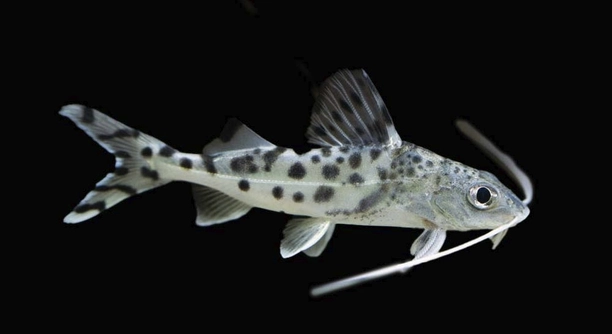
Many fish owners notice their pictus catfish swimming upside down at times. This behavior can be surprising and sometimes worrying for those who care about their aquatic pets. It’s a common topic among aquarium enthusiasts.
Swimming upside down in pictus catfish is often related to buoyancy or health issues. It may indicate swim bladder problems, stress, or environmental factors affecting the fish’s balance and orientation. Proper diagnosis and care can help address this behavior effectively.
Understanding why your pictus behaves this way can improve your fish-keeping experience. Learning what causes upside-down swimming helps ensure your fish stays healthy and comfortable in its tank environment.
Why Do Pictus Swim Upside Down?
Sometimes, pictus catfish swim upside down because of swim bladder issues. The swim bladder is an internal organ that helps fish control their buoyancy. When it’s not working right, the fish can’t keep a normal position in the water. This can happen from overfeeding, poor water quality, or infections. Stress also plays a role. When the tank environment changes suddenly or is uncomfortable, pictus may swim oddly. Sometimes, they just explore or rest near the surface, which can look like upside-down swimming. Watching closely can help tell if it’s a short behavior or a health problem.
Upgrading water conditions and watching feeding habits can help reduce this upside-down swimming.
If your pictus is swimming upside down often, check water parameters like pH and ammonia levels. Clean the tank regularly to avoid harmful buildup. Feed your fish smaller portions to prevent digestive issues affecting the swim bladder. If the behavior continues, a vet might be needed to diagnose infections or injuries. Proper care can restore your fish’s balance and keep it swimming normally.
How to Support Your Pictus’ Health
Good water quality is key to your pictus’ health. Poor conditions cause stress and sickness.
Keeping the tank clean means doing regular water changes and using a good filter. Test water often for ammonia, nitrites, and nitrates, as these can harm fish. Make sure temperature and pH levels suit pictus catfish needs. Avoid overcrowding the tank to reduce stress. Also, feed a balanced diet with quality pellets or frozen food. Healthy fish swim normally and show active behavior. Paying attention to these factors will improve your pictus’ well-being and prevent odd swimming patterns.
Common Causes of Upside-Down Swimming
Swim bladder disorder is a frequent cause of upside-down swimming in pictus catfish. This affects their buoyancy control, making it difficult to stay upright. Stress and poor water quality also contribute.
Improper diet, especially overfeeding or feeding too much dry food, can lead to digestive problems that impact the swim bladder. Sudden changes in water temperature or pH stress the fish, causing unusual behavior. Tank overcrowding limits space and increases aggression, which can affect your pictus’ comfort. Monitoring water parameters and adjusting feeding habits helps prevent these issues. If the behavior persists, a vet visit may be necessary to rule out infections or parasites.
Physical injury or illness can also cause swimming problems. A damaged fin or internal infection affects balance and movement. Regular tank maintenance and careful observation help catch health problems early. Providing a calm environment and quality food supports your pictus’ recovery and prevents future swimming difficulties.
When to Seek Veterinary Help
Persistent upside-down swimming often signals serious health issues requiring professional care.
If your pictus shows no improvement after adjusting tank conditions and feeding habits, a vet should examine it. Look for other signs like loss of appetite, clamped fins, or lethargy. A professional can diagnose swim bladder infections, internal parasites, or injuries. Early treatment improves recovery chances. Attempting home remedies without a clear diagnosis can make problems worse. Trusting expert advice ensures your fish receives proper care, helping it return to normal swimming and better health.
Preventing Upside-Down Swimming
Maintaining stable water conditions is essential to prevent upside-down swimming in pictus catfish. Regular testing and water changes keep the environment safe.
Avoid overfeeding and provide a balanced diet. Stress reduction through proper tank setup also helps keep your pictus swimming normally.
Tank Setup Tips for Healthy Swimming
A spacious tank with gentle filtration supports your pictus’ well-being. Provide hiding spots with plants or decorations to reduce stress. Keep water temperature between 72–79°F (22–26°C) and maintain pH around 6.5–7.5. Avoid sudden changes to prevent shock and swimming problems.
Observing Your Pictus Daily
Daily observation helps catch early signs of distress. Note any unusual behavior or changes in appetite to act promptly and keep your fish healthy.
FAQ
Why is my pictus swimming upside down all the time?
Constant upside-down swimming usually means a swim bladder issue. This organ controls buoyancy, and when it’s not functioning well, your fish struggles to stay upright. Causes include infections, digestive problems from overfeeding, or poor water quality. Stress and injuries can also affect swimming patterns.
Can stress cause upside-down swimming in pictus catfish?
Yes, stress is a common factor. Changes in water temperature, poor tank conditions, overcrowding, or sudden movements near the tank can stress pictus catfish. When stressed, they may swim abnormally, including upside down. Improving tank conditions and minimizing disturbances helps reduce stress-related behaviors.
How can I fix swim bladder problems at home?
You can try feeding peas (with skin removed) to relieve constipation, which sometimes affects the swim bladder. Also, reduce feeding amounts and improve water quality with regular changes. Avoid sudden temperature changes. However, if symptoms persist, professional help is recommended to address infections or other causes.
Is upside-down swimming a sign of disease?
Often, yes. Swim bladder infections, internal parasites, or bacterial diseases can cause balance problems. Look for other symptoms like lethargy, clamped fins, or loss of appetite. Early diagnosis and treatment are important for recovery.
Should I isolate my pictus if it swims upside down?
Isolation can help if the fish shows signs of illness to prevent spreading infection and reduce stress. It also allows closer monitoring and easier treatment. Make sure the quarantine tank has stable water conditions and proper filtration.
Does tank size affect pictus swimming behavior?
Yes, small or overcrowded tanks can stress fish and limit swimming space, leading to abnormal behaviors like upside-down swimming. Pictus catfish need at least 30 gallons with proper filtration and hiding spots to feel secure and swim naturally.
Can temperature changes cause my pictus to swim upside down?
Sudden or extreme temperature changes can shock your fish, disrupting their buoyancy control and causing upside-down swimming. Maintain a stable temperature between 72–79°F (22–26°C) and avoid placing the tank near drafts or heaters.
How long does it take for a pictus to recover from swim bladder issues?
Recovery time varies depending on cause and treatment. Mild cases from constipation may improve within a few days with dietary changes. Infections or injuries may take weeks with medication and care. Patience and consistent tank maintenance are key.
What diet is best for preventing swim bladder problems?
A balanced diet of high-quality pellets, frozen or live foods like bloodworms or brine shrimp helps maintain good digestion. Avoid overfeeding and offer occasional vegetables such as blanched peas. Proper nutrition supports swim bladder health and overall well-being.
Can I prevent upside-down swimming altogether?
While not always preventable, you can greatly reduce risk by maintaining clean water, feeding appropriate amounts, avoiding sudden changes, and watching your fish regularly. Early attention to behavior changes helps keep your pictus healthy and swimming right.
Taking care of a pictus catfish means paying close attention to its behavior, especially when it starts swimming upside down. This behavior often signals an underlying issue like swim bladder problems, stress, or water quality concerns. Understanding these causes helps in taking the right steps to improve your fish’s health. Small changes in diet, tank maintenance, and environment can make a big difference. Consistent care and observation are key to ensuring your pictus stays healthy and comfortable in its home.
Keeping water clean and stable is one of the most important things you can do. Testing water parameters regularly helps spot problems early before they affect your fish too much. Changing the water often and avoiding overcrowding reduce stress and prevent many common health issues. Feeding your pictus a balanced diet in moderate amounts also supports good digestion and swim bladder function. It’s important not to rush treatments or try too many fixes at once. Sometimes, simple adjustments are enough to bring your fish back to normal swimming.
If upside-down swimming continues despite your efforts, consulting a veterinarian or an experienced aquarist can provide more answers. They can diagnose infections or other medical problems that may not be obvious. Early professional care improves recovery chances and helps prevent complications. Overall, staying attentive to your pictus catfish’s needs and behavior allows you to enjoy a healthy, active fish. With patience and proper care, your pictus will have a better chance to swim normally and thrive in its environment.

Hello,
If you enjoy the content that we create, please consider saying a "Thank You!" by leaving a tip.
Every little bit helps us continue crafting quality advice that supports the health, happiness, and well-being of pets around the world, for pets of all shapes, sizes, and species.
We really appreciate the kindness and support that you show us!