
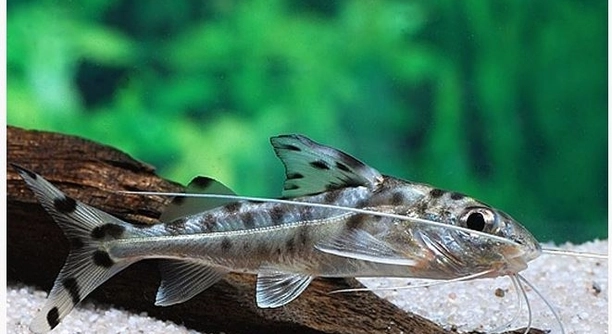
An anxious-looking pictus can be worrying to see, especially if you want your fish to feel safe and comfortable. Many owners notice their pictus swimming nervously or hiding more than usual. Understanding how to calm them can improve their wellbeing.
Calming an anxious pictus involves creating a stable and low-stress environment. This includes maintaining clean water, providing hiding spots, minimizing sudden movements or loud noises, and ensuring proper tank mates to reduce territorial aggression. These steps help reduce stress and promote natural behavior.
Knowing how to ease your pictus’s anxiety will help you create a peaceful tank atmosphere for your fish to thrive. Simple changes can make a big difference in their daily life.
Create Hiding Spots for Your Pictus
Providing hiding places is one of the best ways to help an anxious pictus feel secure. These fish naturally seek shelter when they feel threatened or stressed. You can add decorations like caves, driftwood, or dense plants to the tank. Make sure the hiding spots are large enough for your pictus to enter comfortably. When they have a place to retreat, their anxiety often decreases. This also mimics their natural environment, which makes them more relaxed overall. Avoid overcrowding the tank with too many decorations, as this can limit swimming space and cause other problems. Finding a good balance between open space and hiding spots supports both their physical and emotional needs.
Adding simple shelters can instantly improve your pictus’s comfort. This small change reduces stress and encourages natural behaviors.
Many aquarists notice that after introducing hiding spots, their pictus swim more confidently and rest calmly. The secure areas give them control over their environment, lowering fear and nervousness. When you see your fish spending time in these shelters rather than darting around, it means they feel safer. Over time, they may become more social and less jumpy. Hiding spots also help when new fish are introduced or when the tank conditions fluctuate. This tactic supports your pictus’s mental health and contributes to a stable, peaceful tank atmosphere that benefits all inhabitants.
Maintain Stable Water Conditions
Water quality directly impacts your pictus’s stress levels. Fluctuations in temperature, pH, or ammonia can make them anxious and unhealthy.
Keeping the water stable is crucial. Regular testing and partial water changes help maintain consistent conditions. Avoid sudden changes, as pictus are sensitive to disturbances. A reliable filter and proper aeration improve water quality, reducing toxins that increase stress. Keeping the tank clean also prevents harmful bacteria from growing. When your water conditions are stable, your pictus can focus on normal activities like feeding and exploring. This helps reduce their anxious behavior and promotes a longer, healthier life.
Good water care is the foundation for calming your pictus. It ensures they remain comfortable and less prone to stress-related issues.
Keep Tank Noise and Movement Low
Pictus catfish are easily startled by sudden noises and rapid movements around their tank. Keeping the environment calm helps them feel secure.
Loud sounds or quick actions can trigger anxiety, causing your pictus to hide or swim erratically. Place the tank in a quiet area away from heavy foot traffic, loud speakers, or other noisy appliances. Avoid tapping on the glass or sudden movements while feeding or cleaning. Gentle, slow motions help your fish stay calm and trust their surroundings. A peaceful environment lets them focus on normal behaviors instead of constantly reacting to stress.
Consistent low noise levels support your pictus’s well-being. When the area around the tank is quiet, they spend less energy on defense and more on resting and exploring their space naturally.
Use Compatible Tank Mates
Aggressive or overly active tank mates can increase your pictus’s anxiety. Choosing calm, compatible species reduces stress.
Pictus catfish prefer peaceful companions that don’t chase or compete aggressively. Avoid keeping them with large, territorial, or very active fish. Smaller, similarly peaceful species make good tank mates, helping maintain a calm atmosphere. Overcrowding can also cause tension, so keep the fish number appropriate for the tank size. Watching how your pictus interacts with others can guide you in making adjustments. Compatible tank mates help your fish feel safe and less threatened, improving their behavior and health overall.
Ensuring peaceful cohabitants lets your pictus relax and display natural social behavior. This balance is key to creating a stress-free tank environment that benefits all the fish living there.
Provide a Balanced Diet
A varied diet helps keep your pictus healthy and less anxious. Feeding high-quality pellets, live or frozen foods gives them the nutrients they need.
Offering different food types also keeps mealtime interesting, encouraging regular eating habits. Avoid overfeeding, as this can pollute the tank and cause stress.
Maintain Proper Lighting
Too bright or constantly changing light can make your pictus uneasy. Soft, steady lighting that mimics natural day and night cycles works best.
Using a timer to control light duration helps establish a routine. This reduces stress and supports their natural behavior patterns.
Monitor Health Regularly
Regularly check your pictus for signs of illness or injury. Early detection helps prevent stress from sickness.
Healthy fish are less likely to show anxious behaviors.
FAQ
Why does my pictus look anxious even in a clean tank?
Sometimes, even with clean water, other factors cause anxiety. These include bright lighting, loud noises, or incompatible tank mates. Pictus are sensitive fish that need a calm environment with hiding spots and low disturbance. Checking the whole environment can help find the cause of stress.
How can I tell if my pictus is stressed or sick?
Signs of stress include hiding, rapid breathing, loss of appetite, or unusual swimming patterns. If sickness is involved, you might see faded colors, spots, or wounds. Stress and illness often overlap, so observing behavior closely is important for early care.
Can tank size affect pictus anxiety?
Yes, a small tank can cause stress due to limited space and poor water quality. Pictus need room to swim and explore. A tank of at least 30 gallons is recommended to reduce stress and support healthy behavior.
Are sudden changes in the tank harmful to pictus?
Sudden changes in temperature, water chemistry, or decorations can make pictus anxious. They prefer stable conditions with slow adjustments. Sudden shifts can shock their system, so gradual changes are best.
What foods help reduce anxiety in pictus?
A balanced diet with variety helps maintain health and calm behavior. Feeding high-quality pellets with live or frozen foods like bloodworms or brine shrimp supports their nutritional needs and encourages natural foraging.
How often should I clean the tank to keep my pictus calm?
Regular water changes of 20-30% weekly help maintain water quality without disturbing the fish too much. Avoid deep cleanings that upset the tank’s balance, as pictus are sensitive to changes in their environment.
Is it normal for pictus to hide a lot?
Yes, hiding is natural, especially when they feel stressed or during the day since pictus are more active at night. Providing plenty of hiding spots helps them feel safe and less anxious.
Can I keep pictus with other catfish?
Pictus generally get along well with other peaceful catfish species. However, avoid overly aggressive or territorial fish to reduce anxiety and conflict. Monitor behavior to ensure all fish coexist peacefully.
What lighting is best for a pictus tank?
Soft, dim lighting that mimics their natural environment is ideal. Bright or flashing lights can cause stress. Using a timer to keep a regular day and night cycle helps maintain calm behavior.
How long does it take for a pictus to settle in a new tank?
It can take several days to a few weeks for a pictus to feel comfortable in a new environment. Providing hiding spots, stable water conditions, and minimal disturbances speeds up the adjustment period.
Can adding plants help reduce anxiety?
Live or artificial plants provide hiding places and reduce open swimming space, which can lower stress. They also help improve water quality and create a more natural environment for pictus.
What should I do if my pictus still looks anxious after trying everything?
If anxiety continues, reassess tank conditions including water parameters, tank mates, and noise levels. Consulting a fish specialist or veterinarian may be needed to check for hidden health issues or environmental problems.
Final Thoughts
Helping an anxious pictus feel calm takes time and patience. These fish are sensitive to many things in their environment, such as water quality, lighting, and tank mates. Small changes can make a big difference in how your pictus behaves. It’s important to observe your fish closely and notice what makes them more comfortable or stressed. By keeping their tank clean, stable, and peaceful, you give them the best chance to feel safe and relaxed.
Creating hiding spots and providing a balanced diet are simple but effective ways to support your pictus’s wellbeing. They need places to retreat when they feel uneasy, and good nutrition helps them stay healthy. Avoid loud noises and sudden movements around the tank, as these can trigger anxiety. When your pictus feels secure, you’ll notice calmer swimming and more natural behavior. Consistency in care is key, and over time, your fish will adapt to the environment you provide.
Even with the best care, some pictus may take longer to settle down than others. Every fish has its own personality and tolerance for change. Remember to be patient and keep monitoring the tank conditions. If anxiety or unusual behavior continues, it could be a sign of illness or other problems needing attention. Taking a calm, steady approach to care will help your pictus live a longer, happier life in your tank.

Hello,
If you enjoy the content that we create, please consider saying a "Thank You!" by leaving a tip.
Every little bit helps us continue crafting quality advice that supports the health, happiness, and well-being of pets around the world, for pets of all shapes, sizes, and species.
We really appreciate the kindness and support that you show us!