
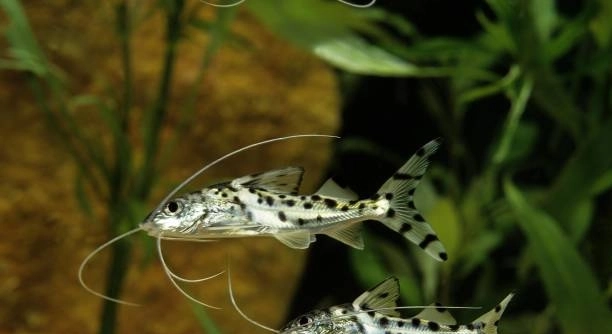
Is your Pictus catfish suddenly spending more time hiding than swimming? Many aquarium owners notice this change and wonder what might be causing it. Understanding this behavior can help keep your fish healthy and comfortable.
Pictus catfish often hide due to stress, changes in their environment, or illness. Factors such as water quality, tank mates, or lack of hiding spots can trigger this behavior, prompting the fish to seek shelter for safety and comfort.
Learning the common reasons behind this behavior can improve your aquarium care and help your Pictus feel secure again. There are simple steps you can take to encourage your fish to come out more often.
Common Causes of Sudden Hiding in Pictus Catfish
When your Pictus catfish suddenly starts hiding, it often signals discomfort or stress. Changes in water parameters like temperature, pH, or ammonia levels can make the fish uneasy. Sometimes, new tank mates or overcrowding create a stressful environment. Lack of proper hiding spots or decorations in the tank may also cause your catfish to retreat more often. Illness or parasites can lead to lethargy and hiding as well. Watching your fish closely for other signs like loss of appetite or unusual swimming patterns can help pinpoint the problem. Regular water testing and maintenance play a big role in preventing these issues. Keeping the tank environment stable and calm helps your Pictus feel secure and behave normally.
Stress can build up quickly, so it’s important to act fast to protect your fish.
To help your Pictus catfish feel safer, consider adding plants, caves, or driftwood to provide hiding places. Avoid sudden changes in water conditions or adding aggressive fish that may intimidate them. Maintaining good water quality by doing regular water changes and monitoring parameters keeps the environment stable. If illness is suspected, a trip to the vet or using fish-safe treatments may be necessary. Observing your catfish daily will help catch any problems early and ensure a peaceful tank atmosphere.
How to Improve Your Pictus Catfish’s Comfort
Offering plenty of natural hiding spots reduces stress and encourages your catfish to explore.
Provide varied tank décor such as smooth rocks, plants, and caves to mimic their natural habitat. Make sure the tank has enough space and avoid overcrowding. Gentle lighting and quiet surroundings also help reduce anxiety. Maintain a stable water temperature between 74–79°F and keep the pH around 6.5–7.5. Avoid sudden changes in water parameters and introduce new tank mates slowly. Feeding your catfish a balanced diet rich in protein supports its health and energy levels. Patience is key, as some Pictus catfish may take time to feel comfortable again. Following these steps will help your fish come out of hiding and thrive in your aquarium.
Signs of Illness in Pictus Catfish
Illness often causes your Pictus catfish to hide more than usual. Look for changes in behavior, such as sluggish movement, loss of appetite, or visible spots and wounds.
When a Pictus catfish is sick, it may swim erratically or stay at the bottom of the tank. Changes in color or a faded appearance can also be warning signs. White spots, redness, or clamped fins may indicate infections or parasites. Early detection is important to prevent the illness from worsening. Quarantining the fish and treating with appropriate medication can help your catfish recover quickly.
If hiding is combined with difficulty breathing or swollen body parts, immediate action is needed. Regular tank cleaning and monitoring water quality reduce the risk of disease. Always keep an eye on your catfish for subtle changes to catch illness early and improve its chances of healing.
Impact of Tank Environment on Behavior
Tank size, décor, and water conditions directly affect your Pictus catfish’s comfort and behavior.
A small or crowded tank can cause stress and increase hiding. Proper tank size is crucial; a 30-gallon tank or larger is recommended for Pictus catfish to swim freely. Decorations such as plants, caves, and driftwood offer shelter and reduce anxiety. Clean, well-filtered water with stable temperature and pH supports healthy behavior. Sudden changes in environment or aggressive tank mates can frighten your fish, causing it to hide. Providing a calm, spacious, and enriched tank environment helps your Pictus catfish feel secure and display natural behavior instead of retreating to hiding spots.
Adjusting Lighting and Noise Levels
Bright lights and loud noises can stress Pictus catfish, causing them to hide more often.
Keeping lighting dim and avoiding sudden loud sounds helps your fish feel safer and less anxious in the tank.
Feeding Habits and Their Effect on Hiding
Irregular feeding or poor diet can make your Pictus catfish retreat into hiding. Consistent feeding times and a varied diet with high-quality protein improve their energy and confidence. Hungry or weak fish are more likely to stay hidden, so maintaining a proper feeding routine supports healthy behavior.
When to Seek Professional Help
If hiding continues despite improved tank conditions, illness might require expert treatment.
The Role of Water Quality Testing
Why is my Pictus catfish hiding all the time?
Pictus catfish hide frequently when they feel stressed or unsafe. Common causes include poor water quality, sudden changes in the tank, or aggressive tank mates. They naturally prefer to stay hidden during the day because they are more active at night. If hiding becomes constant, it might indicate a problem with their environment or health.
How can I tell if my Pictus catfish is sick?
Signs of illness include lethargy, loss of appetite, faded colors, white spots, clamped fins, or unusual swimming. If your fish shows these symptoms along with hiding, it’s likely sick. Early detection is important to treat any disease before it worsens.
What water conditions are best for Pictus catfish?
They thrive in water temperatures between 74°F and 79°F, with a pH of 6.5 to 7.5. Clean, well-filtered water with low ammonia and nitrite levels is crucial. Regular water tests and changes help maintain stable conditions that reduce stress.
Can tank mates cause hiding behavior?
Yes, aggressive or overly active tank mates can intimidate Pictus catfish, pushing them to hide. Peaceful community fish are better companions. Avoid housing them with large, aggressive species that may harass or compete for food.
How important are hiding spots in the tank?
Very important. Pictus catfish feel safer when they have places to retreat to, like caves, plants, or driftwood. Without enough shelter, they may hide out of stress. Adding decor that mimics their natural environment helps reduce anxiety.
What should I feed my Pictus catfish to keep it healthy?
Feed a varied diet that includes sinking pellets, live or frozen bloodworms, brine shrimp, and occasional vegetables. Consistent feeding times and a nutritious diet keep them strong and active, which reduces hiding caused by weakness or hunger.
Is sudden hiding a sign of water problems?
Often, yes. Changes in water temperature, pH, or poor water quality can stress fish and make them hide. Testing the water regularly and performing partial water changes can prevent this issue.
How long can Pictus catfish stay hidden before it’s a problem?
If your fish hides for several days and shows little activity, it could indicate stress or illness. Occasional hiding is normal, but prolonged hiding needs attention to tank conditions and health.
Can lighting affect Pictus catfish behavior?
Bright or harsh lighting can cause stress, making Pictus catfish hide more. They prefer dim lighting or shaded areas. Adjusting light intensity or adding floating plants can create a comfortable environment.
When should I consult a vet or fish specialist?
If your catfish continues hiding despite improved tank conditions, or shows signs of illness like spots, fin damage, or swelling, it’s time to seek professional advice. Early treatment improves recovery chances.
Does overcrowding affect hiding?
Yes, overcrowding increases stress and competition for resources, causing fish to hide more. Ensuring adequate tank size and proper stocking levels promotes natural behavior and reduces hiding.
Can stress from transport or tank changes cause hiding?
Definitely. Moving to a new tank or recent changes can cause stress and hiding for several days. Providing stable conditions and time to acclimate helps your fish adjust and come out of hiding.
Are Pictus catfish nocturnal?
They are more active at night, so it’s normal to see them hiding during the day. However, if they remain hidden all the time, especially during nighttime, it could signal a problem.
What role does diet play in hiding behavior?
Poor nutrition weakens fish, making them less active and more likely to hide. Feeding high-quality food regularly supports their energy levels and natural behavior.
How do I reduce stress for my Pictus catfish?
Maintain stable water conditions, provide hiding spots, avoid sudden changes, and keep peaceful tank mates. A calm environment encourages your fish to swim openly and reduces hiding.
Your Pictus catfish hiding suddenly can be worrying, but it often points to common and manageable causes. Stress, changes in the tank environment, or illness are usually behind this behavior. Paying attention to water quality, tank mates, and the overall setup helps prevent your fish from feeling unsafe. A clean, stable tank with proper hiding spots creates a comfortable space where your Pictus can thrive. When these needs are met, they are more likely to swim openly and show their natural behavior.
It is important to watch your catfish closely for any signs of illness. Changes like loss of appetite, color fading, or unusual swimming should not be ignored. Early detection and treatment of diseases can make a big difference. Also, keep in mind that Pictus catfish are naturally more active at night and may hide during the day. Understanding this helps avoid unnecessary worry. If you notice that your fish is hiding too much, take steps to improve the tank environment first, such as adding plants or caves, stabilizing water parameters, and ensuring peaceful tank mates.
Finally, patience and consistency are key. Fish can take time to adjust to new conditions or recover from stress and illness. Making gradual improvements and maintaining good care routines will help your Pictus feel safe and happy. If problems persist despite your best efforts, consulting a fish health expert is a wise choice. With proper attention and care, your Pictus catfish can return to its usual active and friendly self in your aquarium.

Hello,
If you enjoy the content that we create, please consider saying a "Thank You!" by leaving a tip.
Every little bit helps us continue crafting quality advice that supports the health, happiness, and well-being of pets around the world, for pets of all shapes, sizes, and species.
We really appreciate the kindness and support that you show us!