
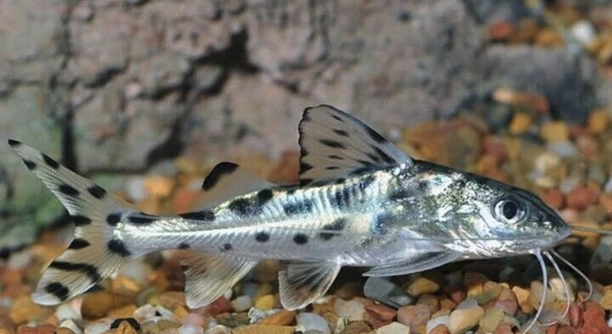
Pictus catfish are popular freshwater fish known for their active behavior and striking appearance. Many aquarium owners want to create an environment where these fish feel calm and secure. Providing the right conditions is essential for their well-being.
Pictus catfish feel safe in a tank when they have ample hiding spots, stable water parameters, and appropriate tank mates. These factors reduce stress and mimic their natural habitat, promoting healthy behavior and longevity in captivity.
Understanding what influences a pictus catfish’s sense of safety can improve your aquarium’s balance. This article explores the key elements that help these fish thrive in home tanks.
Creating Comfortable Hiding Spots
Pictus catfish naturally seek shelter to feel secure. In the wild, they hide among rocks, plants, and driftwood during daylight hours. Replicating this in your tank is important. Adding caves, dense plants, or decorative structures gives them places to retreat when they feel threatened or need rest. Avoid overcrowding the tank, as this limits their space and can increase stress. Soft substrate like sand or smooth gravel also helps because they like to dig and explore the bottom without injury. Keeping the environment calm and stable supports their natural instincts, allowing them to relax and show their best behavior.
Providing a variety of hiding places helps reduce stress and gives pictus catfish options to feel safe throughout the day.
Hiding spots also encourage natural behavior, such as foraging and resting. It allows the fish to feel in control of their environment, which supports their health and reduces aggressive interactions with other tank mates. Over time, you’ll notice they become more active and comfortable, revealing their playful personality.
Maintaining Stable Water Conditions
Stable water parameters are crucial for pictus catfish health and comfort. These fish prefer slightly acidic to neutral pH levels, usually between 6.5 and 7.5. Temperature should stay consistent around 75 to 82 degrees Fahrenheit. Sudden changes can cause stress and illness. Regular water changes and proper filtration help keep the water clean and free from harmful toxins. Monitoring ammonia, nitrite, and nitrate levels prevents harmful spikes that may scare or harm the fish. Keeping water parameters stable creates a healthy environment where pictus catfish can thrive and feel secure.
Proper tank maintenance is key to supporting pictus catfish’s natural balance.
Consistent water quality reduces stress and encourages natural behavior. Pictus catfish are sensitive to poor water conditions and can show signs of distress, such as hiding excessively or reduced activity, when parameters are off. Maintaining the right temperature and pH mimics their native habitat in rivers and streams, where conditions are stable. A well-filtered tank prevents buildup of waste and keeps oxygen levels adequate. This ensures fish remain healthy and vibrant. Regular testing and adjustments prevent sudden changes, helping pictus catfish adapt smoothly to their environment. In turn, a stable tank reduces illness risk and creates a peaceful space where these fish can live comfortably and display their natural, active behavior.
Appropriate Tank Mates
Choosing compatible tank mates is important for pictus catfish safety. Avoid aggressive or overly active fish that may stress them out.
Pictus catfish do well with peaceful species that share similar water requirements. Ideal companions include small tetras, danios, and Corydoras catfish. These fish usually stay in different areas of the tank, reducing territorial conflicts. Avoid large, aggressive fish or those known to nip fins, as pictus catfish have delicate barbels that can be injured easily. Mixing compatible species helps maintain a calm environment and reduces stress for all inhabitants.
Keeping tank mates peaceful also supports social behavior. Pictus catfish are schooling fish that feel safer with others of their kind or similar temperament. They become less shy and more active when not threatened by neighbors.
Lighting and Tank Setup
Lighting levels influence pictus catfish comfort. Bright lights can cause stress because these fish prefer dimmer environments, similar to shaded riverbeds. Using adjustable or low-intensity lighting allows the fish to feel less exposed and more secure.
Tank setup matters for both safety and health. A spacious tank with plenty of room to swim and explore supports their active nature. Including plants and decorations helps break up sight lines, providing visual barriers that reduce anxiety. Avoid overcrowding to ensure enough space and oxygen for all tank inhabitants. A well-organized setup keeps the environment balanced and calm, which pictus catfish need to feel safe and thrive.
Feeding and Nutrition
Pictus catfish need a balanced diet to stay healthy and feel secure. Feeding them high-quality sinking pellets and occasional live or frozen foods supports their nutritional needs.
Feeding small amounts multiple times a day mimics their natural foraging habits. Overfeeding can lead to poor water quality and stress.
Tank Size Recommendations
A minimum tank size of 30 gallons is recommended for pictus catfish. Larger tanks provide enough swimming space and reduce territorial behavior, promoting comfort.
Noise and Vibrations
Loud noises and strong vibrations can startle pictus catfish. Keeping the tank in a quiet area helps maintain their calm and reduces stress.
FAQ
What kind of environment do pictus catfish prefer?
Pictus catfish thrive in tanks that mimic their natural habitat, which includes plenty of hiding spots like caves, driftwood, and plants. They prefer soft substrates such as sand, which allows them to dig safely. Stable water parameters and dim lighting also contribute to a comfortable environment.
How important is water quality for pictus catfish?
Water quality is very important. These fish are sensitive to sudden changes in temperature, pH, and chemical levels. Regular water testing and maintenance prevent harmful buildups of ammonia, nitrites, and nitrates. Clean, well-filtered water reduces stress and keeps pictus catfish healthy.
Can pictus catfish live with other fish?
Yes, but it’s best to keep them with peaceful tank mates that won’t bother them. Avoid aggressive or fin-nipping species. Good companions include small tetras, danios, and other calm bottom dwellers like Corydoras. Compatibility helps pictus catfish feel safe and display natural behavior.
What should I feed my pictus catfish?
A varied diet including high-quality sinking pellets, frozen or live foods like bloodworms and brine shrimp works well. Feeding small amounts two to three times daily prevents overfeeding and supports their natural foraging habits. Avoid overfeeding to keep water quality stable.
How often should I clean the tank?
Regular partial water changes, about 20-30% weekly, help maintain water quality without stressing the fish. Full tank cleanings should be done carefully and less often to avoid disturbing the beneficial bacteria. Clean filter media as needed, but never all at once.
What is the ideal tank size for pictus catfish?
A minimum of 30 gallons is recommended, especially if keeping a small group. Larger tanks offer more swimming space and reduce territorial stress. Pictus catfish are active swimmers and need room to move freely.
How can I tell if my pictus catfish is stressed?
Signs of stress include hiding excessively, loss of appetite, clamped fins, and erratic swimming. Stress may also cause dull coloration or increased susceptibility to disease. Monitoring behavior and maintaining proper tank conditions can prevent these issues.
Do pictus catfish require special lighting?
They prefer dimmer lighting that simulates shaded river areas. Too much bright light can make them shy and hide more often. Adjustable or low-intensity lighting helps them feel secure and encourages natural activity.
Are pictus catfish social fish?
Yes, they are schooling fish and feel safer when kept in groups of at least three to five. Social interaction reduces stress and encourages active behavior. However, avoid overcrowding the tank to maintain good water quality and reduce aggression.
How do I reduce noise and vibrations around the tank?
Place the tank in a quiet area away from heavy foot traffic, loud appliances, or constant vibrations. Sudden loud noises or strong vibrations can startle pictus catfish and increase stress. Keeping their environment calm helps them feel secure and relaxed.
Pictus catfish are lively and beautiful fish that can bring a lot of interest to a home aquarium. To help them feel safe and comfortable, it is important to provide an environment that meets their natural needs. This includes giving them enough hiding spots, stable water conditions, and peaceful tank mates. These factors work together to reduce stress and promote healthy behavior, allowing pictus catfish to live longer and more active lives. When their basic needs are met, they show more natural behavior and are easier to observe and enjoy.
Maintaining water quality is one of the most important aspects of keeping pictus catfish safe. They are sensitive to sudden changes in temperature, pH, and chemical levels, which can cause stress and illness. Regular water changes, proper filtration, and consistent monitoring help prevent harmful spikes in toxins. This creates a stable environment that supports their health. Additionally, keeping the tank size appropriate and avoiding overcrowding are key to providing enough space for swimming and socializing. These conditions help pictus catfish feel secure and less threatened by other fish.
Finally, the overall setup of the tank plays a big role in their comfort. Using dim lighting, soft substrates, and decorations like plants and caves mimics their natural habitat and reduces stress. Avoiding loud noises and strong vibrations also helps keep them calm. Feeding a balanced diet and choosing compatible tank mates supports their well-being. When all these factors come together, pictus catfish can thrive in captivity. Paying attention to their needs creates an environment where they feel safe and content, making the aquarium a better experience for both the fish and the owner.

Hello,
If you enjoy the content that we create, please consider saying a "Thank You!" by leaving a tip.
Every little bit helps us continue crafting quality advice that supports the health, happiness, and well-being of pets around the world, for pets of all shapes, sizes, and species.
We really appreciate the kindness and support that you show us!