
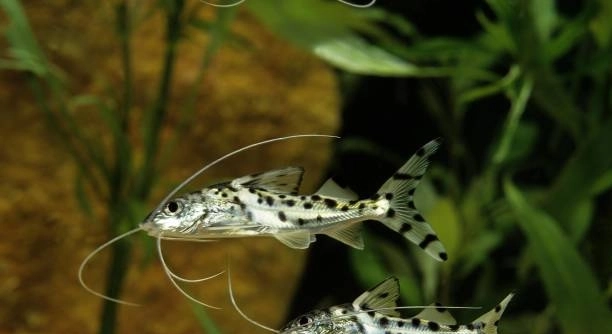
Pictus catfish are popular freshwater fish known for their active behavior and striking appearance. Choosing the right substrate for their tank is important to keep them healthy and comfortable. The right base helps maintain water quality and supports their natural habits.
The best substrates for pictus catfish include smooth sand, fine gravel, and aquarium-safe soil. These materials prevent injury to their delicate barbels and support natural foraging behavior. Avoid sharp or rough substrates that can harm the fish or disrupt water parameters.
Selecting the right substrate creates a better environment for your catfish. The following information highlights options that suit their needs well.
Why Substrate Choice Matters for Pictus Catfish
The substrate in a pictus catfish tank does more than just cover the bottom. It affects the fish’s comfort and health by providing a surface for natural behaviors like digging and foraging. A suitable substrate prevents damage to their sensitive barbels, which are essential for exploring and finding food. Rough or sharp materials can cause cuts or infections, leading to stress or illness. Additionally, substrates influence water quality by affecting waste buildup and the growth of beneficial bacteria. Choosing the right substrate helps maintain a balanced environment and reduces the need for frequent cleaning. A soft, fine substrate mimics their natural riverbed habitat, supporting their well-being. It also contributes to the tank’s overall aesthetics, creating a pleasant space for both the fish and the owner. Considering these factors makes it easier to keep pictus catfish healthy and active over time.
A good substrate supports natural behavior, keeps the fish safe, and helps maintain water quality in the tank.
Proper substrate choice can improve the fish’s health and simplify tank maintenance by reducing harmful bacteria and preventing injuries. It also helps create a natural setting that encourages normal activity, which benefits their overall well-being.
Top Substrate Options for Pictus Catfish
Smooth sand is one of the best substrates because it is soft and gentle on the catfish’s barbels. Fine gravel can also work if it is rounded and free of sharp edges. Aquarium-safe soil is another option that supports plant growth and maintains water quality, though it requires some care to prevent cloudiness. Avoid substrates with rough textures or large, sharp rocks. These can cause damage or trap debris, leading to poor water conditions. Some hobbyists prefer bare-bottom tanks, but these do not allow natural digging behavior and may stress the fish. When choosing a substrate, consider the ease of cleaning, the tank’s setup, and the fish’s comfort. It’s important to rinse any new substrate thoroughly before adding it to the tank to avoid dust or contaminants. Balancing these factors helps create a safe and pleasant habitat for pictus catfish.
Sand as a Preferred Substrate
Sand is soft and smooth, making it ideal for pictus catfish. It prevents injury to their barbels and allows natural digging behavior without causing stress or harm.
Fine sand mimics the natural riverbed of pictus catfish, providing a comfortable surface for them to explore and forage. It does not trap debris easily, which helps keep the water cleaner. Sand also supports plant roots if you include live plants in the tank. One downside is that sand can compact over time, so regular stirring or gentle cleaning is necessary to prevent harmful gas buildup. Choosing a fine, natural-colored sand creates a peaceful, natural environment for your catfish to thrive.
Cleaning sand can be tricky because waste can settle on top, but regular vacuuming keeps the substrate healthy. It is important to avoid sharp or coarse sands that might hurt the fish’s sensitive barbels.
Gravel Substrates and Their Impact
Gravel works well if it has rounded edges and is not too large. It supports good water flow and prevents waste buildup between particles.
Using gravel allows water to flow through the substrate, helping beneficial bacteria grow and improving filtration. The size and texture matter because sharp or rough gravel can injure barbels. Rounded gravel of about 2-3 millimeters is best to avoid harm. Gravel also provides stability for decorations and plants. However, it can trap debris more than sand, so careful cleaning is necessary to prevent water quality problems. Selecting aquarium-safe gravel ensures no chemicals or dust harm your fish. The color of gravel can affect tank lighting, but natural tones usually create the best environment for pictus catfish.
Aquarium Soil Benefits
Aquarium soil provides nutrients that support live plants and helps maintain stable water parameters. It is softer than gravel and sand, which is gentle on pictus catfish barbels.
This substrate enhances the tank’s natural look and encourages beneficial bacteria growth, improving overall water quality.
Avoid Sharp and Coarse Substrates
Sharp or coarse substrates can injure the delicate barbels of pictus catfish. Such damage can lead to infections and stress, reducing their lifespan. It is best to avoid any substrate with rough or jagged edges in their tank.
Bare-Bottom Tanks
Bare-bottom tanks are easier to clean and reduce waste buildup. However, they do not allow for natural digging or foraging behaviors, which can cause stress in pictus catfish.
Rinsing New Substrate
Always rinse new substrates thoroughly before adding them to the tank to remove dust and contaminants. This step prevents water cloudiness and keeps the environment healthy for the fish.
FAQ
What type of substrate is safest for pictus catfish?
The safest substrates are fine sand and smooth, rounded gravel. These materials prevent injury to their sensitive barbels and allow natural digging without causing cuts or stress. Avoid anything sharp or coarse, as it can damage the fish and lead to infections.
Can I use regular aquarium gravel for pictus catfish?
Regular gravel can work if it is small, smooth, and rounded. Gravel that is too large or sharp can harm the fish’s barbels. Always choose aquarium-safe gravel without harmful chemicals, and rinse it well before adding it to the tank.
Is sand better than gravel for pictus catfish?
Sand is often preferred because it is softer and mimics the natural riverbeds where pictus catfish live. It allows for natural behavior like digging and reduces the risk of injury. Gravel can be used if it is rounded and fine, but it may trap more debris and require more cleaning.
How often should I clean the substrate in a pictus catfish tank?
Cleaning depends on the substrate type and tank conditions. For sand, regular gentle stirring or vacuuming prevents compaction and removes waste. Gravel requires thorough vacuuming to remove debris caught between stones. Clean at least once every two weeks or as needed to maintain water quality.
Can live plants grow well in substrates suitable for pictus catfish?
Yes, substrates like aquarium soil and fine sand support live plants well. Aquarium soil provides nutrients and promotes healthy root growth. Sand can also work if plants are properly anchored. Gravel can support plants but may require root tabs or fertilizers.
Is a bare-bottom tank a good choice for pictus catfish?
Bare-bottom tanks are easy to clean and reduce waste buildup. However, they do not allow for natural digging and foraging, which can cause stress for pictus catfish. Most hobbyists recommend a soft substrate to encourage natural behaviors.
How do I prepare new substrate for my pictus catfish tank?
Always rinse new substrate thoroughly before adding it to the tank to remove dust and debris. This prevents water cloudiness and maintains a healthy environment. For soil or sand, soaking or gentle washing may be necessary to reduce fine particles.
Can substrate affect water quality in a pictus catfish tank?
Yes, substrate plays a role in water quality by supporting beneficial bacteria that break down waste. Some substrates, like aquarium soil, can also buffer pH and add nutrients. Poor substrates can trap debris and cause water issues if not cleaned regularly.
What substrate color is best for pictus catfish?
Natural tones like brown, beige, or gray work best because they mimic the catfish’s natural habitat and reduce stress. Bright or unnatural colors can sometimes cause stress or affect tank lighting, but this varies depending on the fish.
Are there any substrates to avoid for pictus catfish?
Avoid sharp, coarse gravel, crushed coral, or substrates with added chemicals or dyes. These can harm the fish’s barbels, affect water chemistry, or introduce toxins. Always choose substrates labeled as aquarium-safe.
How do pictus catfish interact with substrate?
Pictus catfish use their barbels to explore the substrate and search for food. They often dig or sift through the substrate gently. A soft, fine substrate supports these behaviors, helping the fish feel secure and comfortable.
Can substrate choice affect the health of my pictus catfish?
Yes, the right substrate reduces the risk of injuries and infections. It also supports natural behaviors that keep the fish active and healthy. Poor substrate choices can lead to stress, illness, and water quality problems, impacting the fish’s lifespan.
Choosing the right substrate for pictus catfish is an important step in creating a healthy and comfortable aquarium environment. The substrate affects not only the fish’s well-being but also the overall tank maintenance and water quality. Soft substrates like fine sand or smooth gravel protect the catfish’s delicate barbels from injury and support their natural behaviors such as digging and foraging. This helps reduce stress and promotes a more active and happy fish. Hard or sharp substrates can cause damage and lead to infections, so they should always be avoided to keep your catfish safe.
Beyond fish health, substrate choice plays a key role in maintaining good water conditions. Some substrates, like aquarium soil, help stabilize pH levels and provide nutrients for live plants, which in turn improve water quality. Others, like sand and gravel, allow beneficial bacteria to grow, which aids in breaking down waste and preventing harmful buildup. However, each substrate requires its own care routine. Sand may need regular gentle stirring to avoid compaction, while gravel demands thorough vacuuming to remove trapped debris. Proper cleaning and rinsing of new substrates before adding them to the tank is also necessary to prevent cloudiness and contamination.
Ultimately, the right substrate choice balances the needs of your pictus catfish with the practical aspects of aquarium care. Soft, fine materials that mimic their natural riverbed habitat offer comfort and safety, encouraging natural behavior. At the same time, a substrate that supports beneficial bacteria and live plants helps maintain a stable and healthy tank environment. Keeping these factors in mind will make it easier to provide your pictus catfish with a well-suited home where they can thrive and remain healthy for years to come.

Hello,
If you enjoy the content that we create, please consider saying a "Thank You!" by leaving a tip.
Every little bit helps us continue crafting quality advice that supports the health, happiness, and well-being of pets around the world, for pets of all shapes, sizes, and species.
We really appreciate the kindness and support that you show us!