
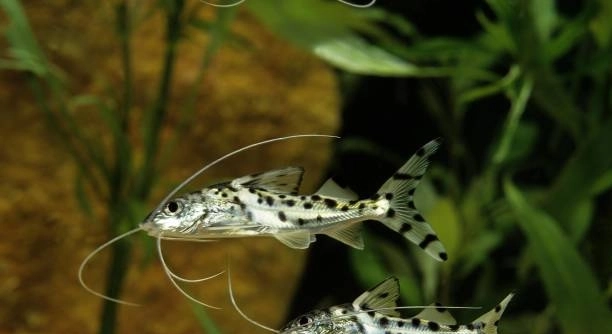
Is your Pictus catfish breathing heavily and acting differently than usual? This common aquarium fish can show signs of stress or illness through its breathing patterns. Understanding these changes helps you keep your fish healthy and comfortable in its environment.
Heavy breathing in Pictus catfish often indicates poor water quality, low oxygen levels, or stress. These conditions affect their gill function, leading to rapid or labored breathing. Identifying and correcting the environment is crucial for the fish’s well-being and survival.
Recognizing the causes behind heavy breathing can protect your fish from harm. Proper care and maintenance ensure your Pictus catfish thrives in your aquarium.
Common Causes of Heavy Breathing in Pictus Catfish
Heavy breathing in Pictus catfish is usually a sign that something is wrong in their environment. The most frequent cause is poor water quality. High levels of ammonia, nitrites, or nitrates can irritate the gills and make it hard for the fish to breathe properly. Another common reason is low oxygen levels in the tank, which can happen if the water is stagnant or overcrowded. Stress also plays a big role. Changes in temperature, aggressive tank mates, or sudden movements near the aquarium can cause the fish to breathe heavily. It is important to regularly test the water and make sure the tank is well-aerated. Providing hiding spots can also help reduce stress, making the catfish feel safer and breathe normally again.
Proper water care and stress management are essential to prevent breathing problems in Pictus catfish. Keeping these factors in check supports their health.
Heavy breathing is often an early sign that your fish needs attention. Watching for other symptoms like lethargy or loss of appetite can help catch problems before they worsen.
How to Improve Oxygen Levels and Reduce Stress
Improving oxygen levels in the tank can help your Pictus catfish breathe more easily. Using an air pump or adding live plants helps increase oxygen naturally. Regular water changes are also important to keep the environment clean. Avoid overfeeding, as leftover food can pollute the water. Reducing noise and sudden movements around the aquarium can lower stress. Make sure the tank is not overcrowded by limiting the number of fish. Providing places to hide with decorations or plants gives your catfish a sense of security. These steps make a big difference in keeping your fish comfortable and healthy. Monitoring your fish regularly allows you to adjust care and maintain a stable environment.
Signs of Illness in Pictus Catfish
Heavy breathing can be a symptom of illness. Other signs include clamped fins, unusual swimming patterns, and loss of appetite. These symptoms together suggest your fish may be fighting an infection or parasite.
If your Pictus catfish shows heavy breathing along with lethargy or visible spots, it might have a bacterial or fungal infection. Parasites can also cause respiratory issues by damaging gill tissue. These health problems require prompt attention. Testing water quality is the first step, as poor conditions often worsen illnesses. If water parameters are fine, medication designed for aquarium fish may be necessary. Always follow dosing instructions carefully and isolate the sick fish to prevent spreading disease to other tank mates.
Observing your catfish daily helps catch health issues early. Prompt action increases the chance of recovery and keeps your tank balanced and healthy.
Preventive Care for Healthy Breathing
Maintaining clean water is the most effective way to prevent breathing problems in your Pictus catfish. Regular water changes and monitoring parameters like pH, ammonia, and nitrites keep the environment stable and safe.
Proper filtration and aeration also play a key role. Filters remove waste that can affect water quality, while aerators increase oxygen levels. Avoid overcrowding to reduce stress and competition for oxygen. Feeding a balanced diet supports your fish’s immune system, helping it resist illness. Keeping a consistent light cycle and stable temperature prevents unnecessary stress. Taking these preventive steps ensures your catfish can breathe comfortably and stay healthy long-term.
Water Temperature and Its Effect
Water temperature directly affects how your Pictus catfish breathes. Warmer water holds less oxygen, making it harder for the fish to get what it needs.
Keeping the tank temperature stable, ideally between 72°F and 78°F, helps maintain proper oxygen levels and reduces stress on your catfish.
Tank Size and Fish Load
A tank that is too small or overcrowded can cause oxygen depletion. More fish means higher oxygen demand, which can lead to heavy breathing. Adequate space allows your Pictus catfish to swim freely and reduces competition for oxygen.
Signs of Oxygen Deficiency
Rapid or gasping breaths near the surface often indicate low oxygen in the tank. These are clear signs that the environment needs adjustment for your fish’s health.
Using Aeration Devices
Aeration devices like air stones or pumps improve oxygen circulation in the water. They are a simple solution to help your catfish breathe more easily and stay comfortable.
Why is my Pictus catfish breathing heavily but otherwise acting normal?
Heavy breathing alone may indicate mild stress or low oxygen levels without other visible symptoms. Changes in water quality, temperature fluctuations, or minor tank disturbances can cause temporary heavy breathing. Monitor water parameters closely and ensure proper aeration. Often, small environmental adjustments resolve the issue before other symptoms appear.
Can heavy breathing be caused by poor water quality?
Yes. Poor water quality, including high ammonia, nitrite, or nitrate levels, irritates the gills, making breathing difficult. Regular testing and maintaining clean water through frequent changes and proper filtration prevent toxic buildup. Addressing water quality issues promptly helps your fish breathe normally again.
How often should I test the water in my tank?
Testing should occur weekly for ammonia, nitrites, nitrates, and pH. More frequent checks are advised if you notice behavioral changes like heavy breathing. Keeping a log of water parameters helps track trends and catch problems early.
Is heavy breathing always a sign of illness?
Not always. Heavy breathing can result from environmental factors such as low oxygen or stress. However, if it persists with other symptoms like lethargy, clamped fins, or loss of appetite, illness may be involved. Early intervention improves recovery chances.
Can temperature changes cause breathing problems in Pictus catfish?
Yes. Sudden or extreme temperature shifts reduce dissolved oxygen and stress the fish. Maintaining stable temperatures within 72°F to 78°F is essential. Use a reliable heater and thermometer to avoid fluctuations.
How can I increase oxygen levels in my aquarium?
Improving aeration with air stones, pumps, or adding live plants enhances oxygen circulation. Regular water changes and avoiding overcrowding also help maintain oxygen balance. Ensuring surface agitation improves gas exchange between air and water.
Should I isolate a Pictus catfish that is breathing heavily?
Isolation depends on the cause. If heavy breathing accompanies illness symptoms, separating the fish can prevent spreading disease and allow targeted treatment. For environmental stress, improving tank conditions without isolation is usually sufficient.
Can overfeeding affect my fish’s breathing?
Yes. Excess food decays and pollutes water, reducing oxygen and increasing toxins. Feed small amounts and remove uneaten food promptly. Proper feeding habits maintain water quality and prevent respiratory stress.
What role does tank size play in fish breathing?
A small or overcrowded tank limits oxygen availability and increases waste buildup. Pictus catfish require sufficient space—ideally at least 30 gallons—to thrive. Adequate tank size reduces stress and supports healthy breathing.
Are there medications for breathing problems?
Medications can treat infections or parasites causing respiratory issues but will not fix environmental causes. Always diagnose the root problem before treatment. Use aquarium-safe products and follow instructions carefully.
How can I tell if my Pictus catfish is stressed?
Signs of stress include heavy breathing, hiding, loss of appetite, and unusual swimming. Stress often results from poor water conditions, aggressive tank mates, or sudden changes. Addressing these factors helps reduce breathing problems.
What maintenance routine supports healthy breathing?
Regular water testing, weekly changes, proper filtration, temperature control, and balanced feeding create a stable environment. Consistent care prevents conditions that cause heavy breathing and other health issues.
Does adding live plants help with breathing issues?
Yes. Live plants produce oxygen during photosynthesis and help absorb waste products. They contribute to a healthier, more balanced tank, which supports better respiration for your fish.
Can heavy breathing be due to gill parasites?
Gill parasites can cause irritation and damage, leading to labored breathing. Signs include scratching against surfaces and visible gill inflammation. Treatment requires specific medication, so early detection is important.
What should I do if my Pictus catfish is breathing heavily at the surface?
Breathing at the surface indicates oxygen deficiency. Increase aeration, perform water changes, and reduce tank population if needed. Surface breathing signals urgent attention to water quality and oxygen levels.
Heavy breathing in Pictus catfish is a common sign that something in their environment needs attention. It is often related to water quality, oxygen levels, or stress factors. Keeping the tank clean, maintaining proper temperature, and ensuring good aeration are important steps to prevent breathing difficulties. Regular monitoring of water parameters can help catch potential problems early, before they cause serious harm. By addressing these basic needs, you can provide a healthy and comfortable environment for your catfish.
It is also important to observe your fish closely. Changes in behavior, such as heavy breathing combined with lethargy, loss of appetite, or unusual swimming, may indicate illness or parasites. In such cases, water care alone might not be enough, and medication or isolation may be required. Understanding your fish’s normal behavior helps you spot problems sooner and take appropriate action. Providing a stable and stress-free environment supports their immune system and overall health.
Taking care of a Pictus catfish means balancing many factors, including water quality, tank size, temperature, and diet. Consistency is key to maintaining their well-being. Small changes in their habitat can have a big impact on their breathing and health. With proper care and attention, your Pictus catfish can live a long and healthy life, showing off their active and playful nature. Keeping these fish comfortable starts with knowing what affects their breathing and how to respond when signs of distress appear.

Hello,
If you enjoy the content that we create, please consider saying a "Thank You!" by leaving a tip.
Every little bit helps us continue crafting quality advice that supports the health, happiness, and well-being of pets around the world, for pets of all shapes, sizes, and species.
We really appreciate the kindness and support that you show us!