
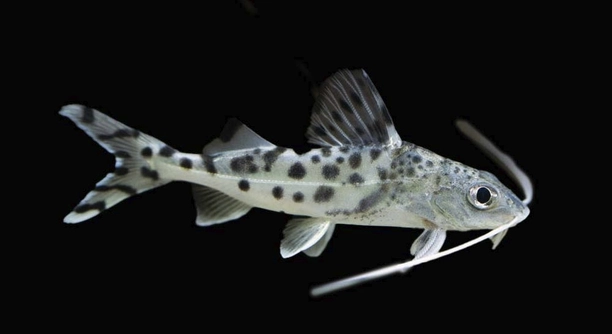
Many people who keep pictus catfish often pay close attention to their tank’s water conditions and filtration. One key factor is the amount of electrical current running through their aquarium filters. Understanding the right current is important to keep pictus healthy and comfortable in their environment.
The acceptable electrical current for pictus tanks depends on the filter type and tank size, but generally, a low to moderate current is best. Too much current can stress pictus, as they prefer gentle water flow that mimics their natural habitat. Careful control of current helps maintain fish well-being.
Knowing the ideal current level can improve your pictus’s environment and prevent common problems caused by strong water flow. This article will guide you through the important details.
Understanding Pictus Catfish and Their Environment
Pictus catfish are known for their active swimming and sensitivity to water conditions. They come from slow-moving rivers and streams where the current is gentle. Because of this, they do not thrive in tanks with strong water flow. Too much current can cause stress and make it hard for them to swim naturally. When setting up an aquarium, it is important to choose a filter that creates a mild to moderate flow. This helps mimic their natural environment and keeps them comfortable. Monitoring the water current ensures the fish won’t waste energy fighting against strong currents, which could lead to health issues over time. Keeping the tank environment stable and calm promotes the pictus’s well-being.
The water current in a pictus tank should never be so strong that the fish struggle to swim or hide. A gentle flow is best.
Maintaining the right balance of water current benefits not only pictus catfish but also other tank inhabitants. When the flow is too strong, stress levels increase, and the fish may hide more often or lose appetite. A tank with a moderate current encourages natural behavior like exploration and active swimming. You can adjust the flow by choosing appropriate filters or adding flow dampeners. Observing how your pictus reacts to the current will guide adjustments to keep them healthy and happy. This approach helps create a peaceful aquarium environment where fish feel safe and secure.
How to Measure and Control Current in Your Tank
Measuring the current in your aquarium can be done with simple tools like flow meters or by observing water movement patterns.
Controlling the flow involves selecting the right filter type and adjusting its output. Many filters come with flow control valves or settings to reduce water speed. For pictus tanks, sponge filters or canister filters with adjustable flow are good options. Placing filter outlets to direct water gently rather than forcefully helps. Avoid pointing strong jets directly at the fish’s swimming areas. Using decorations or plants can also break up strong currents and create calm zones. Regularly checking the water movement ensures it stays within a comfortable range. Managing these factors supports the health and comfort of your pictus catfish and the tank’s overall ecosystem.
Signs Your Pictus Is Experiencing Too Much Current
If your pictus catfish constantly hides or struggles to swim, it might be due to strong water flow. They may also show signs of stress such as clamped fins or loss of appetite. These behaviors signal that the current is likely too strong.
Strong current can tire out your pictus quickly. They are built for gentle water movement, so if the flow is too harsh, they expend extra energy just to stay in place. This constant effort can lead to weakened immune systems and make them more vulnerable to disease. Observing your fish’s behavior closely can help catch these signs early before any serious problems develop. Making adjustments to reduce water speed will improve their comfort and health.
If you notice your pictus hiding more than usual or avoiding open spaces, try redirecting filter output or lowering flow rates. Small changes in current can make a big difference in their behavior. Providing calm areas with plants or decorations offers relief from strong currents, helping them feel secure. This creates a more natural, balanced environment that supports their well-being over time.
Adjusting Aquarium Equipment for Optimal Current
Adjusting the flow on your filter is often the simplest way to control current strength. Many filters have built-in controls that let you fine-tune water speed without extra tools. Positioning the filter’s outlet towards the tank wall instead of directly into the open water softens the flow and reduces turbulence. This helps create gentle water circulation without forcing your fish to fight strong currents. Adding sponges or spray bars to filter outputs also breaks up fast-moving water and spreads it evenly.
Using plants, rocks, or driftwood to break up current patterns creates calm zones where pictus can rest and swim comfortably. These decorations act as barriers that slow down water movement in parts of the tank. Regular maintenance is important because clogged filters or blocked intakes can change water flow unexpectedly. Check equipment often to make sure it is working properly and flow remains consistent. A well-balanced setup ensures your pictus catfish live in a suitable environment that supports their natural behavior.
Common Mistakes When Managing Current
A frequent mistake is setting the filter flow too high, assuming more circulation is always better. Strong currents can harm pictus by causing stress and fatigue.
Another issue is placing filter outlets directly in open swimming areas, creating constant strong water movement that fish avoid.
Ideal Tank Setup for Pictus Current
A good tank setup uses filters with adjustable flow and positions outlets near tank walls or behind decorations to soften water movement. Adding plants and driftwood helps break currents into calmer sections. This setup mimics the natural environment, reducing stress and allowing pictus to swim freely without fighting strong flows. Ensuring there are quiet zones in the tank supports their resting behavior and overall health. Regular observation lets you adjust flow and decorations to maintain the best conditions for your fish.
Monitoring Your Tank’s Current Regularly
Regularly check your tank’s current to ensure it remains at a gentle level suitable for pictus catfish.
FAQ
How much current is safe for pictus catfish?
Pictus catfish prefer low to moderate water flow that mimics their natural habitats. The current should be gentle enough for them to swim comfortably without struggling or hiding. Ideally, the water velocity near them should be slow to moderate, avoiding strong jets or fast currents. This helps reduce stress and prevents exhaustion.
Can strong current harm my pictus?
Yes, strong currents can tire pictus catfish quickly. Since they are adapted to slow-moving waters, excessive flow forces them to use extra energy just to hold their position. Over time, this can weaken their immune system, increase stress levels, and make them prone to illness. Observing their behavior for signs of distress is important to avoid harm.
How do I reduce water current in my tank?
Most filters have flow control valves or settings to lower water output. You can also redirect the filter’s outlet towards a tank wall or behind decorations to soften the flow. Adding plants, rocks, or driftwood can break up and slow down water movement. These simple steps help create calmer areas for your pictus.
Is a sponge filter good for pictus tanks?
Sponge filters are excellent for pictus tanks because they provide gentle water flow while offering good biological filtration. They don’t create strong currents, so pictus feel more comfortable. Sponge filters are also easy to maintain and provide safe hiding spots for smaller fish or fry.
How can I tell if the current is too strong?
Signs of strong current include pictus constantly hiding, clamped fins, difficulty swimming, or loss of appetite. If your fish seems exhausted or spends most time pressed against tank walls, the current may be too high. Adjusting flow and watching for behavioral changes helps maintain a healthy environment.
Will adding plants help with current issues?
Yes, live or artificial plants act as natural flow blockers that reduce strong water movement. They create sheltered areas where pictus can rest away from direct currents. Plants also improve water quality and make the tank feel more like the pictus’s natural environment.
Can strong current affect other fish in the tank?
Strong currents can stress many fish species, not just pictus catfish. Some fish prefer calmer waters and may hide or become aggressive if currents are too strong. Adjusting the flow benefits the entire tank community, promoting healthier, more natural behavior.
How often should I check the current in my tank?
It’s good practice to check the flow regularly, especially after maintenance or filter changes. Even small adjustments in equipment or decorations can affect water movement. Keeping an eye on your pictus and overall tank behavior helps you spot current issues early.
What equipment helps control aquarium current?
Filters with adjustable flow settings, spray bars, and flow diffusers are useful tools. You can also use sponge filters or add flow-reducing attachments. Decorations like rocks, plants, and driftwood help break currents naturally. Combining equipment and tank layout adjustments is the best approach.
Is it better to have low or no current for pictus?
Low current is best because it encourages natural swimming and oxygen circulation without stressing the fish. No current at all can cause stagnant water, reducing oxygen levels and increasing waste buildup. A gentle, consistent flow supports health and keeps the tank clean.
Final thoughts on managing current for pictus catfish focus on balance and observation. These fish come from environments with gentle water flow, so replicating that in your aquarium is important. Too strong a current can stress them and affect their health, while too little flow may reduce oxygen and cleanliness. Finding the right middle ground helps pictus swim comfortably and stay active. It also supports good water quality, which is essential for their well-being.
Adjusting your tank’s equipment is usually the easiest way to control water current. Using filters with adjustable flow or positioning outlets away from open swimming areas reduces strong water movement. Adding decorations like plants and driftwood not only slows the current but also gives pictus places to rest and hide. These simple changes create a calmer environment that suits their natural behavior. Regularly observing your fish and tank conditions helps you keep the current at a level that keeps your pictus healthy and happy.
Remember that each tank setup is unique, so it may take some trial and error to find the best current for your pictus. Pay attention to how your fish behave, including their swimming, feeding, and resting habits. Changes in their behavior can be signs that the water flow needs adjustment. Keeping the flow gentle but steady will make a big difference in your pictus’s comfort and overall health. Taking time to balance current and environment shows care and helps your pictus thrive in their aquarium home.

Hello,
If you enjoy the content that we create, please consider saying a "Thank You!" by leaving a tip.
Every little bit helps us continue crafting quality advice that supports the health, happiness, and well-being of pets around the world, for pets of all shapes, sizes, and species.
We really appreciate the kindness and support that you show us!