
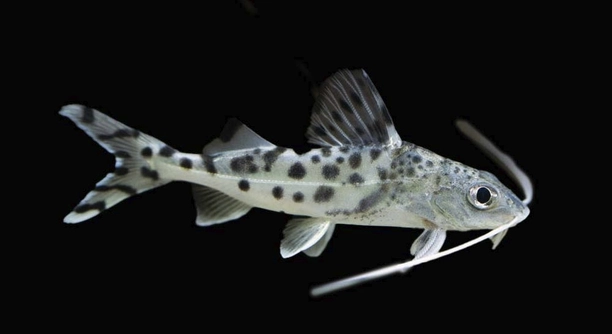
Choosing a healthy pictus catfish from the store is important for any aquarium enthusiast. Knowing what to look for helps ensure your fish will thrive once home. A healthy pictus adds beauty and activity to your tank.
Healthy pictus catfish display clear eyes, smooth scales, and active swimming behavior. Their fins should be intact without tears or discoloration. Avoid fish with clamped fins or visible signs of illness to reduce the risk of disease introduction to your aquarium.
These simple tips will help you make the best choice when selecting a pictus catfish at the store.
Check the Eyes and Skin Condition
Healthy pictus catfish have clear, bright eyes without cloudiness or swelling. Cloudy eyes can indicate illness or poor water conditions in the store. When you look closely, the skin should be smooth and free of white spots, redness, or sores. These signs often point to infections or parasites. A healthy fish’s color is vibrant, not dull or faded. Avoid fish that have patches of missing scales or rough skin texture, as these are signs of stress or injury. Sometimes fish may have a thin layer of mucus, which is normal, but excessive slime can be a warning sign. Spending a few moments to observe these details helps you avoid buying a sick fish that may struggle to recover in your tank.
A clear-eyed, clean-skinned pictus catfish is more likely to adapt quickly and stay healthy in your aquarium.
Taking the time to inspect your pictus carefully can prevent future health problems. Watching the fish swim can also reveal issues—healthy pictus swim actively and don’t hide constantly. Avoid fish that float awkwardly or stay motionless at the bottom. These could be signs of stress or illness. Look for even coloration along the body and fins. Fins should be whole and not torn or clamped close to the body. It’s also helpful to see if the fish responds to movement or feeding activity. Healthy pictus will be curious and move naturally around their environment. Selecting a fish showing these qualities ensures it has the best chance of thriving in your tank.
Observe Swimming Behavior and Activity Level
Pictus catfish are known for their energetic swimming style. Healthy fish will swim freely and explore their surroundings. Avoid fish that are lethargic or constantly hiding. Active movement indicates good health and adaptation to the store environment.
When pictus catfish swim smoothly with their fins spread naturally, it reflects proper muscle tone and balance. Erratic swimming or floating sideways are warning signs.
Swimming patterns give insight into the fish’s wellbeing. Pictus are bottom-dwellers but often swim throughout the tank, especially at feeding times. If the fish remains still for long periods or struggles to maintain balance, it may be sick. Watch how the fish interacts with others; aggressive behavior or hiding too much can signal stress. A healthy pictus will maintain steady, coordinated swimming, showing no signs of distress. Taking note of these behaviors before purchase helps avoid introducing unhealthy fish to your home tank.
Inspect the Fins and Tail
Fins and tails should be fully intact without tears or fraying. Damaged fins can indicate poor handling or disease.
Healthy pictus catfish have fins that are spread naturally and move smoothly as they swim. Torn or clamped fins may suggest stress or infection. The tail should not be ragged or show signs of fin rot. Careful inspection of these areas can reveal hidden health issues that aren’t immediately obvious. Avoid fish with fins that look dull or discolored, as this could be a warning sign.
Damaged fins can also make swimming difficult and leave the fish vulnerable to further infection. Good fin condition means the fish is less likely to struggle once in your tank. This simple check helps ensure your pictus has a better chance of staying healthy over time.
Look for Consistent Breathing
Pictus catfish breathe through their gills, which should move steadily and quietly. Rapid or labored breathing is a sign of stress or poor water quality.
Breathing that is heavy or irregular may indicate illness or oxygen deprivation. It is normal for gill movement to speed up briefly during activity or feeding, but it should not be constant. Watching the fish over a few minutes helps you judge if the breathing is normal. Avoid fish gasping at the surface or showing flared gills, as this suggests a health problem.
Consistent, calm breathing indicates a well-adjusted pictus. Problems with respiration can worsen quickly in a new environment. Ensuring the fish has steady breathing before purchase reduces the risk of early health troubles after bringing it home.
Check for Parasites and External Signs
Look closely for tiny white spots or unusual growths on the fish’s body. These may indicate parasites or infections.
Red streaks or inflamed areas on the skin are also warning signs to avoid.
Evaluate Appetite and Feeding Response
A healthy pictus catfish will eagerly accept food and show interest during feeding times. Lack of appetite may signal illness or stress. Observing feeding behavior in the store helps determine the fish’s overall condition. Fish that refuse food or seem disinterested could have hidden health problems. Good appetite suggests a stronger immune system and better chances of adapting to your tank environment.
Avoid Overcrowded Tanks
Overcrowding increases stress and disease risk for pictus catfish. Choose fish from tanks that are not densely packed with other fish. Crowded tanks often hide health issues and increase competition for food. Selecting fish from a well-maintained, less crowded tank improves their wellbeing and chances for long-term health.
How can I tell if a pictus catfish is healthy when I first see it?
A healthy pictus catfish has clear eyes without cloudiness or swelling. The skin should be smooth and free from spots, sores, or redness. Fins must be intact and spread naturally, not torn or clamped. The fish swims actively and doesn’t hide constantly. Look for steady, calm breathing and a good response during feeding. If the pictus shows these signs, it is likely healthy and ready for your aquarium.
What are common signs of illness to watch for in pictus catfish?
Signs of illness include cloudy eyes, damaged or clamped fins, unusual spots, redness on the skin, and erratic or lethargic swimming. Rapid or labored breathing is also a warning sign. Fish that float awkwardly, stay motionless for long periods, or refuse to eat may be sick. Avoid fish displaying any of these symptoms to prevent introducing illness into your tank.
Is it important to observe pictus catfish feeding behavior in the store?
Yes, feeding behavior is a good indicator of health. Healthy pictus catfish show interest in food and eat eagerly. A fish that ignores food or seems disinterested may be stressed or ill. Observing feeding habits helps you choose fish that are likely to adapt well to your tank environment and maintain a strong immune system.
Why should I avoid buying pictus from overcrowded tanks?
Overcrowded tanks increase stress and the chance of disease. Fish in these environments often have weakened immune systems and may hide health problems. Choosing pictus from less crowded tanks reduces stress on the fish and improves their overall health and survival chances.
Can damaged fins heal after buying a pictus catfish?
Minor fin damage can sometimes heal with proper care, clean water, and a stress-free environment. However, severe fin rot or torn fins are harder to recover from and can lead to further infections. It’s best to avoid fish with obvious fin damage to reduce risk.
How long should I observe a pictus before deciding to buy?
Spend at least a few minutes watching the fish’s swimming, breathing, and interaction with others. Look for signs of activity and alertness, as well as steady breathing and intact fins. Taking time to observe helps catch subtle signs of stress or illness that might not be obvious at first glance.
Are there specific water conditions I should check in the store tank?
While you may not be able to test water directly, observe the tank’s cleanliness and water clarity. Cloudy water or strong odors can stress fish and cause health problems. Well-maintained tanks usually indicate better water conditions and healthier fish.
What should I do after bringing a pictus catfish home?
Quarantine your new pictus in a separate tank for at least two weeks to monitor for illness. Maintain stable water parameters and provide a calm environment. Observe feeding behavior and appearance closely. Quarantine helps prevent spreading any hidden diseases to your main tank.
How often should I check on my pictus catfish’s health?
Regular observation is important. Watch for changes in swimming, appetite, and appearance. Quick response to early signs of illness improves chances of recovery. Daily checks during feeding times are a good routine.
Can stress affect the health of my pictus catfish?
Yes, stress lowers the fish’s immune system, making it more vulnerable to disease. Stress can come from poor water quality, overcrowding, or sudden changes in environment. Keeping stable conditions and avoiding overcrowding reduces stress and helps maintain good health.
Selecting a healthy pictus catfish at the store is an important step in creating a thriving aquarium. Taking time to carefully observe the fish before purchase helps ensure you bring home a strong, well-adjusted addition to your tank. Checking for clear eyes, smooth skin, intact fins, and active swimming behavior provides clear clues about the fish’s health. It is also useful to watch how the pictus responds to feeding and breathes, as these are good indicators of overall wellbeing. Avoiding fish from overcrowded tanks or those showing any signs of illness reduces the chance of future problems.
Proper observation before buying is only part of keeping your pictus catfish healthy. After bringing the fish home, maintaining clean water, stable conditions, and a suitable environment is key to its long-term health. Quarantining new fish before adding them to the main tank helps prevent the spread of diseases. Regularly watching for changes in behavior or appearance allows early detection of any health issues. A healthy pictus catfish is active, eats well, and shows steady breathing. Providing good care and attention will help your fish adapt smoothly to their new home.
Choosing the right pictus catfish and offering consistent care can make a big difference in your aquarium’s success. While it may take some effort to spot the signs of a healthy fish, the benefits are worth it. Healthy fish are more likely to thrive, swim actively, and add life to your tank for many years. Taking these simple steps can save you from frustration and extra costs down the line. Remember, investing time in the selection process and maintaining good care routines supports the wellbeing of your pictus catfish and the entire aquarium environment.

Hello,
If you enjoy the content that we create, please consider saying a "Thank You!" by leaving a tip.
Every little bit helps us continue crafting quality advice that supports the health, happiness, and well-being of pets around the world, for pets of all shapes, sizes, and species.
We really appreciate the kindness and support that you show us!