
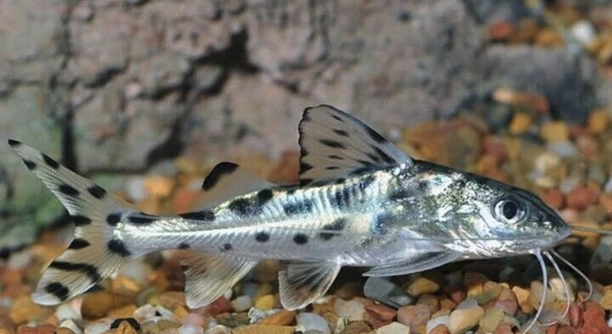
Keeping a Pictus catfish tank properly maintained is important for the health of your fish. Many aquarium owners wonder if placing a lid on the tank affects the well-being of their Pictus catfish. This article explores some important points to consider about lids on Pictus tanks.
Keeping a lid on a Pictus tank is generally recommended to prevent fish from jumping out, reduce evaporation, and help maintain stable water conditions. However, adequate ventilation must be ensured to avoid low oxygen levels, as Pictus catfish require well-oxygenated water for optimal health.
Understanding the role of a tank lid can help you create a better environment for your Pictus catfish. Let’s look at why lids matter and what to keep in mind for your tank setup.
Why Pictus Catfish Need a Lid
Pictus catfish are known for being active jumpers. Without a lid, they might leap out of the tank, which can lead to injury or death. A lid helps keep them safely inside the aquarium. It also reduces water evaporation, so the tank stays more stable in temperature and water level. However, Pictus catfish require plenty of oxygen in the water. If the lid fits too tightly without proper ventilation, oxygen levels can drop, stressing the fish. That’s why it’s important to have a lid with enough space for air exchange or small openings to allow fresh air in. While the lid protects the fish and keeps the tank conditions steady, good water circulation and aeration are still necessary. Using an air stone or filter that moves water well will help maintain healthy oxygen levels under the lid. Balancing protection and ventilation is key for Pictus catfish.
A tank lid prevents jumping and evaporation but needs ventilation to avoid low oxygen. Proper airflow keeps fish healthy.
Lids with built-in vents or small gaps can be a good solution. You can also remove the lid occasionally for short periods to refresh air. Monitoring your fish’s behavior is important — if they gasp at the surface, oxygen may be low. In those cases, increasing aeration or adjusting the lid can help. A secure, well-ventilated lid is usually best for Pictus catfish tanks.
Choosing the Right Lid for Your Pictus Tank
The material and fit of your tank lid matter. Glass or acrylic lids are common because they are sturdy and fit tightly. This stops fish from escaping but can reduce airflow if not vented. Plastic mesh lids allow air to pass through but might not be as secure. A balance between security and ventilation is necessary.
When selecting a lid, check that it covers the entire tank and fits snugly. The lid should be easy to remove for cleaning and feeding. You can modify lids by cutting small holes or slots to improve airflow without letting fish jump out. Some aquarium hobbyists also use screen lids combined with a partial glass cover for this reason. Make sure any modifications do not create sharp edges that could harm your fish.
Lids should work with your tank’s filtration system. Filters that agitate the water surface help oxygenate the tank, so they work well with closed lids. Air stones or pumps can add extra oxygen if needed. Regular maintenance and observation will tell you if the lid setup is right. Adjustments can be made to find the best fit for your Pictus catfish’s needs.
Common Problems Without a Lid
Without a lid, Pictus catfish can jump out of the tank, which risks injury or death. Evaporation also speeds up, causing water levels to drop quickly and affecting temperature stability. These issues can stress your fish and harm the tank environment.
Jumping is a natural behavior for Pictus catfish, especially if they feel threatened or if water conditions are not ideal. A lid acts as a physical barrier to prevent escape. Without one, you may find your fish missing or injured. Water evaporation can lower the tank’s water level, requiring frequent refills and careful monitoring. Rapid changes in water temperature can also upset the fish’s comfort and health. Keeping the water steady with a lid helps maintain a safer, more stable home for your catfish.
In some cases, a tank without a lid can expose the water surface to dust, pet hair, or other debris, which affects water quality. This can lead to more frequent cleaning and potential health problems for your fish. The lid helps keep contaminants out, making maintenance easier and the tank healthier overall.
Maintaining Proper Oxygen Levels Under a Lid
Pictus catfish need well-oxygenated water to thrive, so it’s important to maintain good airflow under the lid. Using air stones, filters, or other aeration devices helps increase oxygen levels, which is especially necessary when the tank is covered.
If the lid fits too tightly, oxygen exchange with the outside air may be limited. This can cause the fish to show signs of stress, such as gasping near the surface. Adding an air stone or increasing water surface agitation with a filter helps oxygenate the tank. Regularly checking water parameters, especially oxygen levels and temperature, ensures your tank stays balanced.
Adjusting the lid design by adding vents or small gaps can improve airflow without risking fish escape. Some tank owners find that lifting the lid for short periods daily or using lids with built-in ventilation slots can be effective. Combining these steps keeps oxygen levels sufficient, allowing your Pictus catfish to stay healthy while benefiting from the safety and stability a lid provides.
Lid Maintenance Tips
Regularly clean the tank lid to prevent buildup of dust, algae, or water stains. A clean lid improves light penetration and keeps the tank looking fresh. Make sure to use gentle cleaners safe for aquarium use to avoid harming your fish.
Check the lid for any damage or sharp edges during cleaning. Replace or repair lids that no longer fit properly or have cracks. A secure, intact lid is important for both fish safety and tank stability.
Feeding Considerations With a Lid
Feeding your Pictus catfish is easier with a lid that can be partially opened or has a feeding hatch. This prevents water from spilling while giving you access to feed without stress. It also keeps fish from jumping during feeding time.
Lid and Lighting Setup
The lid can affect how aquarium lights work. Choose lids that allow enough light to pass through for your plants and fish. Some lids have built-in light fixtures or openings designed for lighting, which helps maintain a balanced environment.
FAQ
Should I always keep a lid on my Pictus tank?
It’s best to keep a lid on the tank most of the time. Pictus catfish are active jumpers and can easily escape if the tank is open. The lid also helps keep water from evaporating too quickly. However, make sure the lid allows enough air circulation to keep oxygen levels healthy.
What type of lid works best for a Pictus tank?
A lid that fits securely but has ventilation slots or small gaps works well. Glass or acrylic lids are good for keeping fish inside and maintaining stable conditions. If the lid fits too tightly without ventilation, you might need to add an air stone or open the lid briefly to let fresh air in.
Can I use a mesh lid for Pictus catfish?
Yes, a fine mesh lid can be effective because it allows excellent airflow while preventing the fish from jumping out. Just be sure the mesh is small enough that your fish cannot slip through, and check it regularly for damage or wear.
What happens if I don’t ventilate the tank properly?
Poor ventilation under a closed lid can reduce oxygen levels in the tank. This might cause your Pictus catfish to become stressed or gasp at the water surface. You may also notice sluggish behavior or loss of appetite. Improving aeration and ventilation can fix this issue.
How can I improve oxygen levels if the lid is tightly sealed?
Adding an air stone or bubbler helps increase oxygen by moving water and exposing it to air. A filter that agitates the surface is also useful. You can open the lid for short periods to refresh the air, but never leave it open for long since fish might jump out.
Will a lid affect the tank temperature?
A lid helps maintain a stable temperature by reducing heat loss and evaporation. Without a lid, water temperature can fluctuate more, which stresses the fish. During warmer months, watch for overheating under the lid and provide adequate ventilation or cooling if needed.
Do I need to clean the lid regularly?
Yes, cleaning the lid helps keep the tank clear of dust, algae, and water stains that block light. Use mild, aquarium-safe cleaners to avoid harming your fish. Regular cleaning also helps you inspect the lid for damage or sharp edges that could hurt your catfish.
Can I feed my Pictus catfish with the lid on?
Most lids have openings or can be partially lifted for feeding. This keeps water from splashing and prevents fish from jumping during feeding time. If your lid does not have a hatch, you can carefully open a corner while feeding and close it afterward.
Is it okay to remove the lid at night?
It’s not recommended to remove the lid overnight because the fish may jump out while you’re not watching. Also, evaporation can cause water loss and temperature changes. If you want better oxygenation, consider adding aeration equipment instead of removing the lid.
How do I know if my Pictus catfish are stressed by the lid?
Signs of stress include gasping at the water surface, hiding more than usual, or decreased activity. If you notice these signs, check ventilation and water quality. Adjust the lid to allow better airflow or increase aeration to help your fish feel more comfortable.
Can I use a lid with built-in lighting?
Yes, many lids come with built-in lighting fixtures designed for aquariums. These lids save space and help keep light evenly distributed. Just make sure the lighting does not heat the tank excessively, and that the lid still allows for enough air exchange.
What should I do if my fish keep trying to jump despite having a lid?
If your Pictus catfish keep jumping, check water quality, temperature, and tank mates. Stress or poor conditions often cause jumping. Make sure the lid is secure with no gaps. Providing hiding spots and a calm environment can reduce jumping behavior.
Are there any alternatives to using a lid?
Some people use tall tanks or add plants and decorations to discourage jumping, but these methods don’t replace a secure lid. Without a lid, there is a higher risk of fish escaping and water evaporation. A lid remains the safest choice for Pictus catfish tanks.
How often should I check the lid and tank setup?
Check the lid weekly for fit, damage, and cleanliness. Also, monitor water parameters regularly to ensure oxygen levels and temperature are stable. Early detection of problems with the lid or tank conditions helps prevent stress or injury to your fish.
Is it okay to keep the lid open during water changes?
Yes, opening the lid during water changes is common and helps you work more easily. Just be careful not to leave the tank open longer than necessary to prevent fish from jumping out. Replace the lid securely once the water change is complete.
What is the best way to modify a lid for better airflow?
Cutting small holes or slots along the edges or top of a solid lid can improve airflow. Use smooth edges or cover sharp parts with tape to protect the fish. Another option is to replace part of the lid with mesh for continuous ventilation.
Keeping a balance between safety, ventilation, and stable conditions will help your Pictus catfish live a healthy, comfortable life.
Keeping a lid on your Pictus catfish tank is an important part of caring for these active and energetic fish. A lid helps prevent the fish from jumping out, which can cause injury or even death. It also slows down water evaporation, helping to keep the tank’s temperature and water level more stable. While it might seem simple, having a lid that fits well and provides good ventilation makes a big difference. A secure lid protects your fish and makes tank maintenance easier. It keeps dust and debris out of the water and helps maintain a clean environment for your catfish.
At the same time, it is important to ensure the tank gets enough fresh air. Pictus catfish need well-oxygenated water to stay healthy and active. If a lid fits too tightly without any ventilation, oxygen levels can drop, which can stress the fish. This can be avoided by using lids that have built-in vents, small gaps, or by adding equipment like air stones or filters that improve water circulation. Opening the lid for short periods or modifying the lid to increase airflow can also help maintain the right balance. Finding the right combination of safety and ventilation is key to keeping your Pictus catfish comfortable.
Taking care of your tank lid involves more than just putting it in place. Regular cleaning prevents buildup of algae, dust, and water stains, which can block light and make the tank look dull. Inspecting the lid for damage or sharp edges protects your fish from harm. When feeding, using a lid with a feeding hatch or opening it carefully helps prevent water spills and keeps your fish safe. Overall, a well-maintained and properly ventilated lid supports a healthier, more stable aquarium. By paying attention to these details, you help create a good home for your Pictus catfish that encourages their natural behavior without risk.

Hello,
If you enjoy the content that we create, please consider saying a "Thank You!" by leaving a tip.
Every little bit helps us continue crafting quality advice that supports the health, happiness, and well-being of pets around the world, for pets of all shapes, sizes, and species.
We really appreciate the kindness and support that you show us!