
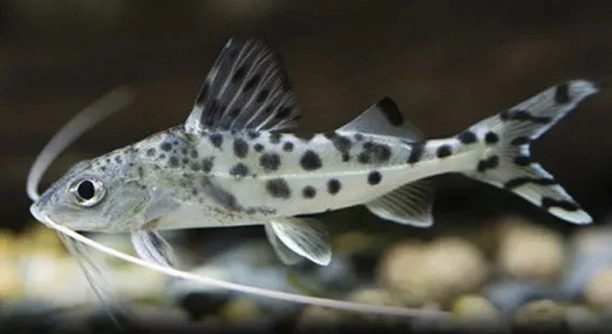
Is your Pictus catfish sometimes seen resting instead of swimming around the tank? Many owners notice moments when these active fish stop moving. It can feel a bit unusual since they are known for being lively swimmers.
It is normal for Pictus catfish to occasionally stop swimming as part of their resting behavior. These fish often pause to conserve energy or explore their environment more slowly. However, prolonged inactivity may signal health or water quality issues.
Understanding when this behavior is normal and when it is a concern can help you care better for your fish. This article will offer helpful insights to keep your Pictus catfish happy and healthy.
Why Pictus Catfish Sometimes Stop Swimming
Pictus catfish are active fish, but they don’t swim constantly. Like many animals, they need to rest. When they stop moving, it’s usually to conserve energy or to watch their surroundings carefully. These pauses are normal and happen often during the day and night. Sometimes, they tuck themselves under decorations or rest near the bottom of the tank. This behavior helps them avoid stress and stay safe. However, if you notice your catfish staying still for a very long time or looking weak, it might mean something is wrong. Changes in water temperature, poor water quality, or illness can cause a fish to stop swimming more than usual. Watching your fish closely will help you spot any problems early. Providing a clean, well-maintained tank and proper food will support their health and encourage natural swimming patterns.
Normal resting periods usually last a few minutes to an hour, depending on the fish’s mood and environment.
A healthy Pictus catfish balances activity and rest. It swims actively at times but also takes breaks to avoid exhaustion. Understanding this balance helps in spotting unusual behavior early, ensuring your fish stays healthy and happy in its tank.
Common Reasons for Extended Inactivity
Extended inactivity can be caused by stress, illness, or poor water conditions.
Stress affects fish in many ways. Loud noises, sudden movements, or overcrowding can make a Pictus catfish stop swimming for longer periods. Illness is another reason. Infections, parasites, or injuries can reduce a fish’s energy. Poor water quality is a major factor that often goes unnoticed. High ammonia, nitrite, or nitrate levels in the tank water are harmful to fish and can cause lethargy. Lack of oxygen in the water can also make your catfish slow down or stop moving. Regular water testing and cleaning are important to maintain a safe environment. When a fish stops swimming for a long time, it’s best to check water parameters and watch for other signs of disease like changes in color or appetite. Addressing these issues early helps your Pictus catfish recover quickly and return to normal activity.
How to Tell If Your Pictus Catfish Is Healthy
A healthy Pictus catfish swims actively but also takes short breaks. It has clear eyes, smooth scales, and no unusual spots or marks. Its appetite is steady, and it responds to feeding times.
Watching your catfish’s movement is important. If it stops swimming occasionally but returns to activity quickly, this is normal. Healthy catfish explore the tank and interact with their environment. If your fish floats awkwardly, sinks without swimming, or lies motionless for long periods, it may be sick. Also, check for rapid gill movement or clamped fins, which indicate stress or illness.
Keep an eye on how your catfish eats. A good appetite usually means the fish is feeling well. Changes in eating habits, such as refusing food or spitting it out, could signal a problem. Regular observation helps catch health issues before they become serious.
Tips for Encouraging Movement in Pictus Catfish
Providing a spacious tank encourages swimming. A minimum of 30 gallons is ideal for a few Pictus catfish.
Proper water conditions are essential. Maintain a temperature between 72°F and 79°F, and keep ammonia and nitrite at zero. Regular water changes help keep the environment stable. Adding plants and hiding spots creates a comfortable space, encouraging exploration without stress. Feeding varied diets also motivates activity. Live or frozen foods like bloodworms and brine shrimp can spark interest. Avoid sudden changes in light or noise, as these can scare the fish and cause them to stop moving.
Creating a calm, stable environment supports your Pictus catfish’s natural behavior. When they feel safe and comfortable, they swim confidently and show their lively nature.
When to Be Concerned About Inactivity
If your Pictus catfish stops swimming for several hours or more, it may be a sign of illness. Watch for other symptoms like loss of appetite or unusual behavior.
Sudden changes in swimming patterns, such as floating sideways or sinking without control, also need attention.
Common Health Issues Affecting Pictus Catfish
Pictus catfish can suffer from infections like fin rot, swim bladder disorder, and parasites. Swim bladder problems affect their buoyancy, causing them to float awkwardly or sink. Fin rot appears as ragged or discolored fins. Parasites may cause itching or rapid gill movement. Keeping the tank clean and water balanced reduces risks. Early treatment with proper medication is important to help your fish recover quickly and prevent serious damage.
Importance of Regular Tank Maintenance
Regular cleaning and water testing keep your fish’s environment healthy and safe. Clean tanks help prevent many health problems in Pictus catfish.
Why does my Pictus catfish sometimes just stop swimming and stay still?
It’s normal for Pictus catfish to pause occasionally. They do this to rest, observe their surroundings, or conserve energy. These breaks usually last a few minutes and don’t mean there’s a problem. If your fish stops moving for a short time and then swims again, it’s likely just natural behavior.
How long can a Pictus catfish stay still without it being a problem?
Short breaks of up to an hour are common and usually harmless. However, if your catfish remains inactive for several hours or seems weak, it could indicate stress or illness. Consistent long periods of inactivity should prompt a water check and close observation for other symptoms.
What signs show my Pictus catfish might be sick?
Look for unusual swimming patterns, like floating sideways or sinking uncontrollably. Other signs include loss of appetite, faded colors, clamped fins, rapid gill movement, or visible spots and sores. If you notice any of these, test your water quality and consider consulting a vet or aquatic specialist.
Can water quality make my Pictus catfish stop swimming?
Yes, poor water quality is a major reason fish become lethargic. High levels of ammonia, nitrite, or nitrate stress fish and can cause them to stop swimming. Low oxygen levels also affect their movement. Regular water testing and cleaning are essential to maintain a safe environment.
How often should I clean my Pictus catfish tank?
It’s best to do partial water changes of about 20-25% every one to two weeks. Cleaning the gravel, removing leftover food, and checking filters help keep the tank healthy. Avoid cleaning the whole tank at once, as it can disturb beneficial bacteria needed for water balance.
What tank size is best for Pictus catfish?
A tank of at least 30 gallons is recommended for a small group of Pictus catfish. They are active swimmers and need enough space to move around comfortably. A larger tank helps maintain stable water conditions and reduces stress.
Does lighting affect my Pictus catfish’s swimming habits?
Sudden bright lights or frequent changes in lighting can stress your catfish, causing them to hide or stay still. A gentle, consistent light cycle mimics their natural environment and encourages normal activity. Using plants or decorations can provide shaded areas for comfort.
What food should I give my Pictus catfish to keep them active?
A varied diet including high-quality pellets, frozen or live foods like bloodworms and brine shrimp helps keep them healthy and energetic. Avoid overfeeding, as leftover food pollutes the water and can cause health issues.
Is it okay if my Pictus catfish rests near the bottom of the tank?
Yes, resting near the bottom is common behavior. They often use this time to conserve energy or stay hidden from perceived threats. Just make sure they are not lying motionless or showing signs of distress.
Can tank mates affect my Pictus catfish’s activity?
Yes, aggressive or overly active tank mates can stress Pictus catfish, making them stop swimming or hide. It’s best to keep them with peaceful species that won’t compete for space or food aggressively. Proper tank compatibility supports healthy behavior.
What should I do if my Pictus catfish stops swimming and looks sick?
First, check water quality immediately. If parameters are off, do a partial water change. Observe your fish closely for symptoms like fin damage or unusual swimming. If needed, seek advice from an aquatic vet or use appropriate medication. Early action improves chances of recovery.
How can I encourage my Pictus catfish to swim more?
Keep the tank environment stable and comfortable. Provide hiding places and moderate lighting. Feed a nutritious diet and avoid sudden noises or movements. Ensuring clean water and enough space will naturally encourage your catfish to be more active.
Are Pictus catfish more active at certain times of the day?
Yes, they tend to be more active during dawn and dusk, which are their natural feeding times. During midday or late night, they may rest more. Knowing their routine helps you understand when their pauses are normal.
Pictus catfish are lively fish that sometimes take breaks from swimming, which is perfectly normal. These resting moments help them save energy and stay safe in their environment. Most of the time, short periods of inactivity are nothing to worry about. Watching your fish closely can help you understand what is usual behavior and what might need attention. When your catfish stops swimming for just a little while and then moves again, it’s often just part of how they behave naturally.
However, it’s important to know when these breaks could signal a problem. If your Pictus catfish stays still for a very long time, shows changes in color, or stops eating, it might be sick or stressed. Poor water quality, illness, or injury can cause these symptoms. Regularly testing the water and keeping the tank clean are key steps to prevent health issues. If you notice unusual behavior, checking water parameters and looking for other signs of disease can help you act quickly to protect your fish’s well-being.
Creating a comfortable tank environment encourages healthy swimming habits. Make sure the tank is large enough, maintain stable water conditions, and provide places to hide and explore. Feeding a balanced diet and avoiding sudden changes in lighting or noise also helps your Pictus catfish stay active and happy. Understanding their normal behavior and needs will make caring for them easier and more rewarding. With proper care, your Pictus catfish will thrive and bring enjoyment to your aquarium.

Hello,
If you enjoy the content that we create, please consider saying a "Thank You!" by leaving a tip.
Every little bit helps us continue crafting quality advice that supports the health, happiness, and well-being of pets around the world, for pets of all shapes, sizes, and species.
We really appreciate the kindness and support that you show us!