
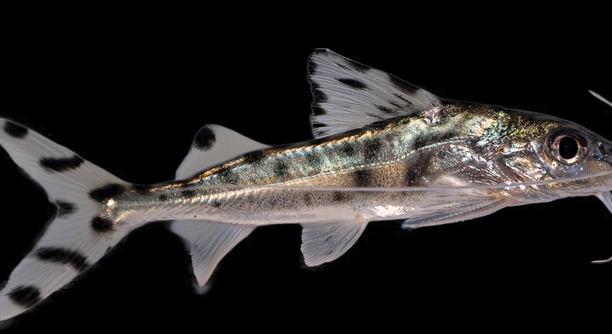
Is your Pictus catfish showing sudden bursts of energy or increased activity in your aquarium? Many fish owners notice changes in their catfish’s behavior without knowing the cause. This article will help explain why your Pictus catfish might be acting more lively than usual.
Pictus catfish often become more active due to changes in water temperature, feeding schedules, or environmental stimulation. Increased activity can also indicate natural behavior shifts or stress responses triggered by their surroundings or tank conditions.
Understanding these triggers can help you maintain a healthy environment for your catfish and keep it happy and comfortable in your tank.
Changes in Water Conditions
Pictus catfish are very sensitive to their environment, especially the water quality and temperature. When there is a sudden change in water temperature, such as warming or cooling, your catfish might become more active as it adjusts to the new conditions. Similarly, changes in pH, ammonia, or nitrate levels can also affect their behavior. If the water is cleaner or the tank has been recently cleaned, the fish may swim more energetically, enjoying the improved environment. On the other hand, poor water quality can stress the fish and cause erratic swimming or increased activity as they try to escape discomfort. Keeping the tank stable with regular water tests and proper filtration helps prevent unwanted surprises in behavior.
Water changes and tank cleaning often boost the fish’s energy for a short time.
Besides temperature and water chemistry, adding plants or rearranging decorations can stimulate your Pictus catfish. These fish enjoy exploring new spaces and hiding spots. Moving objects around encourages them to swim and investigate more than usual. If you feed them at different times or give a new type of food, they may also respond with extra activity. Stress can cause restlessness, but mild changes in the environment can motivate natural behaviors. Observing how your catfish reacts to these adjustments will help you understand if the activity is healthy or a sign of discomfort.
Feeding and Natural Behavior
Pictus catfish are nocturnal and more active during low light, but they may become lively during feeding times as well. They tend to move quickly to find food, especially when given treats or new types of food. Increasing their feeding frequency or changing their diet can trigger more activity in the tank. Sometimes, they swim around more to compete for food or explore their surroundings after eating. This behavior is normal and shows their alertness and curiosity.
Feeding changes can directly impact your catfish’s activity levels.
Regular feeding routines keep your Pictus catfish healthy and active. Offering a balanced diet of sinking pellets, frozen or live food like bloodworms, and occasional vegetables keeps them interested and energetic. Sudden changes in feeding times or diet can excite the fish but should be introduced gradually to avoid stress. If your catfish suddenly becomes hyperactive after feeding, it might be trying to find more food or simply expressing contentment. Paying attention to their feeding habits will help you spot any unusual behavior early. Adjusting feeding schedules thoughtfully ensures your catfish remains lively without becoming restless or aggressive.
Stress and Tankmates
Stress can make your Pictus catfish more active, often in a restless way. Changes in the tank or aggressive tankmates can cause this behavior.
When other fish in the tank become aggressive or territorial, your catfish might swim quickly to avoid conflict. Overcrowding or noisy tankmates can increase stress, leading to sudden bursts of activity. Incompatible fish can make your Pictus feel unsafe, prompting them to dart around or hide frequently. It’s important to watch how your catfish interacts with other species and adjust the tank environment if needed.
Stress might also come from sudden loud noises or vibrations near the aquarium. Reducing disturbances and providing hiding spots helps calm your catfish and reduces unwanted hyperactivity.
Health and Illness Signs
Changes in activity can signal health problems like parasites or infections. Increased activity might be an early warning sign.
If your Pictus catfish is swimming erratically or rubbing against objects, it could be trying to relieve irritation caused by parasites. Illness can cause restlessness as the fish struggles to cope with discomfort. Watch for other symptoms like loss of appetite, discoloration, or labored breathing. Early detection and treatment improve the chances of recovery.
Consulting with an aquatic veterinarian or specialist is recommended if abnormal activity persists. Proper water conditions and diet support your catfish’s immune system, helping prevent health issues before they start.
Lighting Changes
Sudden changes in lighting can affect your Pictus catfish’s activity. They prefer dim environments and may become restless if the tank is too bright.
Adjusting the light intensity or schedule can cause your catfish to swim more actively. Keeping consistent lighting helps maintain their natural rhythm and reduces stress.
Breeding Behavior
During breeding, Pictus catfish often become more active and display increased swimming around the tank. This behavior includes chasing or cleaning spots to prepare for eggs.
The activity is a normal part of their reproductive cycle and usually lasts until the eggs are laid and fertilized.
Exercise and Stimulation
Pictus catfish need space to swim and explore to stay healthy. Limited tank size or lack of stimulation can cause sudden bursts of energy when they find new areas.
Providing a well-decorated tank with hiding spots and open swimming areas encourages natural activity and prevents boredom.
FAQ
Why is my Pictus catfish more active at night?
Pictus catfish are naturally nocturnal, so they tend to be more active during the evening and night. This is when they search for food and explore their environment. If your catfish is swimming actively at night, it is just following its natural behavior pattern.
Can sudden activity mean my Pictus catfish is stressed?
Yes, sudden bursts of activity can sometimes indicate stress. Changes in water quality, aggressive tankmates, or loud noises around the aquarium may cause your catfish to become restless. Watch for other signs like hiding or rapid breathing to confirm stress.
How often should I feed my Pictus catfish to avoid hyperactivity?
Feeding your Pictus catfish once or twice a day with a balanced diet is usually enough. Overfeeding can cause them to be more active and restless, especially if they compete for food. Keep feeding times consistent to help regulate their behavior.
What tank size is best for a Pictus catfish to prevent sudden activity?
A tank of at least 55 gallons is recommended for a Pictus catfish because they are active swimmers and need space. Smaller tanks can cause them to feel cramped and lead to sudden bursts of energy when they try to move around more.
Can water temperature changes cause sudden activity?
Yes, Pictus catfish are sensitive to water temperature. If the temperature rises or falls quickly, they might swim more actively as they try to adjust. Keeping the temperature stable between 72°F and 79°F helps maintain calm behavior.
How do I know if my Pictus catfish is sick and not just active?
If your catfish swims erratically, rubs against tank objects, loses appetite, or shows discoloration, it could be sick. Sudden activity combined with these signs should prompt a health check. Healthy activity is usually smooth and purposeful.
Do Pictus catfish need hiding spots to reduce activity?
Yes, hiding spots like caves and plants provide security. When they feel safe, they are less likely to swim nervously or dart around. Adding places to hide can reduce unnecessary bursts of activity caused by stress.
Will changing tank decorations affect my Pictus catfish’s behavior?
Rearranging decorations can make your catfish more active as they explore new spaces. This behavior is normal and usually temporary. It helps keep the fish mentally stimulated but avoid too many sudden changes at once.
Is it normal for Pictus catfish to swim at the top of the tank suddenly?
Usually, Pictus catfish stay near the bottom, but occasional swimming near the surface can happen when they are searching for food or exploring. If it becomes frequent or is paired with gasping, it could mean low oxygen or poor water quality.
Can other fish in the tank cause my Pictus catfish to be more active?
Yes, aggressive or territorial fish can cause your catfish to swim quickly to avoid confrontation. Tankmates that are too active or large might stress your Pictus catfish, resulting in increased activity as they try to escape.
What is the best way to calm a hyperactive Pictus catfish?
Maintaining stable water conditions, providing hiding places, and keeping a consistent feeding schedule are key. Avoid sudden changes in lighting or decorations, and make sure tankmates are peaceful to reduce stress and hyperactivity.
How does diet affect the activity of Pictus catfish?
A varied diet with sinking pellets, live or frozen food, and occasional vegetables keeps Pictus catfish healthy and balanced. Sudden diet changes or overfeeding can lead to hyperactivity, so introduce new foods gradually to avoid stress.
Can bright lighting make my Pictus catfish more active?
Bright light can make Pictus catfish uncomfortable because they prefer dim conditions. Too much light may cause them to swim nervously or hide. Using subdued lighting or floating plants can help create a more natural environment.
Should I worry if my Pictus catfish is active but not eating?
If your catfish is swimming a lot but refuses food, it could indicate stress or illness. Observe for other symptoms and test water quality. If the behavior continues, consulting a vet or fish expert is recommended.
How do I encourage healthy activity in my Pictus catfish?
Provide a spacious tank with plants and hiding spots, maintain clean water, and offer a balanced diet. Gentle stimulation through tank decoration changes can encourage natural exploration without causing stress or overactivity.
Understanding why your Pictus catfish suddenly becomes more active can help you take better care of your fish. Often, this change in behavior is linked to the environment in the tank, such as water temperature, lighting, or tank decorations. Sometimes it can also be related to feeding routines or interactions with other fish. By paying close attention to these factors, you can create a comfortable and stable home for your catfish that supports its natural behaviors. Keeping conditions steady often reduces sudden bursts of energy and helps the fish feel safe.
It’s important to remember that increased activity is not always a bad sign. Pictus catfish are naturally curious and active swimmers, especially during feeding times or when they notice something new in their environment. However, if the activity seems frantic or is paired with signs of stress or illness, it is best to check the water quality and health of your fish. Regular water testing and tank maintenance go a long way in preventing problems. Also, make sure your catfish has enough space to swim and plenty of hiding places to feel secure. These small adjustments can keep your fish calm and happy.
Lastly, knowing your Pictus catfish’s natural habits will help you respond better to changes in its behavior. They like dim lighting, clean water, and a peaceful environment. Sudden activity can sometimes be a response to good things, like new food or a cleaner tank, but other times it may mean stress or discomfort. Monitoring your fish regularly and making thoughtful changes will help ensure it stays healthy. Taking care of a Pictus catfish is rewarding when you understand how to meet its needs and provide the right environment.

Hello,
If you enjoy the content that we create, please consider saying a "Thank You!" by leaving a tip.
Every little bit helps us continue crafting quality advice that supports the health, happiness, and well-being of pets around the world, for pets of all shapes, sizes, and species.
We really appreciate the kindness and support that you show us!