
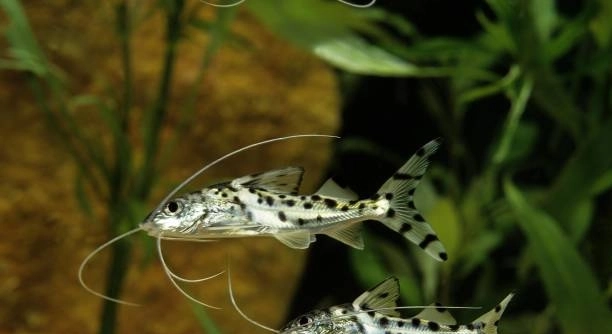
Choosing the right filter for your Pictus catfish tank is important for keeping your fish healthy. Filters help maintain clean water by removing waste and toxins. Not all filters work well with this type of fish.
The best filter for Pictus catfish provides strong but gentle water flow, good mechanical and biological filtration, and is sized properly for the tank. Canister or hang-on-back filters often meet these needs effectively.
Knowing which filter suits your Pictus catfish will make caring for them easier and improve their environment. This article explains what to look for and why it matters.
Understanding Pictus Catfish Needs
Pictus catfish are active swimmers that prefer a tank with moderate to strong water movement. They come from rivers and streams where the current keeps the water oxygen-rich and clean. Because of this, they need a filter that can maintain good water quality without creating too harsh a flow. Filters with adjustable flow rates are ideal, allowing you to control the strength to match your catfish’s comfort. These fish also produce a moderate amount of waste, so mechanical filtration to trap debris is important. Biological filtration is equally necessary to break down harmful ammonia and nitrites, keeping the water safe. The filter should also be easy to clean because buildup can quickly affect water conditions. Choosing a filter that balances these features supports your Pictus catfish’s health and helps prevent stress or illness caused by poor water quality.
The right filter respects your catfish’s need for clean, well-oxygenated water while offering manageable maintenance.
Knowing your fish’s natural environment helps in picking equipment that keeps them comfortable and healthy for years.
Types of Filters Suitable for Pictus Catfish
Not every filter works well for Pictus catfish tanks. Hang-on-back (HOB) filters are a popular choice because they combine mechanical, chemical, and biological filtration in one unit. They usually have adjustable flow, which suits the Pictus catfish’s need for moderate water movement. Canister filters are also excellent; they offer powerful filtration and keep equipment out of the tank, which makes more swimming space. Sponge filters provide gentle filtration but might not be enough alone for larger tanks or heavily stocked setups. Some hobbyists prefer internal filters, but these can create strong currents that might stress Pictus catfish if not controlled. When selecting a filter, tank size and bioload are key factors. A filter rated for at least two to three times the tank volume per hour ensures proper water turnover, keeping the tank clean without overworking your fish. Regular maintenance and monitoring flow speed are essential to keep your catfish comfortable.
Filter Maintenance for Pictus Catfish Tanks
Regular filter maintenance is key to keeping your Pictus catfish healthy. Clean the filter media monthly to prevent buildup, but avoid over-cleaning biological media to preserve beneficial bacteria. Check for blockages that reduce water flow and adjust as needed.
Clogged filters can lead to poor water quality and stress your catfish. Mechanical media like sponges and pads should be rinsed in tank water during water changes to avoid killing helpful bacteria. Replace chemical media, such as activated carbon, every four to six weeks for optimal performance. Keep an eye on the flow rate, making sure it’s steady but not too strong. Routine checks prevent surprises and keep the tank stable.
When cleaning the filter, avoid using tap water directly on biological media since chlorine can kill bacteria. Instead, rinse it gently in water taken from the tank. This maintains the balance needed for good filtration. Keeping the filter well-maintained ensures your Pictus catfish swim happily in a clean, safe environment.
Signs Your Filter May Not Be Right
If your Pictus catfish seem stressed or hide often, the filter flow might be too strong. Poor water clarity or frequent algae growth could mean the filter isn’t working efficiently. Strange odors can also indicate filter issues.
Filters that are too weak won’t remove waste properly, leading to toxic buildup that harms your fish. Conversely, strong currents can tire out Pictus catfish, making them less active. Look for signs like gasping at the surface or unusual behavior as signals to check the filter. A good filter balances flow, filtration, and ease of maintenance. Adjust or upgrade your filter if you notice these problems, as proper filtration is crucial for your catfish’s wellbeing.
Choosing the Right Filter Size
Filter size must match your tank volume to work properly. A filter rated for at least two to three times the tank’s capacity per hour is ideal for Pictus catfish.
Using an undersized filter causes water quality to drop quickly. Oversized filters can create too much flow, stressing the fish.
Filter Media Types Explained
Mechanical media traps debris like uneaten food and waste particles, preventing cloudiness. Biological media hosts beneficial bacteria that break down harmful ammonia and nitrites into less toxic nitrates. Chemical media, like activated carbon, removes odors, discoloration, and dissolved chemicals. A good filter for Pictus catfish combines all three types. This ensures water stays clean and safe, while supporting healthy bacteria growth. Proper media balance reduces maintenance needs and creates a stable environment.
Adjusting Flow Rate
Many filters allow flow adjustments. Lower the flow if your Pictus catfish seem stressed or have trouble swimming.
FAQ
How often should I clean my filter for a Pictus catfish tank?
Cleaning the filter once a month is usually enough. Mechanical parts like sponges or pads should be rinsed gently with tank water to keep beneficial bacteria alive. Chemical media, such as activated carbon, should be replaced every four to six weeks. Avoid over-cleaning biological media because it houses the bacteria that break down harmful waste.
Can I use any type of filter for my Pictus catfish?
Not all filters work well. Hang-on-back and canister filters are preferred because they provide strong filtration with adjustable flow. Sponge filters may be too gentle for larger tanks. Internal filters can create strong currents, which might stress your catfish. It’s important to choose a filter that balances flow strength and filtration quality.
What is the ideal flow rate for a Pictus catfish tank?
A filter that cycles water two to three times the tank volume per hour is best. However, flow should be gentle enough to prevent stress. Many filters allow you to adjust the flow, which helps create a comfortable environment. If your catfish hide or seem tired, try lowering the flow rate.
Why is biological filtration important?
Biological filtration hosts beneficial bacteria that break down ammonia and nitrites—both toxic to fish—into less harmful nitrates. Without this process, water quality quickly declines, putting your Pictus catfish at risk. Maintaining healthy biological media ensures a safe and stable environment.
What should I do if my filter flow is too strong?
If the flow feels too strong, reduce it using the filter’s adjustment feature if available. You can also redirect the output or place decorations to soften the current. Strong currents tire Pictus catfish and may cause them to hide or stop eating.
Can I run a filter 24/7 for my Pictus catfish?
Yes, filters should run continuously. Stopping filtration can cause harmful waste to build up quickly. Continuous filtration helps maintain oxygen levels and keeps the water clear and safe.
How do I know when to replace filter media?
Mechanical media needs replacing when it becomes worn or too clogged to clean properly. Chemical media, like activated carbon, usually lasts four to six weeks. Biological media generally lasts longer but should be replaced gradually and carefully to avoid losing beneficial bacteria.
Is it okay to use a filter with a heater?
Yes, many filters come with built-in heaters or work well alongside external heaters. The important part is to ensure both devices fit your tank size and do not interfere with water flow. Proper temperature combined with clean water keeps your Pictus catfish healthy.
What happens if I don’t maintain my filter regularly?
Neglecting filter maintenance leads to clogged media, poor water flow, and buildup of harmful substances. This causes stress, disease, and sometimes death for your fish. Regular upkeep prevents these problems and keeps the tank environment stable.
Are there any filter brands recommended for Pictus catfish tanks?
Popular brands like Fluval, Eheim, and AquaClear offer reliable filters with adjustable flow and effective filtration media. These brands balance performance and ease of maintenance, making them suitable choices for Pictus catfish tanks.
Choosing the right filter for your Pictus catfish tank is important for keeping your fish healthy and comfortable. Filters help maintain clean water by removing waste and toxins, which supports your catfish’s natural behavior and well-being. Since Pictus catfish prefer moderate water flow and well-oxygenated water, selecting a filter that balances these needs is key. A good filter not only cleans the water but also provides enough oxygen, making the tank environment closer to their natural habitat. This helps reduce stress and promotes better activity and growth.
It’s also important to match the filter size and type to your tank and fish. Filters that are too small may not clean the water properly, leading to poor water quality. On the other hand, filters that create very strong currents might cause your catfish to hide or become less active. Filters like hang-on-back and canister types are often the best choices because they offer adjustable flow and effective filtration methods. Regular maintenance is necessary to keep the filter working well. Cleaning mechanical parts and replacing chemical media at the right times preserve water clarity and the beneficial bacteria needed for biological filtration. This keeps the tank stable and safe for your fish.
In the end, choosing and caring for the right filter is a simple but essential part of Pictus catfish care. When you pay attention to flow rates, filter media, and regular upkeep, your fish will live in a healthy environment. This makes caring for them easier and more rewarding. A well-filtered tank means fewer health problems and more active, happy catfish. Taking the time to understand your filter’s role will help you provide the best home for your Pictus catfish over the long term.

Hello,
If you enjoy the content that we create, please consider saying a "Thank You!" by leaving a tip.
Every little bit helps us continue crafting quality advice that supports the health, happiness, and well-being of pets around the world, for pets of all shapes, sizes, and species.
We really appreciate the kindness and support that you show us!