
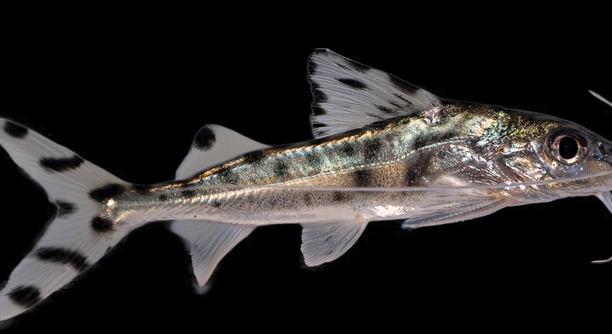
Pictus catfish are popular aquarium fish known for their active and curious nature. Keeping them calm during tank cleanings can help reduce stress and prevent injury. Proper care during these moments is essential for their well-being.
To keep pictus catfish calm during cleanings, it is important to minimize sudden movements, use gentle water changes, and create hiding spots. Providing a consistent routine and avoiding harsh disturbances also contributes to reducing their stress levels effectively.
Understanding these techniques will improve your fish’s comfort and make cleanings smoother. This article shares practical tips to help maintain a calm environment for your pictus catfish.
Create a Safe Hiding Spot
Pictus catfish feel more secure when they have places to hide during tank cleanings. Adding caves, plants, or decorations where they can retreat reduces their stress. These hiding spots give the fish a sense of control in an environment that is otherwise being disturbed. It is best to position these shelters in quiet areas of the tank, away from the main activity. This setup helps the catfish relax and avoid panic when cleaning begins. Regularly check that these spaces remain clean and free of debris so the fish continue to feel safe. Over time, your pictus catfish will learn to use these retreats as a calming refuge, making the cleaning process smoother for both you and the fish.
Hiding spots reduce stress by offering a retreat during tank maintenance. This helps pictus catfish stay calm and avoid injury.
Keeping the tank environment predictable also supports calm behavior. When pictus catfish know where to hide, they experience less anxiety during disturbances. Consistency in where and how you clean also helps reduce their fear. Offering multiple hiding places ensures that shy fish have options, especially if one area becomes crowded or less appealing. Use natural-looking decorations to mimic their natural habitat. This approach not only benefits their comfort but also adds aesthetic value to the aquarium. A calm catfish is easier to care for and maintains better health, especially during cleaning times when stress levels can easily rise.
Move Slowly and Gently
Sudden movements can frighten pictus catfish and cause them to dart around the tank. Moving slowly and gently during cleanings helps keep them calm and reduces the risk of injury.
Avoid quick hand motions or splashing water when cleaning the tank. Instead, approach the fish with steady, calm movements that signal no immediate threat. Using a soft net or container to catch the fish is also better than rapid scooping, which can stress them. Maintaining a calm environment with low noise and dimmed lights supports this gentle approach. Gradual water changes and cleaning smaller sections at a time prevent overwhelming the fish. Patience is key when working with pictus catfish, as rushing increases their anxiety. By respecting their sensitivity to sudden change, you create a safer, less stressful cleaning experience that benefits both the fish and the aquarium’s overall health.
Keep Water Temperature Stable
Sudden changes in water temperature can cause stress to pictus catfish during cleanings. Maintaining a stable temperature helps keep them calm and comfortable throughout the process.
Before starting a cleaning, check that the replacement water matches the tank’s temperature closely. Even small differences can upset your fish. Use a reliable thermometer to measure the water temperature accurately. When adding new water, pour it gently to avoid sudden temperature shifts or strong currents. Gradual water changes are better than replacing large amounts at once, as they reduce shock to the fish’s system. Keeping water temperature steady supports their natural behavior and reduces stress during maintenance.
Stable water temperature also helps maintain the tank’s overall balance. It prevents sudden reactions from your pictus catfish, such as erratic swimming or hiding excessively. By carefully matching temperatures, you ensure a smoother transition during cleaning tasks. This practice not only benefits your fish’s comfort but also protects beneficial bacteria that support water quality. Consistency in temperature control is a simple but effective way to promote a calm environment for your catfish.
Limit Noise and Vibrations
Pictus catfish are sensitive to noise and vibrations, which can increase stress during tank cleaning. Reducing these disturbances helps keep them calm and steady.
Avoid loud talking, banging on the tank, or tapping glass surfaces while cleaning. Vibrations can cause the fish to become restless or hide excessively. Use soft tools and work gently to minimize vibrations. Turning off nearby devices like speakers or alarms also helps. Quiet surroundings create a more peaceful environment, allowing pictus catfish to feel secure during tank maintenance. Maintaining this calm atmosphere supports their well-being and reduces stress-related behaviors.
Use Dim Lighting
Bright lights can make pictus catfish uneasy during cleanings. Using dim lighting helps reduce their stress by creating a calmer atmosphere.
Lowering the tank light or turning it off temporarily allows the fish to feel safer. Soft lighting mimics their natural environment, which they prefer during disturbances.
Avoid Overhandling
Handling pictus catfish too much can cause unnecessary stress and injury. Limit direct contact to essential tasks only.
When you must move the fish, do so gently and quickly. Use a soft net and avoid squeezing or sudden movements. Keeping handling minimal protects their health and keeps them calm.
Clean Gradually
Cleaning the tank in small sections prevents overwhelming pictus catfish. Gradual maintenance helps maintain water stability and reduces stress.
Partial water changes and spot cleaning allow beneficial bacteria to remain intact. This approach supports the fish’s comfort and avoids drastic changes in their environment.
Maintain Consistent Routine
Pictus catfish respond well to a predictable cleaning schedule. Keeping routines consistent helps them adapt and stay calm over time.
FAQ
How often should I clean my pictus catfish tank?
Cleaning frequency depends on tank size, fish population, and filtration. Generally, a partial water change of 20-30% once every one to two weeks is recommended. This helps keep water quality high without stressing the fish. Spot cleaning to remove debris can be done more often, as needed.
What water parameters are best for pictus catfish?
Pictus catfish thrive in water temperatures between 72°F and 79°F (22°C to 26°C). The pH should be slightly acidic to neutral, ideally between 6.5 and 7.5. Ammonia and nitrite levels must remain at zero, while nitrate should stay below 20 ppm. Stable conditions reduce stress during cleanings.
Can I use a siphon vacuum during cleanings?
Yes, a siphon vacuum is helpful for removing waste from the substrate. Use it gently to avoid disturbing the fish or stirring up too much debris at once. Clean in small sections to maintain water clarity and keep the environment calm for your catfish.
Should I remove my pictus catfish during tank cleaning?
It’s best to avoid removing your catfish unless necessary. Moving them can cause stress and increase the risk of injury. Instead, clean small parts of the tank gradually, allowing the fish to stay in their environment. Use hiding spots to help them feel secure during the process.
What signs show my pictus catfish is stressed during cleaning?
Stress signs include rapid breathing, hiding excessively, erratic swimming, and loss of appetite. If you notice these behaviors, slow down the cleaning process, lower noise and light levels, and check water parameters. Adjusting your approach can help calm your fish.
How can I prepare replacement water before a cleaning?
Prepare replacement water by matching the tank’s temperature, pH, and hardness as closely as possible. Use a water conditioner to remove chlorine and chloramine. Let the water sit for at least 24 hours if possible to allow chemicals to dissipate. Proper preparation reduces shock to your fish.
What decorations work best for pictus catfish hiding spots?
Natural materials like smooth stones, driftwood, and dense plants make excellent hiding spots. Caves or PVC tubes can also provide shelter. Avoid sharp edges or small spaces where the fish might get stuck. Well-placed decorations offer comfort and help reduce stress during tank cleaning.
Can stress during cleaning cause illness in pictus catfish?
Yes, stress weakens the immune system, making fish more prone to infections and diseases. Keeping the cleaning routine gentle and calm reduces the risk. Observing your catfish regularly helps catch any health issues early, allowing prompt treatment and care.
Is it okay to clean the filter media during tank maintenance?
Cleaning filter media is necessary but should be done carefully. Rinse it gently in tank water during water changes to preserve beneficial bacteria. Avoid using tap water or harsh cleaning agents, as these can kill bacteria essential for maintaining water quality.
How can I reduce my pictus catfish’s stress long-term?
Maintain stable water conditions, provide ample hiding places, and follow a consistent cleaning schedule. Avoid sudden changes in lighting, temperature, or tank layout. Regular monitoring of fish behavior helps identify stress early, allowing you to adjust care practices accordingly.
These answers aim to help you care for your pictus catfish during cleanings, promoting their health and comfort. Following these guidelines can make maintenance less stressful for both you and your fish.
Keeping pictus catfish calm during tank cleanings is important for their health and well-being. These fish are sensitive to changes in their environment, so careful handling helps reduce stress. Simple steps like providing hiding spots, maintaining stable water temperature, and moving slowly during cleaning can make a big difference. When the fish feel safe and secure, they are less likely to panic or injure themselves. A calm fish also adapts better to the changes that come with regular tank maintenance.
Regular cleanings are necessary to keep the aquarium healthy, but they should be done with care. Sudden movements, loud noises, or drastic changes in water conditions can upset pictus catfish. Avoid overhandling and keep lighting dim during the process. Gradual water changes and cleaning small sections at a time reduce the risk of shocking the fish. Following a consistent routine helps pictus catfish get used to the maintenance schedule, which lowers their anxiety over time. Taking these precautions creates a better environment for your fish to thrive.
Overall, keeping pictus catfish calm during cleaning requires attention to their natural needs and behavior. Providing a calm atmosphere and avoiding unnecessary stress supports their long-term health. Each tank and fish may react differently, so observing their behavior closely can guide adjustments in care. With patience and careful preparation, cleaning time can be less stressful for both the fish and the aquarium owner. This approach ensures a healthier, more peaceful tank where pictus catfish can live comfortably.

Hello,
If you enjoy the content that we create, please consider saying a "Thank You!" by leaving a tip.
Every little bit helps us continue crafting quality advice that supports the health, happiness, and well-being of pets around the world, for pets of all shapes, sizes, and species.
We really appreciate the kindness and support that you show us!