
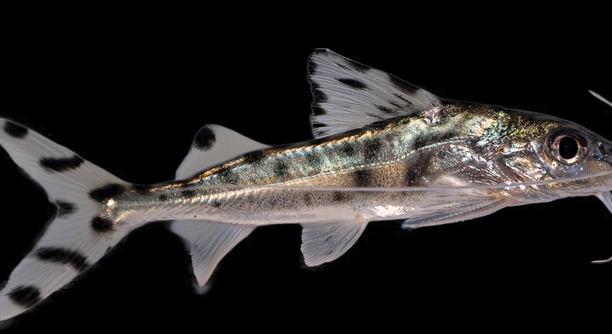
Pictus catfish are popular freshwater fish known for their active swimming and peaceful nature. Many owners want to ensure their fish feels safe in its environment. Recognizing signs of security can help maintain a healthy tank.
A secure pictus catfish exhibits calm swimming patterns, regularly explores its tank, and responds to environmental changes without stress. Signs include normal feeding behavior and interaction with tank mates, indicating comfort within its habitat.
Knowing these behaviors helps create a better home for your fish. This article will guide you through observing and understanding your pictus catfish’s well-being.
Recognizing Calm and Active Behavior
A pictus catfish that feels secure will often swim calmly throughout the tank. It moves with purpose but without sudden or erratic motions. These fish enjoy exploring their environment, weaving through plants, rocks, and decorations. When the tank is quiet, you may notice them resting near the bottom or mid-level, showing they feel safe. Feeding times provide another clue. Secure pictus catfish will eagerly come forward to eat and show no signs of hiding or hesitation. They also interact peacefully with other fish, avoiding aggressive or overly timid behavior. Sudden darting or prolonged hiding often signals discomfort or stress. Observing these patterns regularly can help you detect changes in your fish’s emotional state early, allowing for timely adjustments in tank conditions or care. A consistent environment with proper water parameters supports this secure behavior, helping your catfish thrive.
Stress in pictus catfish often appears through erratic swimming and reduced appetite.
Regular monitoring of your catfish’s activity and feeding will keep them healthy and comfortable.
Creating a Secure Environment
Maintaining a secure environment involves more than just watching behavior; it starts with the setup. Pictus catfish prefer tanks with plenty of hiding spots, such as caves, plants, and driftwood. These areas offer shelter and reduce stress by mimicking their natural habitat. Water quality is also critical. Stable temperature, pH, and clean water prevent discomfort and illness. Overcrowding should be avoided, as too many fish can lead to competition and stress. Lighting should be moderate to low, as bright light can make these fish nervous. A gentle filtration system is best, providing clean water without creating strong currents. Feeding a balanced diet regularly supports their health and encourages natural activity. These steps together create a safe space that encourages your pictus catfish to display natural, relaxed behavior, helping you enjoy a lively and healthy aquarium.
Signs of Stress in Pictus Catfish
Pictus catfish show stress through unusual behavior like hiding constantly or swimming erratically. Loss of appetite and color fading are common signs.
Stress can arise from poor water quality, sudden changes in environment, or aggressive tank mates. When stressed, pictus catfish may isolate themselves and avoid feeding, which affects their health. It is important to check water parameters regularly and maintain a calm tank atmosphere. Stress can also result from insufficient hiding places, so adding plants or decorations may help reduce anxiety. Observing these behaviors early allows for prompt action to improve the fish’s well-being and prevent illness.
Providing consistent care, maintaining stable conditions, and ensuring peaceful tank companions are key steps to reduce stress. Understanding these signs helps create a more comfortable environment for your pictus catfish to thrive in.
Feeding Habits and Security
Secure pictus catfish display regular feeding habits without hesitation. They respond quickly to food and show interest during feeding times.
A healthy diet and feeding routine strengthen their sense of security. Providing varied food like sinking pellets, live, or frozen foods keeps them interested and nourished. Avoid overfeeding to maintain water quality and prevent obesity. Feeding small amounts multiple times a day mimics natural conditions and reduces stress. Consistent feeding routines create predictability, which helps fish feel safe and secure.
Inconsistent feeding or poor diet can lead to health problems and increased stress. Careful attention to their feeding behavior supports overall well-being and a calm, active fish.
Tank Setup and Security
A well-arranged tank helps pictus catfish feel secure. Proper hiding spots and gentle lighting reduce stress.
Avoid overcrowding to prevent competition and aggression. Space supports peaceful coexistence and calm behavior.
Water Quality and Stability
Consistent water conditions are essential for pictus catfish security. Regular testing and maintenance of temperature, pH, and ammonia levels prevent stress. Sudden changes can cause discomfort and illness. Clean, well-filtered water keeps the fish healthy and comfortable. Avoid strong currents, as pictus catfish prefer gentle water movement. A stable environment supports natural behavior and overall well-being.
Interaction with Tank Mates
Choosing compatible tank mates promotes a secure atmosphere. Aggressive or overly active fish may cause stress.
Peaceful species encourage calm behavior and social comfort for pictus catfish.
FAQ
How can I tell if my pictus catfish is happy?
A happy pictus catfish will swim calmly and explore its environment regularly. It will eat eagerly during feeding times and interact peacefully with other fish. Bright coloration and normal activity levels are also good signs of well-being.
Why does my pictus catfish hide all the time?
Hiding frequently can indicate stress or discomfort. This might be due to poor water quality, aggressive tank mates, or insufficient hiding spots. Check your tank conditions and add decorations or plants to offer safe places for your fish.
What water conditions do pictus catfish prefer?
They thrive in water temperatures between 72-78°F (22-26°C) with a pH of 6.5 to 7.5. Clean, well-filtered water with low ammonia and nitrate levels is essential for their health. Avoid sudden changes in water parameters.
How often should I feed my pictus catfish?
Feed small amounts two to three times daily. Use sinking pellets, frozen foods, or live food to keep their diet balanced. Avoid overfeeding to maintain water quality and prevent health issues.
Can pictus catfish live with other fish?
Yes, pictus catfish are peaceful and do well with other calm species. Avoid aggressive or very active fish that may stress them. Providing enough space and hiding places helps all fish coexist peacefully.
Why is my pictus catfish not eating?
Loss of appetite can be a sign of stress, illness, or poor water quality. Ensure the tank conditions are stable and appropriate. Check for signs of disease and offer varied food to encourage eating.
What kind of tank setup is best for pictus catfish?
A tank with plenty of hiding spots like caves, driftwood, and plants is ideal. Moderate lighting and gentle water flow help create a comfortable environment. Avoid overcrowding to reduce stress.
How do I reduce stress in my pictus catfish?
Maintain stable water conditions, provide hiding places, and keep tank mates peaceful. Regular feeding schedules and clean water also help reduce stress levels. Watch for any changes in behavior and act quickly if problems arise.
Are pictus catfish nocturnal?
They are more active at dawn and dusk but can be seen swimming throughout the day. Providing low to moderate lighting and quiet periods helps them feel secure and behave naturally.
How large do pictus catfish grow?
They typically reach about 4 to 5 inches in length. A tank size of at least 30 gallons is recommended to provide enough swimming space and comfort.
These answers address common concerns and help ensure your pictus catfish remains healthy and secure. Careful observation and good tank management are key to their well-being.
Pictus catfish need a stable and comfortable environment to feel secure. Their behavior reflects how safe they are in their tank. Calm swimming, regular feeding, and exploring their surroundings are good signs. When these fish hide too much or act nervously, it usually means something is wrong. Checking water quality, tank setup, and tank mates helps identify and fix problems. A balanced habitat supports the natural behavior of pictus catfish and keeps them healthy.
Setting up the tank with proper hiding places is important. Plants, caves, and decorations provide shelter and reduce stress. Gentle lighting and moderate water flow also help these fish feel at ease. Avoid overcrowding to prevent aggression and competition for space. Keeping the water clean and stable with regular testing supports their well-being. Feeding them a varied diet at regular times encourages natural feeding habits and strengthens their sense of security. Consistency in care is essential to maintaining a peaceful aquarium environment.
Understanding the needs and signs of your pictus catfish helps you provide the best care. Observing their behavior daily allows you to notice changes early. Acting on those changes quickly can prevent health issues and reduce stress. A secure pictus catfish is more active, shows brighter colors, and interacts peacefully with other fish. These signs reflect a healthy and comfortable pet. Following simple steps like good water quality, proper tank setup, and balanced feeding can make a big difference. This approach ensures your pictus catfish will thrive and bring enjoyment to your aquarium.

Hello,
If you enjoy the content that we create, please consider saying a "Thank You!" by leaving a tip.
Every little bit helps us continue crafting quality advice that supports the health, happiness, and well-being of pets around the world, for pets of all shapes, sizes, and species.
We really appreciate the kindness and support that you show us!