
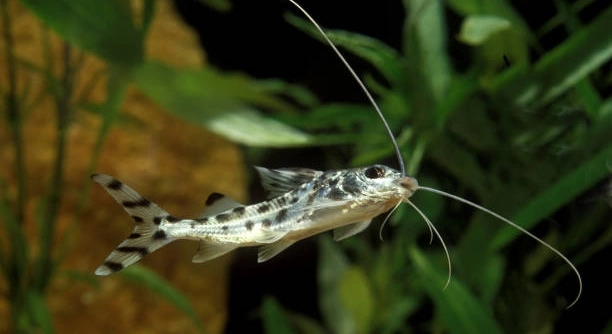
Pictus catfish are popular aquarium fish known for their sleek appearance and active behavior. Keeping them healthy requires attention to their tank environment. Stress from poor conditions can affect their wellbeing and lifespan.
Seven key tank conditions cause stress to Pictus catfish: inadequate water quality, improper temperature, overcrowding, insufficient hiding spaces, wrong substrate, poor diet, and sudden changes in their environment. These factors disrupt their natural behavior and health, leading to illness or death.
Knowing these stressors helps you maintain a better tank for your Pictus catfish. Careful management supports their comfort and vitality over time.
Inadequate Water Quality
Poor water quality is one of the most common reasons Pictus catfish experience stress. These fish need clean water with low levels of ammonia, nitrites, and nitrates. When waste builds up, it can harm their gills and reduce oxygen availability. Regular water changes and proper filtration are essential to keep the tank environment safe. Testing water parameters often helps detect any problems early. Avoid overcrowding, as it increases waste and worsens water quality. Pictus catfish are sensitive to sudden changes in water chemistry, so gradual adjustments are important. Maintaining stable pH and hardness levels also supports their health. A healthy tank reduces stress and prevents diseases that often arise from poor water conditions.
Water quality affects fish health directly, so regular monitoring and maintenance are necessary. Keeping these factors in check helps prevent many common issues in aquariums with Pictus catfish.
Ensuring water is clean and balanced means testing weekly, changing 20-30% of water regularly, and avoiding overfeeding. Using a reliable filter system suited to tank size is key. When water quality is stable, Pictus catfish show more natural behavior and vibrant colors. Neglecting this care can lead to lethargy, loss of appetite, and increased vulnerability to infections. Consistent water care keeps the tank environment comfortable and stress-free for these sensitive fish.
Improper Temperature
Pictus catfish thrive best in temperatures between 72°F and 79°F (22°C to 26°C). Water that is too cold slows their metabolism and weakens their immune system. Water that is too warm can reduce oxygen levels and cause rapid breathing. Temperature fluctuations also cause stress, as these fish prefer stable conditions. Using a reliable heater and thermometer helps maintain the correct range. Avoid placing the tank near drafts, windows, or heating vents. Stability in temperature is just as important as the correct range itself. Gradual changes, if necessary, are less stressful than sudden shifts. Keeping the temperature steady supports the catfish’s overall health and activity levels.
Overcrowding
Too many fish in a tank reduce the space Pictus catfish need to swim and hide. This causes stress and can lead to aggression or illness.
Overcrowding increases waste, which worsens water quality quickly. It limits oxygen availability, making it harder for fish to breathe. Pictus catfish enjoy having room to explore and proper hiding spots. Without enough space, they become more nervous and may stop eating. Maintaining an appropriate fish-to-tank size ratio is important for their comfort.
Avoid adding too many tank mates, especially aggressive or large species. Providing enough room and proper hiding areas lowers stress levels. Regularly check the number of fish and adjust accordingly to keep a balanced environment. This simple step helps keep your catfish calm and healthy.
Insufficient Hiding Spaces
Pictus catfish need places to retreat when they feel threatened. A tank without enough hiding spots can make them anxious and stressed. They naturally seek shelter under plants, rocks, or decorations.
Creating several hiding areas mimics their natural habitat and offers safety. These spots help them feel secure and reduce aggressive behavior. Use caves, driftwood, or dense plants to create shaded, quiet zones. Avoid overcrowding the tank with decorations, but ensure enough hiding options are available.
Hiding places also provide rest areas where catfish can escape bright lights and tank activity. Regularly rearranging decor can help keep their environment interesting. Offering varied shelters supports their natural instincts and overall wellbeing in the tank.
Wrong Substrate
Sharp or rough substrate can injure Pictus catfish, causing stress and infections. They prefer smooth gravel or sand to protect their sensitive barbels.
A soft substrate mimics their natural riverbeds and encourages natural foraging behavior. Avoid using coarse or jagged materials that may cause harm.
Poor Diet
A balanced diet is essential for Pictus catfish health. Feeding only flakes or pellets limits their nutritional intake.
Including live or frozen foods like bloodworms and brine shrimp helps meet their dietary needs. Variety supports growth, coloration, and overall wellbeing.
Sudden Environmental Changes
Rapid changes in lighting, temperature, or water chemistry disrupt Pictus catfish’s stability. These shifts cause stress and weaken their immune system. Maintaining consistent conditions prevents unnecessary discomfort and supports long-term health.
FAQ
What water parameters are best for Pictus catfish?
Pictus catfish do best in water with a pH between 6.5 and 7.5, and temperature ranging from 72°F to 79°F (22°C to 26°C). Ammonia and nitrite levels should be zero, while nitrates should stay below 20 ppm. Regular testing helps maintain these conditions and keeps the fish healthy.
How often should I change the water?
Performing a 20-30% water change every week or two is ideal. This helps remove waste and keeps the water clean without stressing the fish with drastic changes. Make sure the new water matches the tank’s temperature and parameters to avoid shock.
Can Pictus catfish live with other fish?
Yes, they can coexist with peaceful tank mates of similar size. Avoid aggressive or very small fish that might be bullied or eaten. Pictus catfish prefer active, but non-aggressive companions and enough space to swim freely.
What do Pictus catfish eat?
They are omnivores, so a mix of sinking pellets, flakes, live or frozen foods like bloodworms and brine shrimp works well. Variety in diet promotes health and vibrant colors. Feed small amounts once or twice daily to prevent overfeeding and water pollution.
How can I tell if my Pictus catfish is stressed?
Signs include hiding excessively, reduced appetite, sluggish swimming, or unusual spots or marks on their body. Rapid gill movement or clamped fins can also indicate stress. Identifying and correcting tank issues quickly helps prevent illness.
Do Pictus catfish need a heater?
Yes, maintaining a stable temperature between 72°F and 79°F requires a reliable heater. Sudden temperature drops or rises cause stress and can weaken their immune system. A thermometer helps monitor tank temperature accurately.
Why do Pictus catfish need hiding spots?
Hiding spots give them security and reduce anxiety. They naturally retreat when feeling threatened or resting. Without enough shelter, they become stressed and may develop health problems. Providing caves, plants, or driftwood helps them feel safe.
Is lighting important for Pictus catfish?
Moderate lighting is best. Bright or constant light can stress them, as they are more active in dimmer conditions. Using a timer to mimic natural day-night cycles supports their wellbeing and natural behavior.
How large should the tank be?
A minimum of 55 gallons is recommended for Pictus catfish because they grow up to 5-6 inches and are active swimmers. Larger tanks help maintain water quality and reduce stress caused by overcrowding.
What substrate is best for Pictus catfish?
Fine sand or smooth gravel works best. Rough or sharp substrate can injure their barbels, which are sensitive and essential for finding food. A soft substrate also encourages natural foraging behavior and keeps them comfortable.
Can sudden changes harm Pictus catfish?
Yes, abrupt changes in temperature, water chemistry, or lighting cause stress. Gradual adjustments prevent shock and help maintain their health. Stability in the tank environment is crucial for their long-term wellbeing.
How do I reduce aggression in the tank?
Ensure enough space and hiding places for all fish. Avoid overcrowding and incompatible species. Feeding regularly and maintaining good water quality also reduce stress that can lead to aggression.
What should I do if my Pictus catfish shows signs of illness?
Check water quality and tank conditions first. Quarantine sick fish if possible and consult a vet or aquarium specialist. Early treatment improves chances of recovery and protects other fish in the tank.
How often should I clean the tank?
Regular cleaning includes removing uneaten food, debris, and algae weekly. Deep cleaning of substrate and decorations can be done monthly. Consistent maintenance keeps the environment healthy and lowers stress for your catfish.
Final Thoughts
Pictus catfish are beautiful and active fish that can add life to any aquarium. However, they need proper care to stay healthy and stress-free. Understanding the conditions that cause stress is important for anyone keeping these fish. Factors like water quality, tank size, temperature, and hiding spaces all affect their wellbeing. When these needs are met, Pictus catfish tend to be more lively, eat well, and show their natural behaviors.
Stress can weaken fish and make them more vulnerable to diseases. Poor water conditions, overcrowding, or sudden changes in the tank environment often cause unnecessary stress. It is important to maintain a clean tank with stable water parameters. This means regular water testing and water changes, along with proper filtration. Avoiding overcrowding and providing a suitable environment with enough space and shelter also reduces stress. These steps help create a safe and comfortable home for Pictus catfish.
Care for Pictus catfish requires attention to detail but is not difficult once the basics are understood. A balanced diet, stable temperature, and a smooth substrate support their health. Watching for signs of stress or illness and acting quickly can prevent serious problems. Consistent care and observation improve their quality of life in captivity. Keeping the tank conditions steady and meeting their natural needs ensures that Pictus catfish remain healthy and active for years.

Hello,
If you enjoy the content that we create, please consider saying a "Thank You!" by leaving a tip.
Every little bit helps us continue crafting quality advice that supports the health, happiness, and well-being of pets around the world, for pets of all shapes, sizes, and species.
We really appreciate the kindness and support that you show us!