
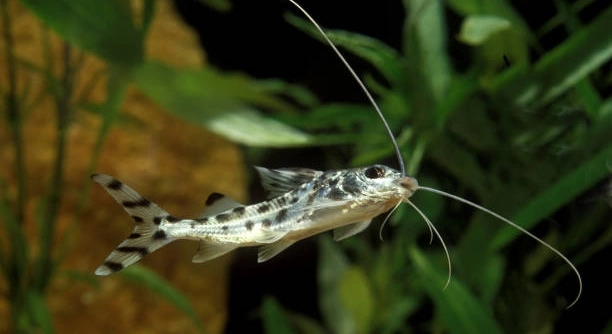
Do you ever find yourself peeking into your tank, only to realize your pictus catfish is nowhere to be seen?
The most common reason your pictus catfish won’t come out is stress caused by poor water conditions, lack of hiding spots, or aggressive tank mates. These fish are naturally shy and sensitive to their surroundings.
Understanding these hiding behaviors can help you create a calmer, healthier space where your catfish feels safe enough to explore.
1. Your Tank’s Lighting Might Be Too Bright
Pictus catfish are naturally nocturnal and prefer dim or low lighting. Bright lights can make them feel exposed and anxious, which causes them to hide for most of the day. If your aquarium is brightly lit with no darker areas or hiding spots, your catfish may avoid coming out entirely. You can help by dimming the lights or using floating plants to create shaded regions. LED lights with adjustable brightness can also be useful. Mimicking their natural habitat is key. Once they feel secure, they are more likely to explore during feeding times and become more active overall.
Bright environments can overstimulate pictus catfish, especially if there are no places to retreat to.
If you want to encourage your catfish to be more visible, gradually adjust your lighting setup. Create shadowed spaces using décor like driftwood or large plants. Over time, your catfish will become more comfortable and venture out more often.
2. They’re Naturally Shy and Prefer Hiding
Pictus catfish enjoy their quiet spaces. It’s a behavior that comes from their instincts and nighttime habits.
Even in the best conditions, pictus catfish are not known for being highly social or constantly on display. They prefer the comfort of caves, plants, and shaded corners. This doesn’t mean they are unhealthy or unhappy—it’s just how they behave. Their shy nature is something to accept rather than try to change completely. However, there are ways to support them without disrupting their habits. Providing more than one hiding place can help them feel safe enough to occasionally explore. Large groups of fish or an active tank environment may discourage them from coming out. You’ll notice they tend to be more active during the night or when the room is quiet. Feeding them at dusk or early evening may help you observe their behavior without making them uncomfortable. Let them adjust at their own pace, and they’ll slowly gain confidence.
3. Stress From Aggressive Tank Mates
Pictus catfish do not do well with aggressive or overly active tank mates. Constant chasing or nipping causes them to hide more often.
If your catfish shares a tank with fish that compete for space or food too aggressively, it may feel unsafe. This stress leads to prolonged hiding, reduced appetite, and limited movement. Peaceful tank mates like tetras, danios, or other calm bottom-dwellers are a better match. Avoid cichlids or larger, territorial species. Pictus catfish thrive when they can swim freely without being harassed. Watch for signs of damaged fins or fast, darting movements—these may suggest conflict in the tank. Providing plenty of space and visual barriers can help reduce tension. Even peaceful fish can cause stress if the tank is too small. Observation is key. Sometimes, even one aggressive fish is enough to keep your pictus hidden for days at a time.
Tank layout matters just as much as the fish you choose. Add caves, plants, and hollow logs to break up sightlines and create comfort zones. Spread food around the tank so your pictus doesn’t feel cornered during feeding time. If behavior doesn’t improve, consider separating aggressive fish. A calm environment is essential for your catfish to come out regularly. They need a space that feels predictable and quiet.
4. Poor Water Quality and Tank Conditions
Pictus catfish are sensitive to water conditions. High ammonia or nitrite levels make them uncomfortable and more likely to stay hidden.
They thrive in clean, well-maintained water with stable parameters. Regular testing is essential. Ammonia and nitrite should always be at zero, and nitrates kept low. The temperature should stay between 72–80°F, with a pH of 6.5–7.5. Dirty or unstable water can stress your catfish, leading them to stay out of sight and even refuse food. Sudden changes in temperature or poor filtration also play a role. Regular water changes, filter maintenance, and monitoring help create a safe and comfortable tank. A healthy tank environment can bring a shy pictus out of hiding slowly over time.
If your catfish hasn’t been coming out much, start by checking your water parameters with a reliable test kit. Addressing even slight imbalances can make a noticeable difference. Vacuum the substrate to remove uneaten food and waste, as these increase ammonia. Avoid overfeeding—excess food decays quickly and pollutes the water. Make sure the filter is working properly and not clogged. A gentle water flow mimics their natural environment. If your tank has been recently set up or changed, give your catfish time to adjust. Stable, clean water will help them relax and regain confidence.
5. Not Enough Hiding Spots
When there aren’t enough hiding spots, your pictus catfish may feel constantly exposed. This makes them retreat into the few places available and stay there longer.
Adding caves, driftwood, or thick plants gives them options and helps them feel safe. More hiding places can actually lead to more visibility.
6. They’re More Active at Night
Pictus catfish are nocturnal and prefer moving around in the evening or when the lights are off. During the day, they stay hidden to avoid stress. Try feeding them just before lights out to observe their behavior. Adjusting your schedule helps you see them more often.
7. Sudden Changes in the Tank
Pictus catfish can react strongly to sudden changes like new decorations, added fish, or even shifting water flow. These disruptions throw off their sense of safety. It’s important to introduce changes slowly and give them time to adjust. Stability helps them return to normal activity faster and come out more often.
FAQ
How long can a pictus catfish stay hidden?
Pictus catfish can stay hidden for several hours to several days, especially when they feel stressed or unsafe. This is completely normal behavior for them. They are nocturnal by nature and prefer low activity levels during the day. If the tank environment is uncomfortable—due to poor lighting, water quality, or aggressive tank mates—they may remain out of sight for even longer. As long as they are eating and not showing signs of illness, occasional hiding isn’t a major concern. Providing a calm space and consistent routine helps them feel more secure and encourages them to come out.
Is it normal for my pictus catfish to hide all day?
Yes, it’s very normal. Pictus catfish are most active at night, and hiding during the day is typical for them. Even in ideal tank conditions, they often stay tucked away in caves or shaded areas. This doesn’t mean they’re unhappy—it’s just part of their natural rhythm. If you want to see more of them, observe them in the evening when the lights are dim, or provide more cover so they feel safer when exploring. The more secure they feel, the more likely they are to move around, even during the day.
What are the signs my pictus catfish is stressed?
Signs of stress in pictus catfish include hiding more than usual, rapid gill movement, loss of appetite, color fading, or sudden darting behavior. They may also avoid certain parts of the tank or stay close to the bottom. Stress can come from poor water quality, incompatible tank mates, loud noises, or frequent changes in the tank. Watch closely for any physical injuries or abnormal swimming patterns. Addressing the cause of stress—whether environmental or social—can greatly improve their behavior and help them feel more at ease in their environment.
Can a pictus catfish live alone?
Yes, a pictus catfish can live alone, but it may become even more shy. In groups of three or more, they sometimes feel safer and show more natural behaviors. However, keeping them in a group requires a larger tank—at least 75 gallons or more—because they are active swimmers. If keeping a single pictus, offer plenty of hiding spots and maintain a peaceful environment. Both setups can work, but tank size, water quality, and tank mate compatibility will affect how comfortable and visible your fish is on a daily basis.
Why does my pictus catfish only come out at night?
Pictus catfish are nocturnal and naturally become more active when the lights are off. Their eyes are adapted to low-light conditions, and they use their sensitive barbels to navigate in the dark. If you want to observe them more often, try using a dim blue “moonlight” setting in the evening. Avoid turning on bright lights suddenly, as this may scare them back into hiding. Feeding them later in the day can also encourage nighttime movement. Over time, they may adjust slightly to your schedule but will always prefer low-light conditions.
Do pictus catfish need hiding places even if they’re alone?
Yes, even a single pictus catfish needs hiding places to feel secure. Without cover, they will often become more anxious and stay inactive. Hiding spots don’t encourage hiding—they actually give your fish the confidence to come out and explore. Try adding caves, PVC tubes, driftwood, or thick plants. Position some near the front of the tank if you’d like to see them more often. Providing shelter is essential for their overall comfort and reduces stress-related behaviors like refusing food or staying motionless for long periods.
How big should the tank be for a pictus catfish?
A single pictus catfish needs at least a 55-gallon tank due to its active swimming style and full-grown size, which can reach 4–5 inches. If you want to keep a small group, aim for 75 gallons or more. These fish are fast swimmers and require horizontal space more than height. Overcrowding or a small tank can stress them and lead to hiding or aggression. Make sure the tank has a secure lid, as pictus catfish are known jumpers. Plenty of open swimming areas and hiding spots help balance their need for movement and safety.
Why isn’t my pictus catfish eating?
Loss of appetite can result from stress, illness, or poor water quality. If your pictus catfish isn’t eating, check your water parameters immediately. Also, look at tank dynamics—aggressive tank mates or too much light can prevent them from feeding comfortably. Try offering food during the evening or with the lights dimmed. Bloodworms, sinking pellets, or live food often work well. If the issue lasts more than a few days and there are other signs of distress, consider isolating the fish for observation or consulting with an aquatic vet.
Can pictus catfish be kept with other bottom dwellers?
Yes, but you need to choose carefully. Peaceful bottom dwellers like Corydoras or bristlenose plecos can be compatible. However, avoid overcrowding and ensure enough space for each species to claim territory. Pictus catfish are fast-moving and might startle slower fish. Give each fish type enough hiding places, and keep an eye on feeding behavior—make sure everyone is getting enough food. Compatibility also depends on tank size. In smaller tanks, competition for space can lead to stress. With proper setup, pictus catfish can live comfortably alongside other bottom dwellers.
Final Thoughts
Pictus catfish are beautiful, active fish that can bring a lot of life to your aquarium. However, their shy and nocturnal behavior sometimes makes them difficult to spot during the day. It’s not unusual for them to hide for hours or even days, especially when their environment is stressful or unfamiliar. Factors like poor water quality, aggressive tank mates, lack of hiding spots, or sudden changes can all cause them to retreat. Understanding their habits and needs can help you create a tank where they feel safe and comfortable enough to explore more often.
Many of the reasons your pictus catfish won’t come out are simple to fix with a little care and attention. Regular water checks, peaceful tank mates, and plenty of cover go a long way. Giving them space to hide doesn’t mean they’ll always be out of sight—it often has the opposite effect. Feeling secure helps them act naturally. Feeding them during dim lighting hours and keeping noise levels low can also encourage them to come out more regularly. Watching their behavior closely helps you spot patterns and make small changes when needed.
With the right setup, pictus catfish can thrive and show off their active side, especially in the evening. Their natural behavior may still include hiding during daylight hours, and that’s okay. Patience is important. The goal isn’t to change who they are, but to give them a home that supports their needs. When they feel safe and well cared for, they’ll slowly become more visible and active. Creating the right balance in your tank will help your pictus catfish feel more relaxed and at ease, leading to a healthier and happier life.

Hello,
If you enjoy the content that we create, please consider saying a "Thank You!" by leaving a tip.
Every little bit helps us continue crafting quality advice that supports the health, happiness, and well-being of pets around the world, for pets of all shapes, sizes, and species.
We really appreciate the kindness and support that you show us!