
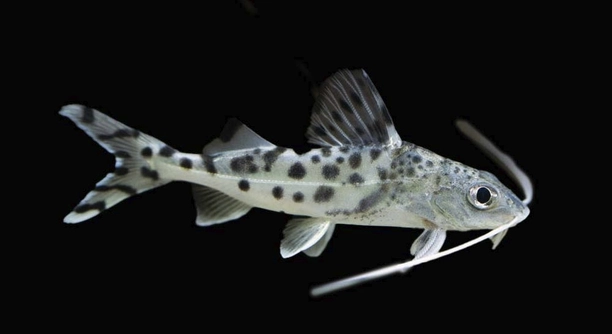
Pictus catfish are popular in home aquariums for their active and peaceful nature. Understanding how these fish behave in their environment helps aquarists create better living conditions. One key aspect is how they recognize and respect space around them.
Pictus catfish do have the ability to sense territory boundaries through visual and sensory cues. They use these signals to avoid conflicts and establish personal space, which helps maintain harmony within the aquarium environment. This territorial awareness is subtle but important for their social behavior.
Knowing how pictus catfish perceive their space can improve how you arrange your tank and introduce new fish. This knowledge supports a calmer, healthier aquarium for all inhabitants.
How Pictus Catfish Establish Territory
Pictus catfish use their senses to identify the limits of their territory in an aquarium. Their long barbels are highly sensitive and help detect movements and objects nearby. They rely on sight and touch to feel secure in their space. When another fish approaches too closely, pictus catfish often respond by swimming away or showing slight defensive behaviors. These actions help prevent fights and maintain balance among tank mates. In larger tanks, territories can be more clearly defined, but in smaller tanks, pictus catfish may share space more frequently. Objects like plants, rocks, and decorations also serve as natural boundaries. By understanding these cues, aquarists can better manage tank layout to reduce stress for their fish. A well-structured environment gives pictus catfish confidence and encourages natural behavior.
Territorial behavior is influenced by tank size and the presence of hiding spots. These factors shape how pictus catfish interact with each other.
Pictus catfish feel safer when they have clear landmarks in their aquarium. Structures such as driftwood, caves, or dense plants act as territorial markers. These elements create distinct zones where each fish can claim space without direct confrontation. It also provides resting places where they can retreat if needed. When new fish enter the tank, pictus catfish assess these boundaries carefully before settling in. Keeping the tank environment stable with consistent decorations helps maintain peaceful interactions. Regular observation is important to notice any territorial disputes early. Adjusting tank features when necessary can reduce stress and aggression. This understanding benefits both the fish and the aquarist, ensuring a balanced habitat.
Signs of Territorial Behavior in Pictus Catfish
Territorial behavior in pictus catfish is subtle but noticeable through specific actions.
When pictus catfish feel their space is threatened, they may chase intruders briefly or flare their fins slightly. These actions are usually brief and not aggressive. Instead, they serve as warnings to maintain distance. You might observe them patrolling a certain area consistently. This patrol behavior marks the boundaries of their territory. Occasionally, they will display body language like raised barbels or quick darting movements. These signs indicate that the fish is aware of nearby tank mates and is ready to defend its space if needed. Such behaviors help pictus catfish avoid conflicts and maintain social order. They rarely engage in prolonged fights, preferring to keep interactions peaceful.
In a mixed-species tank, these territorial signals help pictus catfish coexist with other fish by setting clear but non-hostile boundaries. Observing these behaviors lets you know when the tank’s environment is working well or needs adjustment to support harmony among your fish.
Factors Influencing Territory Size
Tank size plays a major role in how large a pictus catfish’s territory can be. Larger tanks allow for bigger personal spaces.
In smaller tanks, pictus catfish must share territory more often. This can increase competition and stress. The presence of hiding places also affects territory size. More decorations provide natural boundaries, which can help fish feel more comfortable even in limited space. When tanks lack structure, boundaries become unclear, making fish more likely to compete. It is important to consider both tank size and layout to support healthy territorial behavior.
Social dynamics also influence territory size. In groups, dominant individuals may claim larger areas, while submissive fish take smaller zones. Understanding these interactions helps in managing multi-fish tanks effectively.
Managing Territorial Behavior in Community Tanks
Keeping pictus catfish in community tanks requires careful attention to their space needs. Proper tank setup reduces aggression.
Providing plenty of hiding spots and visual barriers minimizes direct confrontations. Adding plants, rocks, or driftwood creates natural divisions, helping fish respect boundaries. Overstocking the tank can worsen territorial disputes, so maintaining appropriate stocking levels is crucial. Monitoring fish behavior regularly allows for early detection of stress or conflict. If aggression becomes frequent, rearranging the tank layout or increasing space may be necessary. These steps improve harmony among tank mates and promote natural behavior in pictus catfish.
How Lighting Affects Territorial Behavior
Lighting can influence how pictus catfish perceive their environment. Bright lights may make fish more alert and territorial.
Dimming the lights or providing shaded areas can help reduce stress and aggressive behavior. Soft lighting encourages natural, calm interactions among fish.
The Role of Water Quality in Territory Boundaries
Poor water quality increases stress in pictus catfish, which can intensify territorial disputes. Maintaining clean, stable water helps keep fish calm and less defensive about their space. Regular water changes and monitoring parameters like pH and ammonia are essential. When water quality is good, pictus catfish show more relaxed behavior and respect boundaries without constant conflict.
Impact of Tank Mates on Territory
Tank mates that are aggressive or overly active can disrupt pictus catfish territory. Choosing compatible species supports peaceful coexistence.
FAQ
Can pictus catfish live peacefully with other fish despite their territorial behavior?
Yes, pictus catfish can coexist peacefully with other species if their territorial needs are met. Providing ample space and hiding spots helps reduce stress and aggression. Choosing tank mates that are calm and non-aggressive also encourages harmony. When boundaries are clear and tank conditions stable, pictus catfish usually maintain respectful distances.
How do pictus catfish show they are defending their territory?
Pictus catfish display subtle signs such as quick swimming movements, fin flaring, or chasing intruders briefly. These behaviors serve as warnings rather than attacks. They rarely engage in prolonged fights and usually retreat if challenged. Recognizing these signs helps aquarists understand when territorial boundaries are being tested.
What tank size is ideal for reducing territorial disputes in pictus catfish?
A tank of at least 30 gallons is recommended for pictus catfish, especially if keeping multiple individuals. Larger tanks provide more space for territories and reduce conflicts. Adequate room allows fish to establish their own zones without constant overlap, promoting peaceful behavior.
Do decorations and plants help manage pictus catfish territories?
Yes, decorations and plants create natural barriers that help pictus catfish mark their territory. These elements break the line of sight and reduce direct encounters, which lowers aggression. Providing caves, driftwood, and dense planting creates multiple zones, allowing fish to retreat and feel secure.
Can changing tank layout affect territorial behavior?
Changing the tank layout can reset territorial boundaries and reduce ongoing disputes. Rearranging plants and decorations disrupts established zones, forcing fish to redefine their spaces. This can temporarily increase activity but often results in less aggression long term as new territories form.
Is overcrowding a common cause of territorial aggression?
Overcrowding limits available space, forcing pictus catfish into closer contact. This often leads to increased territorial disputes and stress. Maintaining appropriate stocking levels is essential for reducing conflict. More space means clearer territories and less need for defensive behavior.
How important is water quality in managing territorial behavior?
Water quality is critical. Poor conditions increase stress, which can heighten aggression and territorial disputes. Keeping water parameters stable through regular maintenance helps pictus catfish remain calm and less defensive. Clean water supports overall health and peaceful interactions.
Can pictus catfish adapt to smaller tanks despite territorial instincts?
While pictus catfish prefer larger tanks, they can adapt to smaller environments if carefully managed. Providing plenty of hiding places and minimizing aggressive tank mates can reduce stress. However, limited space increases the risk of territorial conflicts and requires closer monitoring.
Do pictus catfish use their barbels for territory sensing?
Yes, their barbels are important sensory organs that detect movements and objects near their territory. These help the fish identify when another tank mate enters their space. This sensory input aids in establishing boundaries and avoiding conflict by signaling potential intrusions early.
Are there any signs that indicate a pictus catfish is stressed due to territorial issues?
Signs include hiding excessively, loss of appetite, rapid breathing, or erratic swimming. Persistent chasing or fin damage may also indicate ongoing territorial fights. Observing these symptoms early allows for intervention by adjusting tank conditions or layout to reduce stress.
Can introducing new fish disrupt pictus catfish territorial boundaries?
Introducing new fish often causes temporary disruption as pictus catfish re-establish their territories. This period may involve increased chasing or defensive behavior. Careful introduction, with slow acclimation and adequate hiding spots, helps minimize stress and conflict during this adjustment phase.
Is it normal for pictus catfish to chase each other occasionally?
Yes, occasional chasing is a natural way for pictus catfish to reinforce territory limits. These interactions are typically brief and not harmful. Continuous or aggressive chasing, however, signals a problem with space or tank dynamics that may need addressing.
How can I tell if my pictus catfish is too stressed from territorial disputes?
Look for changes in behavior such as reduced activity, hiding, or visible injuries. Stress can weaken their immune system and affect overall health. If aggression is frequent, consider increasing tank size, rearranging decorations, or separating aggressive fish.
Does lighting influence territorial behavior in pictus catfish?
Lighting affects fish activity levels and territorial behavior. Bright lighting can make pictus catfish more alert and territorial. Using dimmer lights or shaded areas can help reduce aggression and create a calmer environment, encouraging peaceful coexistence.
Are pictus catfish more territorial during breeding?
During breeding, territorial behavior can increase as fish protect nesting sites or mates. Providing ample space and hiding places is even more important at this time to reduce stress and aggression between tank mates. Monitoring behavior closely during breeding helps ensure safety.
Can diet affect territorial behavior?
A well-balanced diet supports overall health, which can reduce stress-related aggression. Malnourished or hungry fish may become more defensive over territory. Feeding sufficient, high-quality food at regular intervals helps maintain calm behavior and social stability.
These FAQs address common concerns about pictus catfish and their territorial nature. Understanding their behavior and needs helps create a peaceful tank environment.
Understanding pictus catfish and their territorial behavior is important for anyone keeping these fish in an aquarium. While they do have a sense of territory, their behavior is usually not aggressive but rather subtle and focused on maintaining personal space. They use their senses, especially their barbels, to detect when another fish comes too close. This helps them avoid conflict and keep the tank peaceful. Recognizing these natural behaviors can help aquarists provide a better environment that meets the needs of pictus catfish.
Creating an ideal tank setup is key to reducing territorial disputes. A larger tank with plenty of hiding spots and decorations allows pictus catfish to establish their own space without feeling threatened. Plants, rocks, and driftwood serve as natural barriers that break up the area and make fish feel secure. Proper tank size is important because cramped conditions force fish into close contact, which can increase stress and competition. Maintaining clean water and stable conditions also supports calm behavior and helps fish manage their territories more easily.
Careful choice of tank mates is another important factor in managing territory boundaries. Pictus catfish do best with peaceful, non-aggressive species that won’t invade their space or cause constant disturbance. Monitoring fish behavior regularly ensures that territorial signs don’t escalate into serious aggression. If conflicts arise, rearranging the tank or adjusting stocking levels can help restore balance. Overall, understanding how pictus catfish sense and defend their territory leads to a healthier, more harmonious aquarium environment. This knowledge allows aquarists to enjoy these lively fish without unnecessary stress or fighting.

Hello,
If you enjoy the content that we create, please consider saying a "Thank You!" by leaving a tip.
Every little bit helps us continue crafting quality advice that supports the health, happiness, and well-being of pets around the world, for pets of all shapes, sizes, and species.
We really appreciate the kindness and support that you show us!