
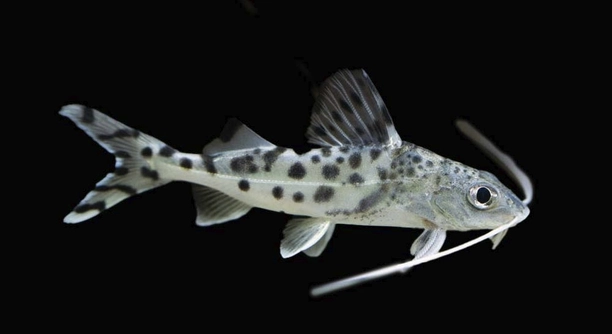
Are your pictus catfish showing signs of being overly dominant in your aquarium? This behavior can disrupt the balance among tank mates and create stress. Managing dominance early helps maintain a peaceful and healthy environment for all fish.
To control overly dominant pictus catfish, reduce overcrowding and provide ample hiding spots. Adjust feeding routines to limit competition, and consider rearranging tank decorations to disrupt territorial claims. In severe cases, separating aggressive individuals may be necessary.
Understanding these steps will help you restore harmony in your tank and support the well-being of all aquatic inhabitants. Managing dominance ensures a better experience for both you and your fish.
Recognizing Dominant Behavior in Pictus Catfish
Pictus catfish are generally peaceful, but sometimes a few individuals become overly dominant. Signs include chasing other fish away from food or hiding spots, frequent fin-nipping, and aggressive territorial displays. This behavior often emerges in crowded tanks or when hiding spaces are limited. Dominant fish can stress others, leading to health problems or injury. Observing your tank regularly helps catch these behaviors early. Sometimes, dominance arises during feeding times when competition intensifies. Noticing who gets the most food and who stays hidden can indicate imbalance. It’s important to distinguish normal social hierarchy from harmful aggression. If dominance disrupts the tank’s harmony, adjustments should be made promptly. Ensuring a calm environment supports all fish and prevents lasting damage.
Early detection of dominance issues is key to maintaining a healthy community tank.
Keeping a close eye on your catfish’s interactions and body language helps you respond before problems escalate.
Adjusting Your Tank Setup
Adding more hiding spots and rearranging decorations can reduce territorial disputes among pictus catfish. These fish feel safer with plenty of places to retreat. Providing enough space between territories discourages aggressive behavior. Use caves, plants, or driftwood to create natural barriers. This can break up lines of sight and reduce tension. Also, avoid overcrowding by limiting the number of fish in your tank. Overcrowding increases stress and competition. Feeding small amounts more frequently can help reduce aggressive competition for food. Ensuring the tank is well-maintained with clean water supports overall fish health, which in turn reduces stress-related behaviors. These changes create a more balanced environment that encourages peaceful interactions.
When Separation Becomes Necessary
If dominance persists despite changes in the tank setup, separating aggressive pictus catfish may be the only option. Using a divider or moving the dominant fish to another tank can prevent harm to other fish. Separation is sometimes required to restore balance and reduce stress for all inhabitants. This measure should be temporary if possible, as pictus catfish enjoy social groups. While separated, monitor the fish for changes in behavior and health. Reintroducing them gradually may work if they calm down. If aggression continues, permanent separation may be necessary to protect the community. This step is often a last resort but important for the well-being of all tank mates.
Separation can help protect more vulnerable fish and restore peace in your aquarium.
It’s a practical solution when other adjustments fail to curb aggressive behavior.
Feeding Strategies to Reduce Aggression
Feeding pictus catfish in smaller, frequent portions helps reduce competition. Scatter food around the tank to give all fish access. Avoid overfeeding, which can cause water quality issues and increase stress.
Consistent feeding times create a routine that lowers tension during meals. Dominant fish tend to guard food sources, but spreading food helps others eat safely. Using sinking pellets or wafers ensures bottom feeders get their share. Watching your fish during feeding can reveal if any are being bullied away from food. Adjust portions and feeding spots as needed to keep peace.
Proper nutrition also supports the overall health of the fish, making them less likely to act out aggressively. A balanced diet strengthens their immune systems, which is essential in a community tank with multiple species.
Monitoring Tank Conditions
Stable water parameters are crucial to reducing stress-related aggression in pictus catfish. Regular testing for ammonia, nitrites, nitrates, pH, and temperature helps maintain a healthy environment. Fluctuations in these can trigger erratic behavior, including dominance and aggression.
Cleaning the tank and performing partial water changes keeps water quality high. Stress from poor water conditions can increase irritability among fish. Proper filtration and aeration improve oxygen levels, which supports calm behavior. A well-maintained tank reduces the chance of territorial disputes caused by discomfort. Monitoring conditions closely allows for early intervention before aggressive behavior worsens. Maintaining a peaceful environment benefits all aquatic life in your care.
Introducing Tank Mates Carefully
Choosing compatible tank mates can reduce dominance issues. Avoid aggressive or overly shy fish that may trigger stress. Pictus catfish do best with peaceful, similarly sized species.
Tank mates that occupy different levels of the tank help minimize competition. Bottom dwellers, mid-level swimmers, and surface fish can coexist with fewer conflicts.
Using Visual Barriers
Placing plants or decorations strategically can break lines of sight. This limits aggressive behavior by reducing direct confrontations.
Visual barriers create safe zones where less dominant fish can retreat. This simple step helps maintain peace without separating fish.
Regular Observation
Frequent monitoring allows early detection of behavioral changes. Noticing shifts in aggression or stress helps prevent escalation.
Keeping a log of behaviors and tank conditions supports better management and quicker response to dominance problems.
FAQ
Why are my pictus catfish becoming dominant all of a sudden?
Dominance in pictus catfish often appears due to overcrowding, limited hiding spaces, or competition for food. Stressful tank conditions like poor water quality can also increase aggressive behavior. Changes in tank setup or new additions can disrupt established social order, causing some fish to assert dominance to secure territory or resources.
How can I tell if dominance is harmful or just normal behavior?
Some level of hierarchy is natural in fish groups. Harmful dominance involves constant chasing, fin-nipping, and preventing others from eating or resting. If you notice injured fish, persistent hiding, or loss of appetite, the dominance is likely causing stress and harm. Regular observation helps differentiate normal social behavior from problematic aggression.
Can I prevent dominance by keeping fewer pictus catfish?
Yes, reducing the number of pictus catfish can lower competition. These fish prefer groups but too many in a small tank increase stress and fighting. A spacious tank with a suitable group size (5–7 individuals) balances social needs without overcrowding, which reduces chances of one fish becoming overly aggressive.
Will adding more hiding spots solve dominance issues?
Adding hiding spots helps reduce aggression by breaking visual contact and providing refuge for shy or less dominant fish. This encourages peaceful interactions and reduces territorial disputes. However, if dominance is severe, hiding spots alone may not fully resolve the problem and additional measures might be necessary.
Is it okay to separate dominant pictus catfish permanently?
Separation should be a last resort but sometimes necessary to protect other fish. Pictus catfish are social animals and thrive in groups, so permanent isolation can affect their well-being. Use separation temporarily if possible and monitor behavior before reintroducing. If aggression persists, permanent separation might be best to maintain tank harmony.
How does feeding affect dominance behavior?
Competition for food can increase dominance behaviors as fish guard their feeding areas. Feeding smaller amounts more frequently and scattering food helps reduce competition. Providing sinking pellets ensures bottom feeders get food, lowering stress and aggression. Watching feeding times allows adjustments to prevent bullying.
Can water quality influence dominance?
Poor water quality causes stress and can trigger aggressive behavior. High ammonia, nitrite, or nitrate levels affect fish health, making them more irritable. Maintaining stable parameters, performing regular water changes, and using proper filtration keep fish calm and reduce dominance-related stress.
What tank mates work best with pictus catfish?
Peaceful fish of similar size that occupy different tank levels are best companions. Avoid aggressive or very shy species, as these can trigger stress or provoke fights. Good tank mates include tetras, rasboras, and certain cichlids that are not territorial. Proper tank mate selection helps minimize conflict and dominance.
How often should I monitor my tank for dominance issues?
Daily observation during feeding and general activity is ideal. Watching how fish interact helps catch early signs of dominance or bullying. Keeping notes on behavior changes or injuries supports timely intervention before problems escalate, ensuring a balanced tank environment.
Are there any natural ways to reduce dominance besides rearranging the tank?
Regular feeding routines, consistent water quality maintenance, and careful tank mate selection naturally reduce stress and aggression. Ensuring a stable environment helps fish feel secure and less likely to compete aggressively. Sometimes adding gentle water flow or dimmer lighting can also calm overly dominant fish.
Final Thoughts
Managing overly dominant pictus catfish requires patience and careful observation. These fish are social by nature, but when one becomes aggressive, it can disrupt the entire tank. The key is to maintain a balanced environment where all fish feel secure. Providing enough space, hiding spots, and proper nutrition can reduce competition and aggressive behavior. Sometimes, small changes in the tank setup can make a big difference. Rearranging decorations or adding plants gives shy fish places to retreat and helps break up territories. This simple step often lowers tension and allows all fish to coexist more peacefully.
Feeding habits also play an important role in controlling dominance. Feeding your fish small amounts more frequently and scattering food across the tank can reduce fights during meal times. Dominant fish tend to guard food sources, which can leave others stressed and hungry. Using sinking pellets or wafers helps bottom dwellers get their share without confrontation. Watching your fish during feeding is important to spot if any are being bullied or excluded. Adjusting feeding strategies based on what you observe can improve harmony in your aquarium and keep all your fish healthy.
If aggressive behavior continues despite these changes, separating dominant individuals might be necessary. This should be a last resort because pictus catfish do best in groups. Temporary separation can calm down aggressive fish and give others a chance to recover. If reintroducing the fish is not possible without renewed fighting, permanent separation may be required to protect the health of the entire community. Regular water testing and maintaining stable tank conditions are also vital. Stress from poor water quality often increases aggression, so keeping the tank clean and well-filtered supports peaceful behavior. With consistent care and attention, it is possible to manage dominance and enjoy a balanced, healthy aquarium.

Hello,
If you enjoy the content that we create, please consider saying a "Thank You!" by leaving a tip.
Every little bit helps us continue crafting quality advice that supports the health, happiness, and well-being of pets around the world, for pets of all shapes, sizes, and species.
We really appreciate the kindness and support that you show us!