
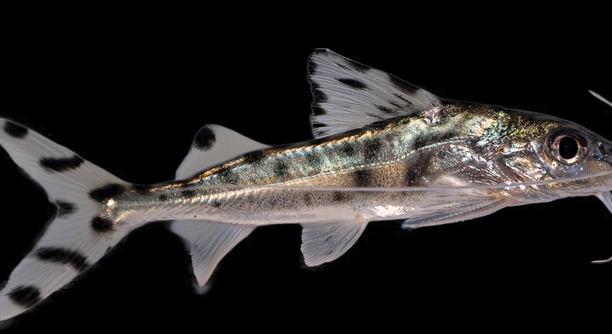
Have you ever watched your pictus catfish dart across the tank and wondered what makes this little fish so unique and fun?
The pictus catfish is a freshwater species known for its whisker-like barbels, energetic swimming, and peaceful temperament. Despite being popular in home aquariums, many owners are unaware of its unique sensory abilities, social behavior, and environmental preferences.
From surprising survival skills to fascinating communication habits, these facts reveal why pictus catfish are more than just another pretty fish in the tank.
They Use Their Barbels to “See” in the Dark
The pictus catfish has long barbels, which look like whiskers, that help it sense its surroundings. These barbels are covered in sensory cells that pick up vibrations and chemicals in the water. Because pictus catfish are nocturnal, their barbels act like extra eyes in low-light conditions. They rely on them to navigate, locate food, and interact with objects or other fish. In murky waters or dim tanks, this built-in sensory system is key to their survival. It helps them avoid predators, detect movement, and understand where they are. Their barbels are also very sensitive to temperature changes, which is useful in keeping them comfortable and aware of environmental shifts. These features make the pictus catfish a very capable swimmer, even when visibility is limited. Owners may notice their catfish darting around confidently at night—that’s thanks to those special whiskers doing their job well, even when the tank lights are off.
Their barbels are always active, scanning the tank for changes in the water and nearby motion.
Even though they have eyes, pictus catfish rely more on their barbels for daily life. These organs keep them safe, alert, and able to explore freely in low-light tanks or dark waters.
They’re Fast Swimmers and Love Space
Pictus catfish move quickly and enjoy open space, which is why they’re always active in a roomy tank.
These fish are built for speed. With a slender body and smooth movement, the pictus catfish glides through water like it’s second nature. Unlike slower fish that prefer to stay near one spot, the pictus catfish roams. It does best in long tanks with room to swim from end to end. In smaller tanks, they can become stressed or agitated due to a lack of space to move freely. When confined, their constant movement may even cause them to bump into glass or decorations. This behavior isn’t just playful—it’s their natural way of exploring and staying active. They also enjoy hiding places like rocks or driftwood, but they always return to swimming. Owners often describe them as “busy” or “always on the move.” A tank of at least 55 gallons is recommended to keep a pictus catfish healthy and calm. Adding more space, good filtration, and soft lighting helps them thrive. Watching them zip across the tank is not only entertaining but also a sign they’re content. Their need for space is often overlooked, but it makes a big difference in their overall behavior and health.
They’re More Social Than You Think
Pictus catfish often prefer being in small groups rather than living alone. In a tank with at least three, they show calmer and more natural behavior.
When pictus catfish are kept alone, they can become skittish and hide more often. In a group, they feel more secure and are likely to explore the tank together. While they are not schooling fish in the strictest sense, they do enjoy the company of their own kind. Group living helps reduce stress, encourages activity, and even improves feeding habits. A peaceful community tank with other non-aggressive fish is ideal. It’s best to add them all at once to prevent territorial behavior. Owners sometimes worry about aggression, but that usually comes from stress or a lack of space. When kept properly, pictus catfish are friendly and peaceful swimmers. Watching them interact adds life to your aquarium in a quiet, enjoyable way.
They may chase one another briefly, but this is rarely harmful. It’s often playful behavior or related to food. A group of three to five is ideal if your tank can support the extra bio-load. Keep hiding spots and open swimming space balanced, and your pictus catfish will remain social, healthy, and active.
They’re Noisy in Their Own Way
Pictus catfish can produce clicking sounds using their pectoral fins. These sounds are usually heard during feeding or when they feel startled or excited.
These sounds are not loud, but they are noticeable if the room is quiet or if your ear is near the tank. The noise is made by rubbing parts of their pectoral fins together, a behavior known as stridulation. This sound helps them communicate with other fish or express discomfort. Though it’s not harmful, it’s a sign to check tank conditions if they’re clicking frequently. These clicks might also occur when introducing new fish or during water changes. While not every owner hears them, the sound is real and worth noting. It adds another layer to their behavior that makes them stand out. For those who pay attention, this simple sound reveals how observant and reactive pictus catfish can be in their environment.
They’re Sensitive to Medication
Pictus catfish have no scales, which makes them more sensitive to certain medications used in freshwater tanks. Always check labels before treating your tank.
Avoid copper-based treatments, as these can be too harsh for scaleless fish. Use half doses when unsure, and monitor their behavior closely.
Their Patterns Are All Unique
Each pictus catfish has its own spot pattern, like a fingerprint. While they all share a silver body and dark spots, the placement and size of those spots vary. Some have more defined markings, while others appear more scattered. These spots can change slightly with age or stress, but their pattern remains individual. This uniqueness makes them easy to identify in a group, especially once you become familiar with each fish. Observing their markings over time can help track their health or detect early signs of stress. Watching them grow and change, spot by spot, creates a simple bond that many owners enjoy.
They Don’t Eat Algae
Pictus catfish are not algae eaters. They prefer protein-rich foods like bloodworms, shrimp, and sinking pellets designed for carnivores.
What do pictus catfish eat?
Pictus catfish mainly eat protein-based foods. Their diet should include sinking pellets, frozen or live bloodworms, brine shrimp, and small pieces of fish or shrimp. They are bottom feeders and prefer food that sinks quickly. While they may nibble on some plant matter, they are not herbivores and need protein to stay healthy. Feeding them once or twice daily in small amounts helps avoid overfeeding and keeps the tank clean. It’s best to vary their diet to provide balanced nutrition and keep them interested during feeding time.
How big do pictus catfish get?
Pictus catfish typically grow to about 4 to 5 inches in length when fully mature. In some cases, they can reach up to 6 inches, but this is less common. Their size requires a tank of at least 55 gallons to ensure they have enough swimming space. Smaller tanks can stress them and limit their natural behavior. Proper tank size is important not just for their physical growth but also for their overall well-being and activity levels.
Are pictus catfish aggressive?
Pictus catfish are generally peaceful and not aggressive toward other fish. They are shy but social with their own species when kept in groups. Aggression can sometimes appear if the tank is overcrowded or space is limited. They may also chase smaller fish during feeding but usually do not cause harm. Providing enough space and proper tank mates reduces any aggressive tendencies.
Can pictus catfish live with other fish?
Yes, pictus catfish do well in community tanks with other peaceful fish. They prefer tank mates that are not aggressive or overly territorial. Avoid housing them with very small fish that might be seen as prey, or very large aggressive fish that could stress them. Ideal companions include tetras, barbs, danios, and other non-aggressive species. Always monitor new introductions closely to ensure harmony.
How often should I clean the tank with pictus catfish?
Regular tank maintenance is important. Perform partial water changes of about 20-30% weekly to keep water quality high. Pictus catfish are sensitive to poor water conditions. Clean the substrate gently to remove excess waste but avoid disturbing beneficial bacteria. Filter maintenance should be done monthly, but avoid cleaning all filter media at once to preserve helpful microorganisms.
What water conditions do pictus catfish need?
Pictus catfish thrive in water temperatures between 75°F and 80°F (24°C–27°C). They prefer slightly acidic to neutral pH levels, around 6.5 to 7.5. Soft to moderately hard water suits them best. Consistent temperature and stable water parameters are important to reduce stress and disease risk. A good filtration system and aeration keep the water oxygen-rich and clean, which supports their health.
Do pictus catfish need hiding spots?
Yes, pictus catfish appreciate having places to hide. They are naturally cautious and use hiding spots like caves, driftwood, or dense plants to feel secure. Hiding areas help reduce stress and mimic their natural environment. Even with plenty of swimming space, providing at least a few sheltered spots improves their comfort and behavior.
How long do pictus catfish live?
Pictus catfish typically live between 8 and 10 years with proper care. Good water quality, a balanced diet, and a suitable tank environment contribute to a long lifespan. Avoiding stress and disease also helps them reach their full potential age. Regular observation can help spot early signs of illness, which improves chances for effective treatment.
Are pictus catfish difficult to breed in home aquariums?
Breeding pictus catfish in home tanks is rare and challenging. They need specific water conditions and often require seasonal changes like cooler water or increased flow to trigger spawning. They lay eggs on flat surfaces, but parents do not protect the eggs, so fry survival rates are low without intervention. Breeding is usually attempted by experienced hobbyists or professionals due to these difficulties.
Can pictus catfish live in planted tanks?
Yes, pictus catfish adapt well to planted tanks as long as there is enough open swimming space. Live plants provide additional hiding spots and improve water quality. However, strong lighting or delicate plants might be disturbed by their active swimming. Choosing hardy plants and balancing decorations keeps the tank healthy for both plants and fish.
Pictus catfish are an interesting addition to many freshwater aquariums. Their unique features, such as sensitive barbels and quick movements, set them apart from other fish. They are not just attractive but also active and social, especially when kept in groups. Understanding their behavior and needs can make caring for them easier. They require enough space to swim, proper water conditions, and a diet rich in protein. When these needs are met, pictus catfish tend to be healthy and lively. Their individuality, shown through unique spot patterns and special behaviors, can create a rewarding experience for fishkeepers.
Taking care of pictus catfish also means paying attention to their environment. Since they lack scales, they are more sensitive to medications and water quality changes. Tank maintenance, including regular water changes and careful use of treatments, is essential. Pictus catfish also appreciate hiding spots and prefer peaceful tank mates, which helps reduce stress. Observing their behavior closely helps identify any health or environmental issues early on. Their active swimming and gentle social habits make them an engaging fish to watch, but these traits depend heavily on good care and a suitable tank setup.
Overall, pictus catfish offer more than just their appearance. Their sensory abilities, social nature, and specific needs make them a unique fish to care for. Although they are not the easiest species to keep, understanding their habits can improve their well-being and lifespan. Providing the right environment and diet ensures they remain active and healthy. For those willing to meet their needs, pictus catfish bring life and interest to a community aquarium. Their behaviors and traits invite fishkeepers to appreciate the diversity of aquatic life beyond just looks.

Hello,
If you enjoy the content that we create, please consider saying a "Thank You!" by leaving a tip.
Every little bit helps us continue crafting quality advice that supports the health, happiness, and well-being of pets around the world, for pets of all shapes, sizes, and species.
We really appreciate the kindness and support that you show us!