
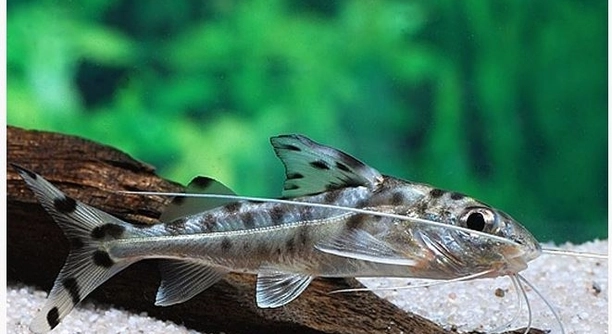
Many people enjoy keeping pictus catfish as pets because of their unique look and peaceful nature. However, these fish need specific conditions to stay healthy and active. Recognizing early signs of stress or illness is important for their well-being.
Pictus catfish exhibit several early warning signs when they are not thriving, such as reduced activity, poor appetite, clamped fins, discoloration, abnormal swimming patterns, excessive hiding, and rapid breathing. Monitoring these symptoms closely helps in timely intervention and care.
Identifying these signs early can help you maintain a healthy environment for your pictus and prevent serious health problems. The following points explain the key warnings to watch for.
Reduced Activity and Lethargy
When your pictus catfish starts moving less or seems unusually tired, it may be a sign that something is wrong. These fish are usually active swimmers, exploring their tank and searching for food. A sudden drop in activity can indicate stress, poor water quality, or illness. It’s important to watch for this behavior early on because it often precedes more serious health problems. Sometimes, lethargy happens when the water temperature is not ideal or if the tank is overcrowded. Ensuring the tank environment meets the fish’s needs can help prevent these issues. Regular water changes and checking the filter system will keep the water clean and oxygenated, which supports healthy activity levels.
Low energy in your pictus is a clear signal to check water conditions and overall tank health.
Keeping an eye on your fish’s activity will help you catch problems early. If you notice lethargy, test the water for ammonia, nitrite, and nitrate levels. Adjusting temperature and maintaining a clean tank environment can bring your pictus back to its lively self. Consider tank mates as well, since aggressive fish may cause stress and reduce activity. Proper feeding and avoiding overfeeding also contribute to healthy energy levels.
Poor Appetite and Refusal to Eat
Loss of appetite is a common warning sign that your pictus catfish is not doing well. When they stop eating or eat less than usual, it can be linked to stress, illness, or poor water conditions. This change is important to note early because it can weaken the fish quickly. Poor feeding habits might also result from sudden changes in the tank, such as new fish, changes in temperature, or water chemistry. Monitoring your fish’s eating habits daily helps you catch this sign before it leads to bigger problems. Offering varied and high-quality food can encourage eating, but if the appetite does not return, further investigation is needed.
Clamped Fins
Clamped fins happen when your pictus holds its fins close to the body instead of spreading them out. This behavior often shows discomfort or stress. It’s a visible sign that something in their environment is not right.
Clamped fins can be caused by poor water quality, sudden temperature changes, or illness. When the fish feels unsafe or unwell, it tightens its fins to protect itself. This reduces movement and can affect swimming. It’s important to test water parameters like pH, ammonia, nitrites, and nitrates if you notice clamped fins. Correcting any imbalance can help your pictus relax and regain normal fin position.
If clamped fins persist, your fish may be fighting an infection or parasites. Consider quarantining the fish and treating the tank if necessary. Keeping the tank clean and stable reduces stress and supports recovery.
Discoloration and Pale Color
Discoloration or fading color is another warning sign that your pictus catfish may not be thriving. Healthy pictus have a clear pattern and bright colors. When these colors fade or the skin looks pale, it may indicate stress or illness. This change is often linked to poor water conditions or nutritional deficiencies.
The fish’s color can fade due to water quality problems like high ammonia or low oxygen. Stress from overcrowding, aggressive tank mates, or frequent disturbances may also cause this issue. Sometimes, illness or parasites affect the skin, resulting in discoloration. Observing these changes early is important to act quickly.
Providing a balanced diet rich in nutrients can help maintain your pictus’s color. Regular water testing and maintenance are essential. Improving the tank environment and reducing stress factors will help your fish regain its natural appearance. If discoloration continues, consult an expert for possible medical treatment.
Abnormal Swimming Patterns
Abnormal swimming, such as erratic movements or difficulty staying balanced, is a clear sign of distress. Pictus catfish normally swim smoothly along the tank bottom or mid-level, so any change should be noted immediately.
This behavior can result from poor water quality, infections, or physical injury. If the fish struggles to swim straight or floats upside down, it may have swim bladder issues. Stress from sudden changes in the environment can also cause unusual swimming.
Excessive Hiding
When your pictus hides more than usual, it could mean they are stressed or sick. These fish prefer hiding spots but excessive hiding often signals discomfort or fear.
Hiding too much can be caused by poor water conditions, aggressive tank mates, or illness. Observing their normal behavior will help you recognize when hiding becomes a problem.
Rapid Breathing
Rapid breathing in pictus catfish is a warning sign that they may be struggling with oxygen levels or respiratory issues. This can be caused by poor water quality or infections.
Excessive Hiding Continued
Excessive hiding also reduces your fish’s activity and appetite, worsening their health. Making sure the tank has proper water parameters and peaceful tank mates encourages your pictus to feel safe and active again.
How can I improve water quality for my pictus catfish?
Improving water quality starts with regular water changes. Replacing 20-30% of the tank water weekly helps keep toxins like ammonia and nitrites low. Using a good water conditioner to remove chlorine and chloramine from tap water is important. Maintaining a properly working filter ensures waste is removed efficiently. Testing water regularly for pH, ammonia, nitrites, and nitrates helps catch problems early. Keep the tank clean by removing uneaten food and debris. Avoid overcrowding the tank to reduce waste buildup and stress on the fish.
What is the ideal water temperature for pictus catfish?
Pictus catfish thrive in water temperatures between 75°F and 81°F (24°C to 27°C). Temperatures outside this range can stress the fish and weaken their immune system. Sudden changes in temperature are especially harmful. Using a reliable aquarium heater and thermometer can help maintain a stable environment. Avoid placing the tank near windows or drafts where temperature fluctuates.
Why is my pictus catfish hiding more than usual?
Excessive hiding usually signals stress or discomfort. This can be caused by poor water conditions, aggressive tank mates, or illness. Make sure the water is clean and stable, and check if any other fish are bullying your pictus. Adding more hiding spots or plants can reduce stress, but hiding should not be constant. Monitor your fish closely for other signs of sickness.
What should I feed my pictus catfish to keep it healthy?
A balanced diet with high-quality sinking pellets or wafers designed for bottom feeders is best. Supplement with live or frozen foods like bloodworms, brine shrimp, and daphnia for variety and extra nutrition. Avoid overfeeding as uneaten food pollutes the water and harms your fish. Feed small amounts once or twice daily and remove leftovers after a few minutes.
How can I tell if my pictus catfish is sick?
Look for changes in behavior such as lethargy, loss of appetite, clamped fins, or abnormal swimming. Physical signs include discoloration, spots, frayed fins, or rapid breathing. If your fish shows several of these symptoms, it may be sick. Testing water quality and improving tank conditions is the first step. If symptoms persist, seek advice from a vet or experienced aquarist.
Can tank mates affect my pictus catfish’s health?
Yes, aggressive or overly active fish can stress pictus catfish, causing hiding, loss of appetite, or injury. Choose peaceful species that share similar water requirements. Avoid larger or territorial fish. Providing enough space and hiding places helps reduce conflicts. Stress from bad tank mates weakens the immune system and increases the chance of illness.
How often should I clean my pictus catfish’s tank?
Partial water changes of 20-30% weekly are recommended. Clean the substrate gently to remove waste but avoid disturbing beneficial bacteria too much. Clean the filter monthly by rinsing filter media in tank water (not tap water) to preserve bacteria. Regular maintenance keeps the tank stable and supports your fish’s health.
What causes swim bladder issues in pictus catfish?
Swim bladder problems often come from poor diet, constipation, infections, or injury. Overfeeding or feeding dry, bulky foods can cause constipation, affecting buoyancy. Infections may cause swelling or damage to the swim bladder. Keeping a balanced diet, avoiding overfeeding, and maintaining good water quality reduce these risks. If swim bladder problems occur, fasting the fish for a day or feeding cooked, peeled peas may help. Medical treatment might be needed in severe cases.
How do I prevent stress in my pictus catfish?
Keep the tank environment stable with proper temperature, clean water, and suitable tank mates. Avoid sudden changes in lighting, temperature, or water chemistry. Provide hiding spots and enough space for swimming. Handle the fish gently and limit disturbances around the tank. Reducing stress strengthens your fish’s immune system and encourages healthy behavior.
Is quarantine necessary for new pictus catfish?
Yes, quarantining new fish before adding them to the main tank helps prevent disease introduction. A separate quarantine tank allows you to observe new arrivals for signs of illness and treat them if needed. This step protects your existing fish and keeps the aquarium healthy. A quarantine period of two to four weeks is recommended.
Taking good care of your pictus catfish means paying close attention to their behavior and environment. These fish show early signs when something isn’t right, like hiding too much, clamped fins, or loss of appetite. Recognizing these signs quickly can help prevent more serious problems. Maintaining clean water, stable temperature, and a peaceful tank environment are key to keeping your pictus healthy. Small changes in how your fish acts are often the first clues that they need your help.
Keeping the tank clean and testing the water regularly will protect your fish from stress and illness. Pictus catfish rely on good water quality to stay active and happy. Feeding them a balanced diet made for bottom feeders also supports their health. Avoid overfeeding, which can pollute the water and cause digestive problems. Choosing calm tank mates and providing places to hide helps reduce stress, which is important for their immune system. By watching for early warning signs and making adjustments, you give your pictus the best chance to thrive.
It’s important to act quickly if you notice your pictus isn’t doing well. Early intervention can mean the difference between a minor issue and a serious health problem. Regular maintenance and careful observation of your fish will help you catch problems early. Remember, a stable, clean tank and a good diet are the foundation of your pictus catfish’s health. With the right care and attention, your pictus can live a long, healthy life and be a rewarding part of your aquarium.

Hello,
If you enjoy the content that we create, please consider saying a "Thank You!" by leaving a tip.
Every little bit helps us continue crafting quality advice that supports the health, happiness, and well-being of pets around the world, for pets of all shapes, sizes, and species.
We really appreciate the kindness and support that you show us!