
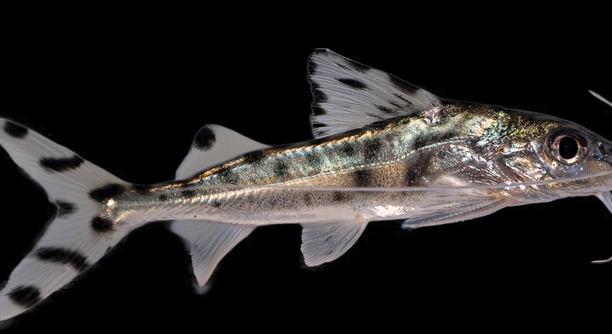
Do you ever find yourself wondering if your Pictus catfish tank might have just a bit too much going on? With plants, decorations, and hiding spots, it’s easy to go overboard without even realizing it. Creating a cozy space matters, but balance is key.
Overdecorating a tank for Pictus catfish can reduce swimming space, restrict natural movement, and interfere with water circulation. Excess clutter may also trap debris and increase maintenance, potentially impacting the fish’s health and overall tank environment.
Understanding how decorations affect behavior, water flow, and cleaning routines can help you make better choices for your Pictus catfish.
How Decorations Can Help or Harm Pictus Catfish
Pictus catfish enjoy a decorated tank with plenty of places to hide and explore. Decorations like caves, driftwood, and plants give them comfort and help reduce stress. These items create shadows and shelter, mimicking their natural environment. However, too many decorations can limit their swimming space. Pictus catfish are active swimmers, especially at night, and they need open areas to move around freely. When a tank is filled with too many objects, it can also block water flow and lead to uneven filtration. This makes it harder to keep the water clean and safe. In some cases, it can even trap waste, which may lead to health problems. Decorations with sharp edges can also injure their delicate barbels or fins. A well-planned tank should balance beauty and function. Adding the right amount of cover without blocking movement is the key to a healthy space for your Pictus catfish.
Think about how each piece in the tank affects movement, cleanliness, and comfort.
When setting up your tank, choose soft-edged, fish-safe items. Use caves or hollow logs for hiding spots, but leave space in the center of the tank for open swimming. Plants, both real and artificial, can be added around the edges. Don’t stack too many things or overcrowd the bottom of the tank. Aim for easy cleaning and good water flow. Avoid anything with sharp corners or small holes where a Pictus catfish might get stuck. Remember, these fish are fast and curious. They need space to zip around and explore safely. If you want to add more, remove something first to keep things balanced. A clean layout makes it easier to spot waste and maintain the filter. Most importantly, observe your fish. If they seem hesitant to swim or keep bumping into things, your tank may need adjustments. A healthy, active catfish is a sign of a well-decorated space.
Signs You May Have Overdecorated
If your fish are hiding constantly or bumping into objects, the tank might be too cluttered.
Too many decorations can create a cramped environment that causes stress in Pictus catfish. These fish enjoy exploring, but when objects take up most of the space, they often become inactive. You may notice them hiding more often or refusing to come out even during feeding times. Their swimming pattern can change, becoming slow or hesitant. They might even injure themselves by rubbing against or getting stuck in tight spots. Another sign is waste buildup. When decorations trap leftover food or waste, it becomes harder to clean, which can affect water quality. Poor water conditions can lead to fin rot or cloudy eyes. If your filter seems to be working harder or the tank looks dirty despite regular cleaning, take a look at how much you’ve added. Reducing clutter and improving layout can help your Pictus catfish stay healthy and active.
Finding the Right Balance for Your Tank
Too much décor can stress your Pictus catfish, but too little may leave them feeling exposed. The goal is to create a space where they feel secure but still have room to swim and stay active throughout the day and night.
Use decorations that serve a clear purpose. Caves and tunnels give Pictus catfish a place to rest, especially during the day when they prefer low light. Spread out items to keep the tank open in the center and prevent clutter from building up in one area. Avoid stacking objects or creating tight corners. Live or silk plants placed near the edges help keep them comfortable without crowding the swimming zone. Clean lines and intentional layout make your tank easier to maintain, and your fish will move more naturally. Always check that your design supports both hiding and swimming. This way, you help reduce stress while still keeping the tank interesting.
Make small changes and watch how your fish respond. If they start swimming more or seem more relaxed, you’re on the right track. A healthy Pictus catfish will explore the tank with ease and confidence. Check that the filter flow isn’t blocked and that all areas are easy to clean. If waste gathers behind decorations, remove or reposition them. Your tank should feel open, yet still offer comfort. Add lighting that isn’t too harsh, as Pictus catfish prefer dim conditions. If you’re using substrate, smooth gravel or sand works best to protect their barbels. Keep things steady—frequent changes can stress them out. Focus on giving them structure without excess. Watch your fish. They’ll show you what works.
Maintenance and Safety Tips
Inspect decorations regularly for damage or buildup. Replace anything that has sharp edges or collects too much debris over time, especially if it affects water quality or becomes difficult to clean during routine tank care.
Keep your tank’s design easy to manage. Choose decorations that can be removed and cleaned without disrupting the tank too much. Rinse new items before placing them in the tank, and avoid those with rough textures that may harm your Pictus catfish. Avoid hollow decorations with small holes—they can trap fish or waste. Soft plastic plants are a safer choice if you prefer artificial greenery. Make sure the filter isn’t blocked by anything you add, and keep an eye on your water parameters. Decorations should never replace proper tank maintenance. Clean surfaces where algae or waste may build up, and keep everything stable for your fish. A good layout makes cleaning easier and helps your fish stay healthy.
Common Mistakes to Avoid
Placing too many decorations in the center of the tank can block swimming space and disturb water flow. Keep the middle clear and arrange objects around the edges to help your Pictus catfish move freely without feeling boxed in.
Using rough or sharp decorations can injure their fins or barbels. Always check for smooth surfaces and avoid materials that can break or wear down easily over time. Damaged decorations can also collect waste, which affects water quality and cleaning.
When to Rearrange Your Tank
If your fish are hiding more than usual or swimming less, it may be time to make changes. Watch their behavior closely—sluggish movement, bumping into objects, or stress marks can all be signs the setup isn’t working. Rearranging can help create a better layout without starting from scratch. Focus on removing overcrowded spots and opening up swimming lanes. It’s okay to change one or two things at a time, especially if your tank has been stable for a while. Monitor water conditions after each adjustment to make sure the balance stays healthy.
Final Tip to Keep in Mind
Less can often be better when decorating a tank for Pictus catfish. Keep it simple, functional, and easy to clean.
FAQ
How many decorations are too many for a Pictus catfish tank?
There isn’t a set number, but if your catfish has limited swimming room, can’t swim in a straight line, or bumps into things often, it’s too much. A well-decorated tank has open space in the center and hiding areas around the edges. If you add something new, consider removing something else. Watch your fish—if they seem stressed, slow, or overly hidden, simplify the setup. Start with a few solid hiding spots and add only what helps create a calm, easy-to-clean space. Overcrowding can lead to waste buildup and poor water flow.
Do Pictus catfish need decorations at all?
Yes, Pictus catfish do better with hiding spots. They’re shy during the day and feel safer when they can tuck away. Without cover, they may become stressed or inactive. Simple decorations like caves, driftwood, and plants help them feel secure without making the tank too crowded. Even a few safe hiding spaces make a difference. Decorations also break up sight lines, which helps reduce anxiety in fish. Just be sure everything you use is smooth, stable, and easy to clean. Avoid placing things too close together or near the filter intake.
What kind of decorations work best for them?
Stick to smooth-edged caves, hollow logs, and driftwood. Silk or live plants around the sides add comfort without getting in the way. Avoid resin pieces with small holes, as Pictus catfish might try to squeeze in and get stuck. Choose decorations that rest securely on the substrate and won’t tip over when the fish rush by. Items that provide low lighting or create shaded areas are especially helpful since these fish like dim environments. Keep tall decorations in the back or corners to leave plenty of open swimming space in the middle.
Can overdecorating cause health problems?
Yes, overdecorating can lead to water quality issues if debris gets trapped behind or under items. This can increase ammonia and nitrite levels, which can make your fish sick. Overcrowded tanks also limit water flow, making it harder for the filter to work well. Poor water circulation can result in cold spots or dirty patches. Injuries from sharp or unstable decorations are also possible. If your Pictus catfish has torn fins, missing barbels, or cloudy eyes, check the tank for unsafe or excessive decor and clean up any waste buildup right away.
How often should I rearrange the decorations?
Only rearrange if there’s a clear reason—like signs of stress, injury, or trouble with tank maintenance. Pictus catfish do better in stable environments. Too many changes can stress them out. If needed, make small changes and observe how your fish respond. Look for signs of improvement in activity, swimming, and comfort. Rearranging for cleaning is fine, but avoid full re-designs unless the current layout isn’t working. Stability is just as important as function. Always test water quality after changes to make sure nothing has been disrupted in the process.
Are floating decorations or toys a good idea?
No, floating toys or decorations usually aren’t helpful for Pictus catfish. These fish are bottom dwellers and prefer shaded, grounded spaces. Floating items can block light, interfere with the surface filter intake, or even fall and startle the fish. Instead, focus on bottom-based items that offer structure and cover. Decorations with suction cups or those that attach firmly are more secure. Avoid anything that moves around easily, as sudden shifts in the tank can stress your fish or lead to minor injuries if they dart away too fast.
Can lighting affect how decorations impact the fish?
Yes, lighting matters. Bright lighting can increase stress in Pictus catfish, especially if there’s not enough cover. Decorations that create shaded areas help them feel safe. Overdecorating can sometimes block too much light, which affects live plants or disrupts day-night rhythm. Try using dim lighting with a few shaded hiding spots. Avoid strong lights unless your tank has lots of plant cover to soften it. If your fish hides all day or becomes overly jumpy when the lights are on, consider both the intensity of the light and how it interacts with the tank layout.
Final Thoughts
Decorating a tank for your Pictus catfish can be a fun and rewarding part of fishkeeping. These fish enjoy having places to hide and feel secure, but they also need plenty of space to swim freely. It’s easy to get carried away with decorations, especially when trying to make the tank look nice. But when there are too many items, it can affect water flow, cleaning routines, and even your fish’s health. Decorations should support the natural behavior of your catfish, not get in the way of it. Keeping things simple and functional is often the best approach.
Focus on choosing items that serve a purpose—like smooth rocks, driftwood, and safe hiding spots. Spread decorations around the edges and leave the center of the tank open. This gives your Pictus catfish space to move and reduces stress. If you notice your fish hiding more than usual, swimming less, or getting small injuries, take a closer look at your setup. These may be signs that the tank is too crowded or not laid out properly. Small adjustments can make a big difference. You don’t need to remove everything—just focus on balance. Keep the layout easy to clean and make sure water can flow through all parts of the tank.
In the end, your Pictus catfish will show you what works. Active swimming, good appetite, and calm behavior are signs of a healthy and happy fish. Decorations should help create that kind of environment, not get in the way of it. There’s no perfect number of plants or caves, but your fish’s behavior will guide you. Think about how each piece in the tank affects movement, comfort, and cleanliness. A well-decorated tank is not the most crowded one—it’s the one where your fish can thrive. Keep observing, make small changes when needed, and always prioritize the needs of your Pictus catfish.

Hello,
If you enjoy the content that we create, please consider saying a "Thank You!" by leaving a tip.
Every little bit helps us continue crafting quality advice that supports the health, happiness, and well-being of pets around the world, for pets of all shapes, sizes, and species.
We really appreciate the kindness and support that you show us!