
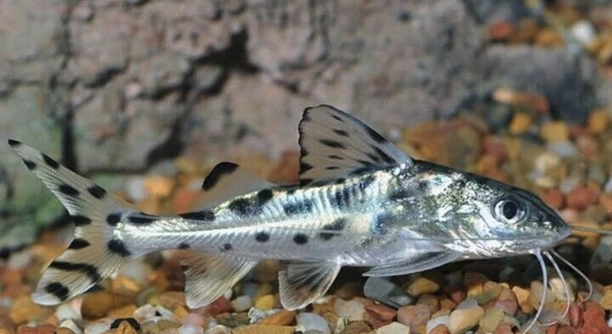
Managing a high-energy pictus can be both challenging and rewarding. These lively fish require careful attention to their environment and daily routine to keep them healthy and happy. Proper care helps reduce stress and encourages natural behavior.
Successful management of a high-energy pictus involves providing ample swimming space, maintaining clean water conditions, offering a balanced diet, and ensuring regular stimulation through environmental enrichment. These measures support the fish’s physical health and mental well-being.
Learning how to create the right habitat and routine will make caring for your pictus easier and more enjoyable. This article offers practical tips to help you achieve that balance.
Create a Spacious Environment
High-energy pictus need plenty of room to swim freely. A small tank can cause stress and limit their natural activity. Aim for a tank size of at least 30 gallons for a few pictus. Include open swimming areas as well as hiding spots with plants or decorations. This setup allows them to explore and feel secure. Avoid overcrowding by limiting the number of fish. Clean water and good filtration are also essential because high activity can increase waste buildup. Regular water changes help maintain healthy water quality. By giving your pictus enough space, you support their physical health and reduce aggressive behavior. A well-planned tank keeps your fish lively and comfortable.
Providing a spacious tank improves your pictus’ movement and reduces stress, which promotes better health and longer life.
Ensuring the right tank size and layout helps your pictus swim naturally and avoid conflict. They will be more active and show healthier behavior when their environment suits their needs.
Maintain Consistent Water Quality
Keeping the water clean and stable is key to managing high-energy pictus. Sudden changes in temperature or water chemistry can upset them quickly. Monitor ammonia, nitrite, and nitrate levels regularly. Use a reliable filter and perform weekly water changes around 20-30%. Stable pH levels between 6.5 and 7.5 suit pictus best. Avoid overfeeding to reduce waste buildup. Adding live plants can help absorb toxins and improve oxygen levels. These steps keep the water safe and reduce fish stress. Healthy water encourages natural activity and vibrant coloration. Consistent maintenance prevents illness and promotes longevity.
Proper water care is critical for maintaining a healthy, active fish. It supports their energy levels and prevents common diseases caused by poor water conditions.
Provide a Balanced Diet
A balanced diet is essential for your high-energy pictus to stay healthy and active. Feeding them high-quality flakes or pellets designed for catfish is a good base. Supplement their diet with live or frozen foods like bloodworms or brine shrimp.
Variety in their diet supports proper growth and energy levels. Overfeeding can cause poor water quality, so offer small portions twice a day. Including occasional vegetables such as blanched zucchini or cucumber can provide extra nutrients and fiber. Avoid feeding only one type of food to prevent nutritional gaps. Feeding a balanced diet helps maintain their energy without causing digestive issues or water problems.
Pictus are natural scavengers and appreciate sinking food that reaches the tank bottom. Observing their eating habits helps adjust feeding amounts and ensures all fish get enough nutrition without leftover waste.
Enrich Their Environment
Adding plants, rocks, and hiding spots makes your pictus’ habitat more stimulating. These features mimic their natural environment and encourage exploration. Use smooth decorations to prevent injury. Open spaces should be balanced with cover where they can rest safely.
Regular changes in the tank layout can keep them curious and engaged. This reduces boredom, which can lead to stress or aggression. Some gentle water flow can also provide mental stimulation. Avoid overcrowding decorations, as pictus need space to swim freely. A varied environment supports their natural behaviors and well-being.
Environmental enrichment promotes a balanced lifestyle for your fish, keeping them mentally sharp and physically active. This contributes to a healthier, more vibrant aquarium community.
Monitor Their Behavior Regularly
Watching your pictus daily helps catch any signs of stress or illness early. Sudden changes in activity or appetite can indicate problems. Being attentive allows quick responses to health issues.
Consistent observation also helps you understand their normal behavior. This knowledge makes it easier to spot when something is off.
Keep Compatible Tank Mates
Choosing peaceful tank mates prevents aggression and competition. Avoid aggressive or overly active fish that may stress your pictus. Good companions include other calm species that share similar water needs.
A balanced community tank reduces conflict and supports a healthy environment for all fish.
Avoid Overcrowding
Too many fish in one tank causes stress and poor water quality. Keeping the population low ensures your pictus have enough space and resources.
This simple step helps maintain a peaceful and healthy aquarium.
FAQ
How often should I feed my high-energy pictus?
Feeding twice a day is usually enough. Offer small amounts that your pictus can finish within a few minutes. Overfeeding leads to leftover food that pollutes the tank and harms water quality. Adjust portions based on their appetite and tank size.
What is the ideal tank size for high-energy pictus?
A tank of at least 30 gallons is recommended for a small group. They need plenty of swimming space and hiding spots to feel secure. Larger tanks reduce stress and support their active nature. Overcrowding can cause aggression and health issues.
Can pictus live with other fish?
Yes, but choose peaceful, compatible species. Avoid aggressive or territorial fish that could stress your pictus. Good tank mates include small tetras, rasboras, and other calm community fish. Always consider similar water requirements when mixing species.
How often should I change the water?
Weekly water changes of 20-30% help maintain clean and stable water conditions. This supports your pictus’ health and energy. Regular water changes reduce toxins and waste buildup, preventing illness and stress.
What temperature is best for pictus catfish?
Maintain water temperature between 75°F and 82°F (24°C to 28°C). This range suits their natural tropical habitat and keeps them active. Avoid sudden temperature changes, which can stress your fish.
Are live plants necessary for a pictus tank?
Live plants are not required but beneficial. They improve water quality by absorbing toxins and provide hiding spots. Plants also help maintain oxygen levels. If you use live plants, choose hardy varieties that tolerate the tank conditions.
How do I know if my pictus is stressed?
Signs of stress include reduced activity, hiding more than usual, loss of appetite, or faded colors. Rapid breathing or erratic swimming can also indicate problems. Stress often results from poor water quality, overcrowding, or incompatible tank mates.
Can pictus eat vegetables?
Yes, they can eat small amounts of blanched vegetables like zucchini or cucumber. These provide extra nutrients and fiber. Vegetables should be given occasionally, not as a main diet, to keep their nutrition balanced.
What type of filter is best for a pictus tank?
A filter that provides good mechanical, biological, and chemical filtration is ideal. Canister or hang-on-back filters work well. The filter should handle the tank’s volume and maintain clean water without strong currents that could tire the fish.
Is it normal for pictus to be very active at night?
Yes, pictus catfish are mostly nocturnal or crepuscular. They tend to be more active during low light or nighttime hours. Providing hiding spots and a calm environment during the day helps balance their activity cycle.
How can I prevent aggression in a pictus tank?
Maintain proper tank size and avoid overcrowding. Provide enough hiding spaces to reduce territorial disputes. Choose peaceful tank mates and keep a balanced feeding schedule. Observing behavior regularly helps catch early signs of aggression.
Can pictus live alone?
Pictus are social fish and prefer groups of at least three. Keeping them alone can cause stress and unusual behavior. A small group encourages natural interaction and reduces anxiety.
How long do pictus catfish usually live?
With proper care, pictus can live around 8 to 10 years. Good water quality, a balanced diet, and a stress-free environment contribute to their longevity. Regular tank maintenance helps ensure a long, healthy life.
What should I do if my pictus stops eating?
Loss of appetite can indicate illness or poor water conditions. Check water parameters and make any needed changes. Isolate the fish if you suspect disease. Offering live or frozen foods might stimulate their appetite.
Are pictus catfish good for beginners?
They require some experience due to their activity level and water quality needs. Beginners should be ready to maintain a stable tank environment. With proper care, pictus can be rewarding pets that add energy to a community tank.
Managing a high-energy pictus requires attention to their specific needs but can be very rewarding. These fish thrive when given enough space to swim and a well-maintained environment. A clean tank with stable water quality is essential to keep them healthy and active. It’s important to remember that pictus catfish are social creatures who do best in groups, so providing companions helps them feel secure. Taking time to observe their behavior daily allows you to catch any potential issues early, ensuring they stay happy and energetic.
Feeding your pictus a balanced diet supports their natural activity and overall health. They benefit from a variety of foods, including high-quality flakes or pellets, live or frozen protein sources, and occasional vegetables. Overfeeding should be avoided because it can lead to poor water quality and health problems. Maintaining proper feeding routines along with regular water changes and filtration creates a stable environment that your fish will thrive in. Also, enriching their habitat with plants, decorations, and hiding spots encourages natural behavior and reduces stress.
By following these key care practices, you can enjoy watching your high-energy pictus flourish. Their lively nature adds a dynamic presence to your aquarium. Though they require consistent care, the effort pays off in a healthy, active fish that displays vibrant colors and natural behaviors. Whether you are new to caring for pictus or have experience, focusing on their environment, diet, and social needs will help you maintain a balanced and enjoyable aquarium. This approach ensures your pictus live long, healthy lives while bringing energy and interest to your tank.

Hello,
If you enjoy the content that we create, please consider saying a "Thank You!" by leaving a tip.
Every little bit helps us continue crafting quality advice that supports the health, happiness, and well-being of pets around the world, for pets of all shapes, sizes, and species.
We really appreciate the kindness and support that you show us!