
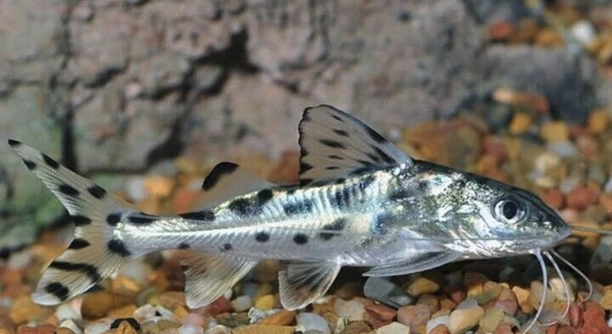
Are you interested in how Pictus Catfish behave beyond your home aquarium? These fish are known for their energetic nature, often admired for their quick movements and playful antics. Their activity level in natural settings is equally intriguing.
Pictus Catfish remain active in the wild, displaying similar energetic behavior as seen in captivity. Their activity supports foraging and predator avoidance, critical for survival in diverse freshwater environments across Southeast Asia. These behaviors contribute to their adaptability and ecosystem roles.
Exploring their wild activity gives a clearer picture of their natural habits and helps improve care in home tanks. This understanding deepens appreciation for their behavior in any environment.
Natural Habitat of Pictus Catfish
Pictus Catfish live in the freshwater rivers and streams of Southeast Asia, primarily in Indonesia. These environments have plenty of hiding spots, such as submerged roots and rocks, which help the fish feel secure. The water in their habitat is usually clear to slightly murky and flows gently to moderately fast. This current encourages their active swimming style. In the wild, Pictus Catfish are mostly nocturnal, becoming more active at dusk and during the night when they search for food. Their diet consists of small insects, crustaceans, and plant matter found along the riverbed. Their natural habitat requires them to be alert and quick to avoid predators. This constant activity and alertness explain why they often seem so lively in aquariums. Understanding these conditions helps recreate a better environment for them in captivity, supporting their natural behaviors and health.
Pictus Catfish thrive in clean, flowing water with plenty of places to hide and forage.
Creating a tank that mimics these conditions can reduce stress and encourage natural activity. Providing gentle currents and hiding spots like plants and rocks helps these fish feel safe. Lighting that follows their nocturnal pattern can also promote natural behaviors, making them more lively and healthy in your care.
Behavior Differences Between Wild and Captive Pictus Catfish
In captivity, Pictus Catfish often show more frequent activity during the day, partly due to a controlled environment and regular feeding times. The lack of natural predators makes them less cautious, which can lead to bolder swimming patterns and more interaction with other fish. While they remain nocturnal by nature, captive Pictus Catfish adapt to their surroundings and may be active during daylight hours. Tank size, water quality, and companions affect their behavior greatly. A spacious tank with clean water and peaceful tank mates encourages healthy activity. On the other hand, poor conditions can cause lethargy or hiding. Despite some differences, captive Pictus Catfish retain many natural instincts, including bottom feeding and quick responses to stimuli. Watching these behaviors helps owners understand their fish better and improve care strategies.
Adjusting tank conditions to reflect their natural habitat supports their well-being and keeps their activity levels healthy and consistent.
Feeding Habits in the Wild
Pictus Catfish are opportunistic bottom feeders, consuming insects, small crustaceans, and plant debris. They search actively along the riverbed, using their barbels to detect food in murky water.
In their natural environment, these catfish rely on their sensitive barbels to find food hidden under rocks or within sediment. Their diet varies depending on availability, often consisting of insect larvae and small invertebrates. Feeding mostly at night allows them to avoid predators while gathering nourishment. This constant search for food keeps them moving and alert throughout their active hours.
Compared to captivity, wild Pictus Catfish have a more varied diet and spend more time foraging. This contributes to their natural energy and helps maintain their fitness. Replicating this feeding pattern in an aquarium by providing a mix of sinking pellets, live or frozen foods can encourage natural behavior and promote health.
Social Behavior and Interaction
Pictus Catfish often live in small groups, which helps reduce stress and provides safety in numbers. Group living also encourages natural schooling behavior and social interaction.
In the wild, these fish use group dynamics to communicate and coordinate movements, especially when avoiding predators. Their interactions include gentle nudging and synchronized swimming, which are signs of healthy social behavior. In captivity, keeping them in groups of at least five helps mimic these social structures, reducing aggression and promoting natural activity. Isolation can cause stress and lethargy, leading to health problems.
Maintaining social groups in a tank supports their mental well-being and natural instincts. It encourages regular activity and feeding, helping your Pictus Catfish thrive in a captive environment.
Activity Patterns in Different Seasons
Pictus Catfish activity varies with seasonal changes in their natural habitat. During rainy seasons, they tend to be more active due to increased food availability and water flow.
In drier periods, their movement slows down as food becomes scarce and water levels drop. They may seek shelter more often to conserve energy until conditions improve.
Importance of Water Quality
Clean, well-oxygenated water is essential for maintaining the natural activity of Pictus Catfish. Poor water quality can lead to stress and reduced movement.
Regular water changes and proper filtration support their health and encourage consistent activity levels in both wild and captive environments.
Adaptation to Captivity
Pictus Catfish adjust to tank life by modifying their natural behaviors. They may show increased daytime activity and less cautiousness compared to the wild.
This adaptation helps them thrive in stable environments but requires careful tank management to meet their needs and maintain their natural energy.
FAQ
Are Pictus Catfish aggressive toward other fish?
Pictus Catfish are generally peaceful but can show mild aggression, especially when stressed or crowded. They may chase smaller, slower fish but rarely cause serious harm. Providing enough space and hiding spots helps reduce territorial behavior. Keeping them in groups of five or more also promotes calm interactions.
How often are Pictus Catfish active during the day?
While naturally nocturnal, captive Pictus Catfish often display daytime activity due to consistent feeding schedules and fewer predators. They usually swim actively for short periods throughout the day but rest more during bright lighting or quiet times. Mimicking natural light cycles can encourage balanced activity.
What do Pictus Catfish eat in the wild?
Their diet consists mainly of insect larvae, small crustaceans, and plant matter found on riverbeds. They use their barbels to locate food in murky water. This variety helps maintain their health and energy, so offering a mix of live, frozen, or sinking pellet foods in captivity is ideal.
Can Pictus Catfish live alone?
Pictus Catfish prefer company and usually live in small groups. Isolation can lead to stress and reduced activity. Housing them with at least four or five others helps mimic their natural social environment, encouraging natural schooling behavior and better overall well-being.
How much space do Pictus Catfish need in an aquarium?
Because of their active nature and group tendencies, Pictus Catfish require a tank of at least 30 gallons. Larger tanks provide ample swimming room and reduce aggression caused by overcrowding. Good filtration and hiding places also improve their comfort and activity levels.
Why do Pictus Catfish hide frequently?
Hiding is a natural behavior for protection, especially during bright daylight or when feeling threatened. In the wild, they use roots and rocks as shelter. Ensuring plenty of plants, caves, or driftwood in the aquarium allows them to feel safe and reduces stress-related hiding.
Do Pictus Catfish require special water conditions?
They thrive in slightly acidic to neutral pH (6.5–7.5) with temperatures between 75°F and 82°F (24°C–28°C). Clear, oxygen-rich water with moderate flow supports their health and activity. Regular water changes and good filtration are key to maintaining these conditions in captivity.
How long do Pictus Catfish live?
With proper care, Pictus Catfish can live around 8 to 10 years in captivity. Their lifespan depends on water quality, diet, and tank conditions. Meeting their environmental needs helps ensure they stay healthy and active throughout their lives.
Are Pictus Catfish good for community tanks?
Yes, they generally do well with peaceful fish of similar size. Avoid housing them with aggressive or very small fish, as Pictus Catfish may nip fins or outcompete them for food. Their active swimming complements many tank mates, adding movement and interest.
How can I encourage natural activity in my Pictus Catfish?
Providing a well-structured tank with hiding spots, moderate current, and varied lighting encourages natural behavior. Feeding at different times with a mix of foods also stimulates foraging instincts. Keeping them in groups mimics their social needs and promotes regular activity.
Pictus Catfish are active fish both in the wild and in captivity. Their natural behaviors, such as foraging along the riverbed, swimming in groups, and using hiding spots, help them stay alert and healthy. Understanding their habits in the wild can improve how we care for them in home aquariums. When their environment matches natural conditions, these catfish show more natural and lively behavior, which makes them more enjoyable to watch. Their activity is linked closely to water quality, diet, social grouping, and habitat setup.
Creating a tank that supports the Pictus Catfish’s natural activity means paying attention to details like water flow, clean water, and plenty of places to hide. These fish are used to gentle currents and searching for food mostly at night. Providing similar conditions encourages them to swim actively and explore their environment. In addition, keeping them in groups of five or more allows social behavior that reduces stress and promotes movement. Proper feeding with varied foods also plays a role in keeping their energy up. When these needs are met, Pictus Catfish tend to be healthier and display more of the behaviors seen in the wild.
In the end, knowing about the natural activity of Pictus Catfish helps owners create better homes for them. It also builds a deeper appreciation for how these fish behave beyond the tank. Their active nature in the wild shows the importance of an environment that supports their instincts. Careful tank setup, consistent maintenance, and understanding their social and feeding habits all contribute to a happier and more active fish. This knowledge benefits both the fish and the person caring for them, making the aquarium experience more rewarding.

Hello,
If you enjoy the content that we create, please consider saying a "Thank You!" by leaving a tip.
Every little bit helps us continue crafting quality advice that supports the health, happiness, and well-being of pets around the world, for pets of all shapes, sizes, and species.
We really appreciate the kindness and support that you show us!