
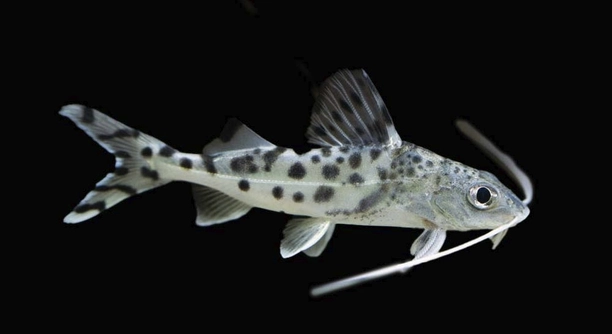
Is your Pictus catfish suddenly avoiding its group and staying apart? This behavior can be confusing, especially if your fish usually swim together peacefully. Understanding why this happens can help you improve their environment and care.
Pictus catfish may isolate themselves due to stress, illness, poor water quality, or changes in their social group. These factors disrupt their natural schooling behavior, prompting avoidance as a coping mechanism or survival instinct. Monitoring conditions is crucial for their well-being.
Recognizing these signs early can help you support your catfish and restore harmony in their tank. The reasons behind this behavior are important to address for a healthy aquatic environment.
Common Reasons Pictus Catfish Avoid Their Group
Pictus catfish may separate from their group for several reasons. One common cause is stress, which can come from overcrowding, aggressive tank mates, or sudden changes in the environment. Illness also plays a role; when fish feel unwell, they tend to hide or keep their distance from others. Water quality is another major factor. Poor conditions, such as high ammonia or nitrate levels, can make fish uncomfortable and less social. Lastly, changes in the social group, like introducing new fish or removing members, can disrupt their usual behavior. These situations often lead to your Pictus catfish avoiding its group until it feels safe again.
Poor water quality often leads to health issues and behavioral changes in Pictus catfish, so keeping the tank clean is essential for their social comfort.
Understanding these factors will help you create a stable and healthy environment, encouraging your catfish to return to their group naturally.
How to Encourage Your Pictus Catfish to Rejoin Its Group
Improving the tank environment can help your Pictus catfish feel comfortable enough to socialize again. Regular water testing and changes ensure safe conditions. Adding hiding spots reduces stress by providing shelter. Maintaining a consistent feeding schedule also supports their health and well-being. Be mindful when introducing new fish; give them time to settle before mixing them with your Pictus catfish. Observing behavior closely helps detect early signs of illness or stress, allowing timely action. Patience is key, as some fish need time to adjust and feel secure before rejoining the group. By carefully managing these factors, you can encourage your catfish to reconnect with its tank mates, improving their overall happiness and health.
Signs Your Pictus Catfish Is Stressed
Stress in Pictus catfish shows through changes in behavior and appearance. They may swim erratically, hide more often, or lose appetite. Their colors can become dull, and they might rub against surfaces, indicating irritation or discomfort.
Stress often results from poor water quality or aggressive tank mates. When stressed, fish become vulnerable to illness and may isolate themselves to avoid conflict. Overcrowded tanks can also increase stress levels by limiting swimming space. Recognizing these signs early helps prevent more serious problems.
Monitoring your catfish regularly for unusual behavior or physical changes is essential. Providing a calm environment with stable water parameters reduces stress and supports healthier, more active fish. Adjusting tank conditions can restore their natural social habits.
Tank Setup and Its Impact on Social Behavior
Tank size and layout significantly influence how Pictus catfish interact with their group. These fish need enough space to swim freely and explore. A cramped or poorly arranged tank causes discomfort and encourages hiding or isolation. Proper hiding spots, like plants and caves, offer refuge but shouldn’t limit swimming areas. Balanced decoration helps fish feel safe while maintaining openness for schooling.
The type of tank mates also affects social behavior. Peaceful species that share similar water needs promote harmony. Avoid aggressive or territorial fish that intimidate Pictus catfish. Keeping stable water conditions, including temperature and cleanliness, supports healthy social interactions. Adjusting the tank setup can encourage your catfish to engage more with their group and display natural schooling behavior.
Illness and Its Effect on Group Behavior
When Pictus catfish are sick, they often isolate themselves from the group. This behavior helps them conserve energy and avoid stress from tank mates. Watching for signs like lethargy or unusual swimming is important.
Early detection of illness can prevent the problem from worsening. Quarantining affected fish protects the rest of the group and helps recovery.
Water Quality and Social Interaction
Poor water quality can lead to discomfort and aggressive behavior in Pictus catfish. High ammonia, nitrite, or nitrate levels irritate their skin and gills, causing stress and withdrawal. Maintaining clean water through regular testing and changes supports healthy, active schooling.
Feeding Habits and Social Dynamics
Feeding routines impact how Pictus catfish interact. Inconsistent feeding times or competition for food may cause stress and isolation. Providing enough food and feeding at regular intervals encourages peaceful social behavior.
Introducing New Fish to the Group
New additions can disrupt established social dynamics. Introducing fish slowly and carefully helps reduce stress and aggression, allowing your Pictus catfish to adapt peacefully.
FAQ
Why is my Pictus catfish avoiding the group even though the water looks fine?
Even if the water appears clean, hidden issues like fluctuating temperatures, improper pH levels, or unnoticed toxins can stress your fish. Pictus catfish are sensitive to subtle changes in their environment. Also, factors like recent tank changes, lighting, or new tank mates may cause anxiety, leading them to avoid the group.
How long does it take for a stressed Pictus catfish to rejoin its group?
The time varies depending on the cause and how quickly the environment improves. Some fish may start socializing again within a few days, while others take weeks. Consistency in water quality, gentle handling, and a peaceful tank setup will speed up recovery.
Can Pictus catfish recover from illness without medication?
Mild illnesses sometimes improve with better tank care, such as clean water and reduced stress. However, many conditions require treatment. Ignoring symptoms can worsen the problem, so consult a vet or fish expert for the right medication.
Is it normal for Pictus catfish to be shy or reclusive?
Yes, Pictus catfish naturally shy away from bright lights and sudden movements. They prefer hiding spots and calm environments. If your fish seem overly reclusive, it might signal stress or illness, so observe their behavior carefully.
What tank mates work best with Pictus catfish?
Peaceful, similarly sized fish that occupy different tank areas are ideal. Avoid aggressive or territorial species that may bully your catfish. Good companions include tetras, rasboras, and peaceful cichlids.
Can changing the tank size affect my catfish’s social behavior?
Yes, a cramped tank limits swimming space and increases stress, causing isolation. A larger tank with enough room encourages schooling and natural behavior.
How often should I clean the tank to keep my Pictus catfish comfortable?
Perform partial water changes of about 20-30% weekly. Regularly clean filters and test water parameters. Consistent maintenance keeps the environment stable and reduces stress.
What signs show that my Pictus catfish is ready to rejoin the group?
Look for increased activity, curiosity about other fish, and regular swimming near the group. Appetite improvement and brighter colors also indicate better health and comfort.
Can stress cause physical symptoms in Pictus catfish?
Yes, stress can cause faded colors, clamped fins, rapid breathing, and even skin damage. These signs mean your fish needs immediate care and a stable environment.
Is it necessary to quarantine new fish before adding them to the tank?
Absolutely. Quarantining new fish for at least two weeks prevents introducing diseases that could stress or harm your existing catfish and other tank mates.
Do Pictus catfish prefer to be kept alone sometimes?
While they are schooling fish and prefer groups, some individuals may isolate temporarily due to illness or stress. This behavior should be monitored but is not usually permanent.
How does lighting affect my Pictus catfish’s social behavior?
Bright or harsh lighting can stress Pictus catfish, causing them to hide or avoid others. Dimmer, natural lighting and providing shaded areas help them feel secure.
What diet helps support social behavior in Pictus catfish?
A balanced diet of high-quality sinking pellets, live, or frozen foods keeps them healthy and active. Proper nutrition supports immunity and reduces stress, encouraging normal group behavior.
Are there specific water parameters that Pictus catfish prefer?
They thrive in slightly acidic to neutral pH (6.5-7.5), temperatures between 75-80°F (24-27°C), and soft to moderately hard water. Keeping parameters stable is crucial for their comfort and social activity.
What should I do if my catfish continues to avoid the group despite all efforts?
If isolation persists, consult an aquatic vet or experienced hobbyist. Persistent avoidance may indicate hidden health issues or incompatibility within the tank environment that need professional advice.
Pictus catfish are social creatures that usually enjoy being part of a group. When one starts avoiding its tank mates, it often signals that something in the environment is off or that the fish is not feeling well. Paying attention to their behavior can help you spot problems early. Common causes include stress, illness, poor water quality, or changes in the tank’s setup. Each of these factors affects the fish differently but often leads to similar behaviors like hiding or isolation. Understanding these reasons is key to helping your catfish feel comfortable and safe again.
Creating a stable and healthy tank environment is the best way to encourage your Pictus catfish to rejoin its group. Regular water testing and cleaning keep conditions safe, while the right tank mates and enough space prevent stress and aggression. Providing hiding spots lets your fish rest when needed but does not limit their movement or social time. Feeding your catfish a balanced diet on a consistent schedule also supports their health and social behavior. Patience is important, as some fish need time to adjust or recover before they return to normal schooling activity.
If your catfish continues to avoid its group despite your best efforts, it may be time to consult a professional. Persistent isolation could indicate a hidden illness or long-term stress that needs specialized care. Watching for changes in appetite, color, or swimming patterns can provide clues about their condition. Acting quickly to address these issues helps ensure your catfish lives a healthy and happy life. Remember, small changes in their environment or care routine can make a big difference in how comfortable and social your Pictus catfish feels.

Hello,
If you enjoy the content that we create, please consider saying a "Thank You!" by leaving a tip.
Every little bit helps us continue crafting quality advice that supports the health, happiness, and well-being of pets around the world, for pets of all shapes, sizes, and species.
We really appreciate the kindness and support that you show us!