
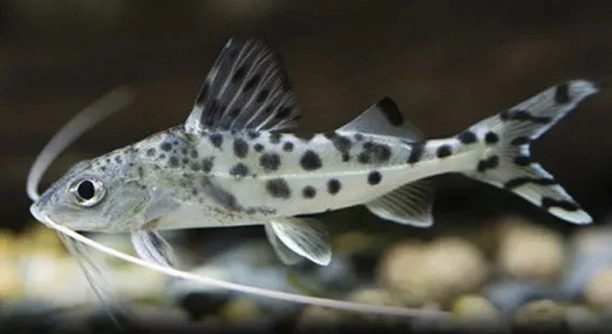
Many people enjoy keeping Pictus catfish in their aquariums because of their active and lively nature. Sometimes, these fish display skittish behavior, which can be worrying for owners. Understanding what causes this can help improve their comfort and health.
Skittish behavior in Pictus catfish is commonly caused by sudden environmental changes, poor water quality, overcrowding, lack of hiding spots, improper diet, loud noises, and stress from tank mates. Each factor can trigger fear or discomfort, leading to jittery movements and hiding.
Recognizing these causes is important for creating a calm and healthy environment for your Pictus. Addressing them can make a big difference in their behavior and well-being.
Sudden Environmental Changes
Pictus catfish are sensitive to quick changes in their surroundings. If the water temperature shifts too fast or the lighting becomes too bright, they can become easily startled. Moving the tank or rearranging decorations abruptly also causes stress. These fish prefer a stable and predictable environment where they can feel safe. When their environment changes suddenly, their natural response is to hide or swim quickly away. Keeping conditions consistent helps them relax and reduces skittish behavior.
Sudden noises or vibrations around the tank can also unsettle Pictus. Loud sounds like banging or dropping objects may make them jump or dart around.
Maintaining a steady temperature and avoiding rapid changes in tank setup is essential. Using dim lighting and minimizing noise can calm your fish. A familiar environment with gentle conditions will encourage them to explore without fear.
Poor Water Quality
Water quality greatly affects how comfortable Pictus catfish feel. Dirty or polluted water causes stress and can make them nervous or restless. High ammonia, nitrite, or nitrate levels irritate their gills and overall health. Regular water testing and changes help keep the tank clean and safe. Without good water quality, their immune system weakens, making them more sensitive to their surroundings. This leads to skittish movements and hiding.
Besides chemical levels, water hardness and pH should be stable. Large swings in these can upset their balance and cause discomfort.
Proper filtration and consistent water changes are necessary to maintain clear water. Removing waste and uneaten food prevents harmful bacteria growth. A clean, well-maintained tank supports your Pictus’s health and calm behavior. If water issues are fixed, you will often see them swim more freely and interact better with the tank environment.
Overcrowding in the Tank
Too many fish in one tank create stress and competition for space. Pictus catfish need room to swim and hide without feeling threatened. Overcrowding can make them nervous and skittish, causing erratic movements.
When the tank is crowded, water quality also tends to drop faster. Waste builds up more quickly, making the environment unhealthy. Fish may compete aggressively for food and hiding spots, increasing stress levels. Pictus, being naturally active and sensitive, respond to this pressure by hiding or darting around. Providing enough space and avoiding overstocking can reduce this anxious behavior and improve their comfort in the tank.
Regularly monitoring the number of fish and their size relative to tank volume is important. Adding plants and decorations helps create visual barriers that reduce stress. Allowing your Pictus enough room to swim freely helps them feel secure and less prone to sudden movements.
Lack of Hiding Spots
Pictus catfish naturally seek shelter when feeling unsafe. Without enough hiding places, they become exposed and nervous. They need caves, plants, or decorations where they can retreat and relax.
Hiding spots give Pictus a sense of security, which reduces stress and skittish behavior. When fish have safe places to hide, they are less likely to panic when startled. Creating a varied environment with plenty of cover mimics their natural habitat and supports calmness. Lack of hiding options forces them to stay exposed, increasing fear and erratic swimming.
Adding natural elements like driftwood, rocks, or dense plants provides comfort. Even small caves or PVC tubes can serve as excellent shelters. When Pictus feel protected, their behavior improves, and they become more confident swimmers in the tank.
Improper Diet
A poor diet can cause Pictus catfish to become restless and skittish. Without the right nutrients, their energy levels and overall health decline.
Feeding them a balanced diet with quality pellets, live or frozen foods helps maintain calm and steady behavior.
Loud Noises Around the Tank
Loud noises can startle Pictus instantly. Sounds from household appliances or sudden bangs create stress and cause them to dart around.
Keeping the tank in a quiet area with minimal vibrations helps reduce this problem. A peaceful environment encourages calm swimming and less jittery behavior.
Stress from Tank Mates
Aggressive or overly active tank mates can intimidate Pictus catfish. Constant chasing or bullying makes them nervous and defensive, increasing skittish movements.
Choosing peaceful, compatible species helps reduce stress and allows Pictus to feel safe and relaxed in their space.
FAQ
Why does my Pictus catfish dart around the tank suddenly?
Pictus catfish often dart due to sudden scares, like loud noises or quick movements near the tank. They are naturally cautious and react quickly to potential threats. Environmental stressors, such as poor water quality or overcrowding, can also increase their jittery behavior. Ensuring a calm, stable environment helps reduce these sudden bursts of movement.
How can I reduce my Pictus’s skittish behavior?
Create a stable environment with consistent water parameters and plenty of hiding spots. Avoid sudden changes in lighting, temperature, or tank setup. Keep noise and vibrations low around the tank. Feeding a balanced diet and choosing peaceful tank mates also help. Regular maintenance and water testing support their health and calmness.
What kind of hiding spots do Pictus catfish prefer?
They like caves, driftwood, dense plants, or decorations that offer shelter. Natural-looking spots that provide shade and security work best. PVC tubes or aquarium-safe ornaments with openings also make good hiding places. The goal is to offer areas where they can retreat and feel protected without feeling trapped.
Can poor water quality make Pictus catfish more nervous?
Yes, poor water quality stresses Pictus and causes them to behave nervously. High ammonia, nitrite, or nitrate levels irritate their gills and weaken their immune system. This stress can lead to skittish behavior and hiding. Regular water changes and filtration are essential to keep water clean and safe.
Are Pictus catfish aggressive toward other fish?
Pictus catfish are generally peaceful but can become stressed by aggressive tank mates. They prefer calm community tanks with non-aggressive species. Aggression from other fish may cause them to hide or dart nervously. Selecting compatible tank mates helps maintain a peaceful aquarium environment.
How many Pictus catfish can I keep in one tank?
A good rule is one Pictus per 10 gallons of water, depending on tank size and setup. Overcrowding causes stress and poor water quality, which makes fish nervous. Providing enough space and hiding spots reduces skittishness and promotes healthy behavior.
Does lighting affect Pictus behavior?
Yes, very bright or flickering lights can make Pictus catfish nervous. They prefer dim or moderate lighting that mimics their natural environment. Too much light exposes them and increases stress. Using adjustable lighting or shaded areas helps them feel safer and less skittish.
Can feeding affect their behavior?
Yes, an improper diet can cause restlessness and stress. Feeding them high-quality pellets and supplementing with live or frozen foods supports their health. Overfeeding or feeding low-quality food can upset their digestion and energy balance, making them more jittery.
Is it normal for Pictus catfish to hide a lot?
Yes, Pictus catfish naturally seek shelter to feel safe. Hiding frequently can be normal, especially in a new or stressful environment. However, excessive hiding may indicate poor water conditions, aggression, or illness. Make sure the tank is comfortable and peaceful to encourage more active behavior.
How often should I clean the tank to keep Pictus calm?
Regular cleaning is important, but avoid sudden large water changes. A weekly partial water change of 20-30% is usually enough. Consistent maintenance keeps water quality stable, which reduces stress. Sudden changes can startle Pictus and increase skittish behavior.
Final Thoughts
Keeping Pictus catfish in a home aquarium can be very rewarding, but their skittish behavior can sometimes be puzzling. Understanding the causes behind this behavior is important to help these fish feel more comfortable and secure. Many of the reasons for their nervousness relate to their environment and care. By paying attention to things like water quality, tank space, and hiding places, you can create a better habitat for your Pictus. This will allow them to relax and display their natural active behavior in a calm way.
It is also important to remember that Pictus catfish are naturally cautious fish. Their skittishness is a natural response to possible danger. This means it takes time and patience to see improvement in their behavior. Gradual changes that improve their environment are better than sudden ones. When the tank is stable, and the fish feel safe, they will start to explore more and show less nervous movement. A steady routine of feeding, cleaning, and care supports their well-being and reduces stress over time.
Overall, small adjustments in tank conditions and daily care can make a big difference for your Pictus. Avoid overcrowding, keep water clean, provide enough shelter, and limit loud noises or sudden changes. These steps help reduce fear and promote a peaceful setting where the fish can thrive. With a little attention and understanding, your Pictus catfish can become more relaxed and show the lively, graceful behavior that makes them special in any aquarium.

Hello,
If you enjoy the content that we create, please consider saying a "Thank You!" by leaving a tip.
Every little bit helps us continue crafting quality advice that supports the health, happiness, and well-being of pets around the world, for pets of all shapes, sizes, and species.
We really appreciate the kindness and support that you show us!