
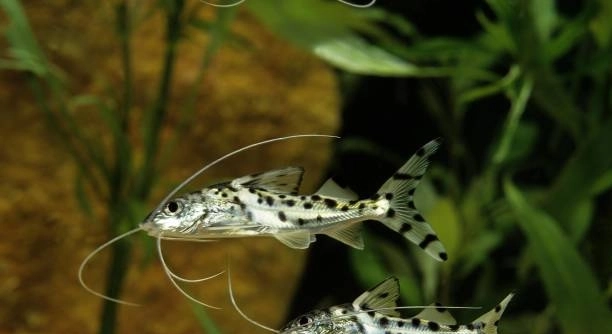
Do you care for a Pictus Catfish and want to make sure it is eating well? Feeding this active fish the right amount of food is important for its health and happiness. Knowing when your catfish is well-fed helps prevent problems.
A Pictus Catfish getting enough food will show steady activity, healthy weight, and clear eyes. It will eat regularly but not overeat, maintaining normal behavior and body condition without signs of stress or malnutrition.
Watching your catfish’s habits and appearance closely will help you keep it healthy and thriving. This article will explain the signs of good feeding and what to watch out for.
Signs Your Pictus Catfish Is Well-Fed
A healthy Pictus Catfish is active and curious in the tank. It swims around confidently and explores its environment. You will notice its body looks firm, not thin or bloated. The catfish’s fins stay intact and vibrant, and its eyes are clear without cloudiness. When feeding time comes, it eagerly eats but does not appear overly greedy or stressed. Uneaten food should be minimal, showing the right amount was given. Overfeeding can lead to leftover food that pollutes the water, so watching how much the catfish consumes is important. Its skin should remain smooth, without discoloration or spots, which can signal poor nutrition or illness. Overall, a well-fed Pictus Catfish has steady energy and behaves normally throughout the day.
Proper feeding helps keep the catfish healthy and prevents problems caused by over or underfeeding.
Observing your fish daily gives clues about its diet quality. A well-fed Pictus Catfish maintains a balanced weight, not looking too thin or swollen. It will have consistent, calm behavior outside feeding times. This stability indicates the fish’s nutritional needs are met. If the fish seems lethargic or overly hungry, it may need a change in feeding routine or food type. Feeding small amounts multiple times a day often works best. Avoid sudden diet changes to prevent stress. The tank environment should be clean, with regular water changes to support good health. Remember, consistent care and attention to your catfish’s behavior are key to keeping it well-nourished and happy.
How Much Should You Feed Your Pictus Catfish?
Pictus Catfish usually need a small amount of food two to three times daily.
Feeding the right quantity depends on the fish’s size and tank conditions. Young or smaller fish require less food than fully grown adults. Typically, a portion the size of the fish’s eye per feeding is sufficient. It is better to underfeed slightly than to overfeed because leftover food can cause water quality issues and health problems. Using sinking pellets or small live foods helps reach the bottom of the tank where these catfish feed naturally. Observing the fish’s eating habits and adjusting amounts accordingly keeps them from becoming overweight or malnourished. Ensuring a balanced diet with protein and occasional vegetable matter supports their energy needs and overall well-being. Monitoring water parameters regularly also contributes to maintaining a healthy feeding routine.
Feeding Frequency and Timing
Pictus Catfish do best with two to three feedings daily. Consistent timing helps their digestion and activity. Feeding at the same times each day keeps their routine steady.
Spacing feedings evenly prevents overeating and supports healthy metabolism. Feeding too much at once can cause digestive issues or poor water quality. Small, regular meals mimic their natural feeding habits. Morning and evening feedings fit well with their active times, while a midday meal can be optional. Observing your catfish’s hunger cues will help you adjust timing if needed. Avoid feeding right before lights out to prevent uneaten food buildup overnight. Maintaining a stable schedule reduces stress and encourages natural behavior.
Adjust feeding based on your catfish’s response and tank conditions. If leftovers remain, reduce portion size. If the fish seems hungry, small increases can be tested carefully. Feeding at regular times helps maintain a balanced aquarium environment and keeps your catfish healthy over the long term.
Choosing the Right Food
High-quality sinking pellets are a good staple for Pictus Catfish. These pellets reach the tank bottom where they feed naturally. Protein-rich foods such as bloodworms or brine shrimp are excellent occasional treats. Avoid floating flakes, as they may not reach your catfish and can waste food. Including a variety of food types ensures balanced nutrition. Some vegetable matter like blanched zucchini or cucumber supports digestion. Avoid over-reliance on one food type to prevent nutrient gaps. Fresh, frozen, or freeze-dried foods can supplement pellets well.
Offering a varied diet meets the catfish’s nutritional needs and keeps them interested in feeding. Protein supports growth and energy, while vegetables add fiber. Rotate treats to avoid boredom and promote overall health. Keep food portions small and monitor how much your catfish consumes at each feeding. Proper food choices reduce health risks and maintain vibrant behavior. Regularly check expiration dates and storage conditions to keep food fresh and safe for your catfish.
Monitoring Your Catfish’s Weight
Regularly check your Pictus Catfish’s body shape. A healthy catfish has a firm, well-rounded body without visible bones or swelling. Sudden changes in weight can signal feeding or health issues.
Use gentle observation during feeding times to note any weight changes. Avoid stressful handling.
Recognizing Overfeeding Signs
Overfed Pictus Catfish may become sluggish and show swollen bellies. Uneaten food and poor water quality often follow overfeeding, which can lead to illness.
Reducing portion sizes and feeding less often helps restore balance. Clean the tank regularly to prevent harmful buildup.
Adjusting Feeding During Stress
Stress from changes like tank moves or illness may reduce appetite. During these times, feeding less and providing hiding spots helps recovery.
Focus on water quality and avoid sudden diet changes. Patience is key to helping your catfish bounce back.
Feeding Juvenile Pictus Catfish
Juvenile Pictus Catfish need smaller, more frequent feedings compared to adults. Their fast growth requires extra nutrition but careful portion control to avoid water pollution.
FAQ
How often should I feed my Pictus Catfish?
Pictus Catfish typically do well with two to three feedings per day. Feeding smaller amounts more frequently helps mimic their natural feeding habits and keeps them healthy. Avoid large meals at once, as this can lead to leftover food and water quality problems.
What types of food are best for Pictus Catfish?
High-quality sinking pellets are the best staple because they reach the bottom where Pictus Catfish like to eat. You can also offer protein-rich treats like bloodworms or brine shrimp occasionally. Including some vegetable matter, like blanched zucchini, helps digestion and provides variety.
How do I know if I’m overfeeding my catfish?
Signs of overfeeding include leftover food in the tank, swollen bellies, and sluggish behavior. Overfeeding can harm water quality and lead to illness. If you notice these signs, reduce food amounts and clean the tank more often.
What should I do if my catfish stops eating?
A loss of appetite can be caused by stress, illness, or poor water quality. Check your tank’s water parameters and ensure stable conditions. Offer familiar foods in small amounts and give your catfish a quiet, safe environment to recover.
Can I feed my Pictus Catfish flakes or floating food?
It’s best to avoid flakes or floating food because Pictus Catfish feed near the bottom. Floating food often wastes and can pollute the water. Stick to sinking pellets or live/frozen foods that reach the bottom easily.
How much food is enough for one feeding?
A good rule is to offer an amount roughly the size of your catfish’s eye per feeding. This portion usually meets their needs without excess. Adjust based on their behavior and leftover food—less is better than too much.
Should I feed juvenile catfish differently?
Yes, juvenile Pictus Catfish grow fast and need smaller, more frequent feedings. Feed them three or four times daily with tiny portions to support healthy growth while preventing water pollution.
Is it okay to feed Pictus Catfish plant-based foods?
Offering some plant-based foods like blanched vegetables can aid digestion and provide fiber. However, their main diet should be protein-based. A balanced diet with occasional veggies supports their overall health.
Can feeding affect my catfish’s behavior?
Yes, feeding impacts activity and health. Well-fed Pictus Catfish are active and curious. If they seem lethargic or restless, feeding habits or food quality might need adjustment.
How do I prevent overfeeding in a community tank?
Feed small amounts and watch how much your Pictus Catfish eats before other fish can grab the food. Remove any leftovers quickly. Feeding in several spots can help all fish get their share without overeating.
Final thoughts are important when caring for your Pictus Catfish and ensuring it gets enough food. Feeding your catfish the right amount helps keep it healthy, active, and happy. Watching your fish regularly will give you clues about how well it is eating. Look for signs like steady activity, a good body shape, and bright eyes. These signs show that your catfish is receiving the nutrition it needs. When you pay close attention to your fish’s behavior, you can avoid problems caused by overfeeding or underfeeding.
Maintaining a consistent feeding schedule is also key. Feeding two to three times a day with small portions fits the catfish’s natural habits. Avoid large meals all at once, which can cause leftover food and harm water quality. Using sinking pellets as the main food source works well since Pictus Catfish feed at the tank bottom. Adding occasional protein-rich treats and some vegetables provides balanced nutrition. Remember that juvenile catfish need more frequent but smaller feedings to support their growth. Adjusting feeding habits based on your fish’s response will help you find the right balance over time.
Keeping the tank clean and monitoring water quality supports your catfish’s overall well-being. Overfeeding can lead to excess waste, which pollutes the water and may cause illness. By controlling food amounts and feeding regularly, you reduce risks and create a healthy environment. If your catfish shows any signs of stress or changes in appetite, consider checking water parameters and feeding routines. Patience and observation are important when caring for Pictus Catfish. With proper feeding and attention, your catfish will stay strong and vibrant for years to come.

Hello,
If you enjoy the content that we create, please consider saying a "Thank You!" by leaving a tip.
Every little bit helps us continue crafting quality advice that supports the health, happiness, and well-being of pets around the world, for pets of all shapes, sizes, and species.
We really appreciate the kindness and support that you show us!