
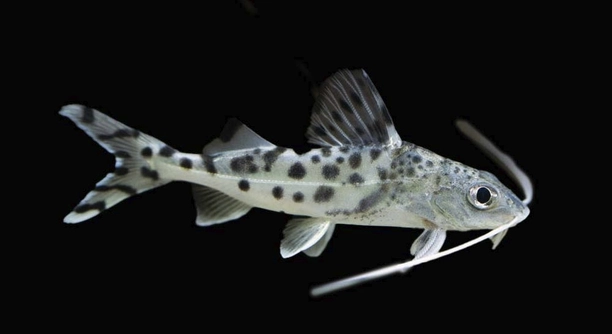
Do you ever find yourself tempted to add a pictus catfish to your aquarium just because of its bold patterns and active nature?
Adding a pictus catfish at the wrong time or in the wrong setup can lead to stress, aggression, overcrowding, and even health risks for both the pictus and its tank mates.
These issues often get overlooked, but understanding when not to add a pictus can prevent major problems in your tank.
When the Tank Is Too Small
A pictus catfish needs plenty of space to swim and explore. Keeping one in a small tank can cause stress, poor water quality, and aggressive behavior. A tank under 55 gallons isn’t enough. These fish are active and fast-moving. When they don’t have room to move, they become anxious and may lash out at other fish. Smaller tanks also make it harder to maintain stable water conditions. Waste builds up quickly, oxygen levels drop, and it’s harder to keep everything balanced. A stressed pictus often hides or darts around wildly, which can scare other tank mates and lead to injuries. If you’re thinking of adding a pictus, make sure the tank is already well-established and has enough space for it to thrive. It’s also important to consider the adult size of the fish, not just how small it looks when you first bring it home.
A cramped tank may not seem like a big issue at first, but over time, it can seriously affect the health of all your fish.
Adding a pictus to a tank that’s too small can lead to long-term problems that are hard to fix. They need space to swim freely and behave normally. Overcrowding causes stress, spikes in ammonia, and limits oxygen. Pictus catfish are fast swimmers that prefer open areas, not tight corners or tanks packed with decorations. A lack of room forces them to compete for space, especially if you’ve already got other bottom dwellers. This can also lead to feeding issues, where some fish miss out on food. You may also notice odd behavior—like the pictus hiding all day or chasing tank mates constantly. If these signs show up, it’s usually a clue the tank setup isn’t right. Adding more water volume, trimming down the fish population, or rehoming the pictus may be the only options left. Starting with the right tank size avoids all of this stress.
When Tank Mates Are Too Passive
A pictus catfish doesn’t do well with delicate or slow-moving fish. It may nip fins or chase shy tank mates constantly.
Pictus catfish are fast, energetic swimmers that can overwhelm peaceful fish. Their constant movement and curiosity may look playful, but it often unsettles calm species. Long-finned or slow-moving fish like angelfish or gouramis tend to become targets, especially at feeding times or when the tank is too crowded. Pictus catfish can also become territorial, particularly during nighttime hours when they’re most active. If they share a tank with fish that can’t keep up or defend themselves, stress builds quickly. This stress can lower immunity and lead to illness. Watching your other fish hide more or stop eating might be a sign that something’s wrong. It’s important to choose tank mates that are equally active, semi-aggressive, and similar in size. Fast fish like barbs or larger tetras tend to do better. Before adding a pictus, make sure the other fish in your tank can handle its energy.
When the Tank Isn’t Fully Cycled
Adding a pictus catfish to an uncycled tank is risky. These fish are sensitive to poor water conditions and high ammonia levels. If the nitrogen cycle isn’t stable, they can get sick or even die quickly.
An uncycled tank can’t process waste properly. Ammonia and nitrite levels spike, stressing the fish and burning their gills. Pictus catfish breathe quickly and move a lot, so they take in more water—and more toxins—than slower fish. They may lose their appetite, become sluggish, or develop red patches on their bodies. These are signs of ammonia poisoning. Even a small ammonia increase can be harmful. Before adding a pictus, make sure your tank has stable readings for ammonia (0 ppm), nitrite (0 ppm), and nitrate (under 20 ppm). Use a reliable test kit and wait several weeks after setting up your tank to add more sensitive species like the pictus catfish.
Cycling a tank isn’t just a one-time step. It’s an ongoing process that needs monitoring. When adding a pictus too early, even weekly water changes won’t help enough. Their constant movement stirs up waste, and this creates more ammonia than a young tank can handle. Beneficial bacteria need time to grow and spread throughout the filter and substrate. Without them, there’s no way to break down fish waste fast enough. A pictus in this situation often hides in corners or breathes heavily near the surface—both signs of distress. If you add them before the tank is ready, you’ll spend more time trying to fix water quality issues than enjoying your fish.
When Feeding Habits Clash
Pictus catfish are quick eaters that often steal food from slower fish. If your other fish need extra time to feed, they may end up hungry while the pictus eats most of it.
This fish is always on the move, especially during feeding time. It darts through the tank, grabbing food before it reaches the bottom. That’s a problem when you have fish that rely on slow sinking pellets or hand-fed meals. Goldfish, dwarf cichlids, or shy bottom dwellers may not get enough food, leading to weight loss or poor health. You might try feeding at opposite ends of the tank or using sinking wafers, but even then, the pictus may still outcompete the others. Over time, this causes tension during feeding and leads to more stress. If you keep fish with special feeding needs, adding a pictus might not be the right move.
Some aquarists try to fix this by feeding large amounts at once, hoping each fish gets a chance. But this often backfires. Overfeeding leads to poor water quality and excess waste. The pictus may still eat too much, while others remain underfed. It also encourages them to become more aggressive during feeding, chasing tank mates or stirring up the substrate. Even feeding at night—when pictus are most active—can make it harder for other nocturnal fish to eat. If you’re managing a balanced feeding routine with different fish diets, adding a pictus can disrupt that balance. It’s best to introduce them only if your other fish are fast, confident eaters that won’t get pushed aside.
When You Have Sharp Decorations
Pictus catfish have delicate barbels that help them explore. Sharp rocks or rough decorations can easily damage these sensitive feelers. Once injured, the barbels may become infected, leading to long-term health problems or loss of appetite.
They swim fast and often don’t stop to look. If they crash into jagged objects, it can tear their fins or scrape their sides. Smooth decorations and rounded stones are safer. Avoid anything with sharp edges, including broken ornaments or fake coral. Their safety depends on a calm, injury-free environment.
When You’re Not Ready for Night Activity
Pictus catfish are mostly active at night. If you’re not prepared for a tank that’s busy after dark, they may disrupt your setup. They often stir the substrate, bump decorations, and even disturb sleeping tank mates. Their movement can also scare timid fish trying to rest. A dim tank and late feedings might suit their needs, but you need to be ready for the noise and activity after the lights go out. If your setup favors peaceful nighttime rest or quiet evenings, a pictus may throw off that balance.
When You Want a Peaceful Community
Pictus catfish are too fast and curious for calm community tanks. Their energy level can stress slow or shy fish.
How big does a tank need to be for a pictus catfish?
A pictus catfish needs a tank that is at least 55 gallons. This size gives them enough space to swim and explore without feeling cramped. Smaller tanks can cause stress and aggressive behavior because these fish are very active. A larger tank also helps keep water conditions stable, which is important for their health. If you want to keep more than one pictus, even bigger tanks are needed to prevent overcrowding and fighting. Always think about the adult size of the fish, which can grow up to 4-5 inches long. Planning ahead helps avoid problems later.
Can pictus catfish live with small or slow fish?
Pictus catfish don’t do well with small or slow-moving fish. Their fast swimming and curious nature can frighten or stress out more peaceful fish. Slow fish or those with long fins, like angelfish or fancy guppies, may be targets for nipping. Pictus can chase or bump these fish during feeding or play, which causes injury or stress. It’s better to keep them with fish that are equally active and able to keep up. Barbs, danios, or larger tetras often work well as tank mates for pictus catfish.
What do pictus catfish eat, and how often should I feed them?
Pictus catfish are omnivores and need a varied diet. They enjoy sinking pellets, wafers, and frozen or live foods like bloodworms and brine shrimp. Feeding them once or twice a day is enough. Overfeeding can harm the water quality and cause health issues. Because pictus eat quickly and compete for food, you may need to make sure other fish get their share. Feeding small amounts multiple times can help. Some people feed pictus at night, when they are more active, to better match their natural habits.
Are pictus catfish good for beginners?
Pictus catfish are not the best choice for beginners. They need larger tanks with good filtration and stable water conditions. Their sensitive barbels are prone to damage, and they require a fully cycled tank before introduction. Their active nature and specific feeding needs also require more care. Beginners might struggle with water quality and tank setup, leading to stress or illness for the fish. If you’re new to fishkeeping, starting with hardier, less active species might be easier before moving on to pictus catfish.
How can I prevent barbels damage in pictus catfish?
To protect a pictus catfish’s barbels, avoid sharp or rough decorations in the tank. Use smooth stones, rounded gravel, or sand substrates. Keep the water clean and well-filtered because dirty water can cause infections if the barbels get injured. If you notice barbels looking frayed or inflamed, check water parameters immediately and improve tank hygiene. Regular water changes and gentle handling during maintenance help prevent injuries. Providing plenty of open swimming space reduces the chance of the fish rubbing against decorations.
What signs show that a pictus catfish is stressed or unhealthy?
A stressed pictus catfish may hide often, swim erratically, or gasp at the water surface. Loss of appetite, faded colors, or clamped fins are other signs. Red or inflamed areas on the body or barbels could indicate injury or infection. Stress is often caused by poor water quality, overcrowding, or incompatible tank mates. If you notice these signs, test the water for ammonia, nitrite, and nitrate levels, and adjust tank conditions. Acting fast can help prevent illness and keep your pictus healthy.
Can pictus catfish live alone?
Pictus catfish prefer to live in groups of at least three or more. They are social fish that feel more secure and show natural behavior when kept together. Alone, they may become shy or stressed. Groups also reduce aggression because the fish spread out their attention. However, make sure your tank is big enough to handle multiple pictus without overcrowding. Keeping them in a group is better for their wellbeing, but remember the extra space and filtration needs that come with more fish.
Do pictus catfish need special lighting or tank setups?
Pictus catfish do best with dim lighting since they are more active during low light or nighttime hours. Bright lights may stress them out or cause them to hide. Using plants, caves, or decorations that provide shaded areas helps them feel secure. Open swimming space is important too. Substrates like sand or smooth gravel protect their barbels. Avoid overcrowding the tank with decorations to allow free movement. Mimicking their natural environment with soft light and hiding spots helps keep them comfortable and healthy.
When thinking about adding a pictus catfish to your aquarium, it is important to consider several key factors to ensure the health and happiness of your fish. These catfish are lively and beautiful, but they come with specific needs that are not always easy to meet. A tank that is too small, an uncycled environment, or incompatible tank mates can all lead to stress and health problems for your pictus. Understanding these risks helps you make better decisions for your aquarium setup. Taking the time to prepare your tank properly before adding a pictus will save you from many common issues that new owners face.
Pictus catfish are best suited for tanks that are large, well-maintained, and stable. They need plenty of room to swim freely and explore. Their sensitive barbels require smooth decorations and clean water to stay healthy. Also, because they are fast and active, their tank mates should be chosen carefully. Calm or slow fish might not get along well with pictus, which can lead to stress on all sides. Feeding routines should also be adjusted to make sure every fish gets enough food without causing water quality problems. Keeping all these points in mind is necessary for a balanced aquarium where pictus can thrive.
In the end, adding a pictus catfish is not always the best idea unless your tank environment and community are right for them. They are rewarding fish but need careful attention to their living conditions. If you are willing to provide a large, stable tank with compatible companions and proper care, pictus catfish can be an interesting and lively addition. However, if your setup does not meet these needs, it is better to wait or choose a fish that fits your current aquarium better. Careful planning and understanding the pictus catfish’s requirements will help you avoid problems and enjoy a healthy tank.

Hello,
If you enjoy the content that we create, please consider saying a "Thank You!" by leaving a tip.
Every little bit helps us continue crafting quality advice that supports the health, happiness, and well-being of pets around the world, for pets of all shapes, sizes, and species.
We really appreciate the kindness and support that you show us!