
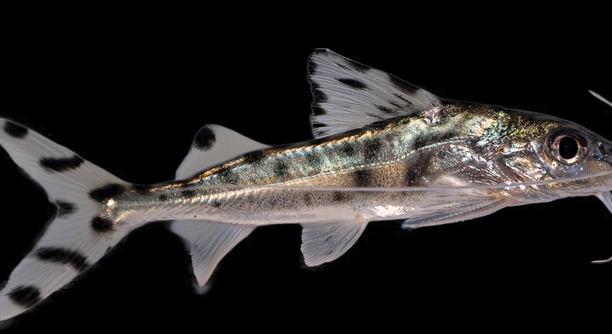
Many aquarium owners often follow general advice when caring for Pictus catfish, assuming all fish have similar needs. These common beliefs can sometimes cause confusion or unnecessary worry. It’s important to understand which ideas truly apply to Pictus.
Many myths about aquarium fish care do not hold true for Pictus catfish. Their behavior, diet, and environment needs differ from popular assumptions, requiring specific knowledge for proper care and a healthy aquarium.
Knowing which myths don’t apply will help you provide better care and create a comfortable environment for your Pictus catfish.
Pictus Catfish Are Not Always Nocturnal
Many people believe that Pictus catfish are strictly nocturnal, only active at night. While they do tend to be more active during low light, they often explore their environment during the day as well. In a well-maintained aquarium with minimal disturbances, Pictus can be quite lively and curious in daylight hours. Their activity depends largely on tank conditions and the presence of hiding spots. If the aquarium provides enough cover and a calm setting, these fish may come out and swim around more often. Understanding their natural behavior helps in setting up the tank to keep them comfortable. It’s a mistake to assume they will hide all day or require complete darkness. Adjusting lighting and tank decoration can encourage more daytime activity and make watching them more enjoyable.
Pictus catfish are adaptable and can adjust their activity patterns based on the environment, not just light cycles.
Creating a habitat that balances lighting and cover encourages natural behavior and helps Pictus feel secure both day and night. Avoid bright, harsh lighting but do not keep the tank in darkness for extended periods. A moderate light cycle mimics their natural surroundings and supports their well-being.
Pictus Catfish Can Coexist with Many Other Species
Pictus catfish are often thought to be aggressive or territorial, but they usually get along well with many other peaceful fish species. They prefer to live in groups of their own kind and benefit from companionship. Their peaceful nature means they rarely cause trouble if their tank mates are similarly calm. It’s important to avoid very small fish that could be seen as prey or very aggressive species that might stress them. Providing plenty of hiding places and space helps reduce tension between tank inhabitants. Observing their interactions closely at first ensures a harmonious aquarium. Understanding their social needs can prevent common problems related to aggression and stress. Pictus catfish thrive in a balanced community tank when properly introduced and cared for.
Many aquarium myths about aggressive behavior don’t apply to Pictus catfish; they are generally peaceful and social.
When selecting tank mates, choose species that are similarly sized and calm to maintain a peaceful environment. Avoid overcrowding, and ensure the tank has enough space and hiding spots for everyone. Regular monitoring during the first few weeks is important to watch for any signs of stress or aggression. Over time, Pictus catfish often become an active and peaceful part of a community aquarium.
Pictus Catfish Are Not Bottom Feeders Only
Pictus catfish are often labeled as bottom feeders, but they actively swim through all levels of the tank. They explore midwater and surface areas, especially during feeding times.
While they do search for food near the bottom, Pictus catfish are opportunistic feeders. They often rise to the middle or surface for flakes or pellets. This behavior helps them find more varied nutrition and interact with the environment. Watching them explore all levels shows their curious and active nature, not just scavenging habits.
Providing food at different levels and times encourages natural foraging behavior. It also helps avoid overfeeding on the tank floor, which can lead to water quality issues. A varied diet with sinking and floating foods keeps them healthy and engaged.
Pictus Catfish Do Not Require Extremely Soft Water
Pictus catfish are believed to need very soft, acidic water, but they tolerate a wider range of water conditions. Their natural habitat includes rivers with moderate hardness and neutral to slightly acidic pH.
They adapt well to typical aquarium water parameters, making them easier to care for than some fish. Maintaining stable water quality is more important than hitting exact softness levels. Sudden changes or extremes in water chemistry cause more harm than moderate variations. Regular testing and gradual adjustments help keep Pictus comfortable and healthy.
By focusing on clean water and stable parameters rather than soft water alone, you support your Pictus catfish’s long-term health and activity. It reduces stress and prevents illness, creating a better environment for them to thrive.
Pictus Catfish Do Not Need Constant Hiding Spots
Pictus catfish appreciate places to hide but do not need constant cover. They balance hiding with open swimming areas to feel safe and explore.
Too many hiding spots can limit their activity. A few well-placed shelters create security without making the tank feel cramped.
Pictus Catfish Are Not Very Fragile
Pictus catfish are hardy and can tolerate typical aquarium conditions well. They are not as delicate as some other species, making them suitable for beginners with proper care.
Proper feeding, clean water, and a stable environment support their resilience. Avoid sudden changes in water or aggressive tank mates to keep them healthy.
Pictus Catfish Can Be Fed a Varied Diet
Offering only flakes or pellets is not enough. Pictus catfish benefit from a mix of protein sources like frozen or live foods. This variety supports their growth and natural behavior.
Pictus Catfish Don’t Require a Large Tank Only
While more space is always better, Pictus catfish can live comfortably in moderate-sized tanks with proper maintenance and setup.
FAQ
How often should I feed my Pictus catfish?
Feeding Pictus catfish once or twice a day is usually enough. They have good appetites but overfeeding can harm water quality. Offering a small amount they can eat within a few minutes helps avoid leftover food in the tank.
Can Pictus catfish live with shrimp or small fish?
Pictus catfish may see very small shrimp or tiny fish as food. It’s safer to keep them with medium to large peaceful fish. If you want shrimp, choose larger species and provide plenty of hiding places.
What water temperature do Pictus catfish prefer?
They thrive in temperatures between 72°F and 78°F (22°C to 26°C). Keeping the temperature stable in this range supports their health and activity levels.
How big do Pictus catfish grow?
Pictus catfish can grow up to 5 inches (12-13 cm) in captivity. They need enough space to swim comfortably as they grow.
Do Pictus catfish need a special type of substrate?
Soft, sandy substrates are best to protect their delicate barbels. Rough gravel can damage them and cause infections.
Are Pictus catfish easy to breed at home?
Breeding Pictus catfish in a home aquarium is challenging and rarely successful. They require very specific water conditions and triggers that are hard to replicate.
How can I tell if my Pictus catfish is healthy?
Healthy Pictus catfish are active, have clear eyes, intact fins, and smooth skin. Loss of appetite, unusual spots, or lethargy can signal health issues.
What do I do if my Pictus catfish hides a lot?
Hiding can be normal, especially when they are new or stressed. Check water quality and tank conditions. Providing a calm environment and proper tank mates encourages them to come out more.
Can Pictus catfish tolerate tankmates with different activity levels?
Yes, they do well with both active and calm species as long as there is no aggression. Avoid overly aggressive fish that might stress them.
Is regular water change important for Pictus catfish care?
Absolutely. Regular water changes keep ammonia and nitrates low, which is crucial for Pictus health. Changing 20-30% weekly is recommended.
What kind of filtration works best for a Pictus catfish tank?
A good filtration system that maintains clean water without strong currents is ideal. Pictus catfish prefer moderate water flow to avoid stress.
Can Pictus catfish jump out of the tank?
Yes, they are known to jump occasionally. A secure lid or cover is necessary to prevent escapes.
Do Pictus catfish require supplemental lighting?
They don’t need special lighting but prefer moderate light levels. Bright lights can cause stress, so dimmer or natural lighting is better.
How long do Pictus catfish typically live?
With proper care, they can live around 8 to 10 years in an aquarium.
Is it necessary to quarantine new Pictus catfish before adding them to the main tank?
Quarantine is recommended to prevent introducing diseases or parasites to your established aquarium. A 2-4 week quarantine period is standard.
What should I do if my Pictus catfish shows signs of illness?
Isolate the fish if possible and check water parameters immediately. Consult a vet or aquarium specialist for diagnosis and treatment options. Early action helps prevent serious problems.
Pictus catfish are unique fish that often surprise aquarium owners because many common beliefs about fish care do not apply to them. Understanding their specific needs helps create a better home for these fish and keeps them healthy. They are not strictly nocturnal, meaning they can be active during the day if the tank environment is right. This shows that Pictus catfish are adaptable and curious, enjoying exploring different parts of the aquarium. Knowing this can make watching and caring for them more enjoyable.
These fish are also peaceful and social, preferring to live with calm tank mates. They don’t need constant hiding spots but do appreciate some places to feel safe. Their diet should be varied, including both sinking and floating foods, to meet their nutritional needs. Another important fact is that Pictus catfish can tolerate a range of water conditions, so maintaining stable water quality is more important than trying to meet very specific parameters. This makes them easier to care for than some other species. A moderate-sized tank with proper care will support their growth and activity.
Overall, Pictus catfish are hardy, active, and interesting pets for those willing to learn their habits. Avoiding common myths helps reduce mistakes and provides a better environment for these fish. By offering proper food, maintaining clean water, and understanding their behavior, owners can enjoy watching healthy and lively Pictus catfish for many years. They can fit well into community tanks and bring a peaceful energy that enriches the aquarium. Learning the truth about their needs benefits both the fish and the person caring for them.

Hello,
If you enjoy the content that we create, please consider saying a "Thank You!" by leaving a tip.
Every little bit helps us continue crafting quality advice that supports the health, happiness, and well-being of pets around the world, for pets of all shapes, sizes, and species.
We really appreciate the kindness and support that you show us!