
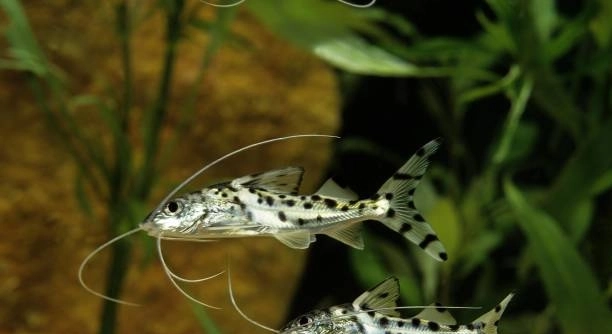
Many aquarium owners enjoy adding different fish species to their tanks for variety and interest. The Pictus catfish is a popular choice because of its active behavior and striking appearance. Understanding how it interacts with other species helps create a peaceful tank environment.
Pictus catfish can coexist and bond with other species under suitable conditions. They are social fish that prefer groups and can form peaceful relationships when tank mates are compatible in size, temperament, and habitat needs. Careful selection promotes harmony.
Knowing how Pictus catfish relate to other fish can improve your aquarium’s balance and enjoyment. This article explains important factors for fostering good relationships in a mixed-species tank.
Pictus Catfish Social Behavior
Pictus catfish are naturally social animals. In the wild, they live in groups called shoals, which provide safety and comfort. When kept alone, they can become stressed or shy. Keeping them in groups of at least three helps them feel secure and more active. Their social nature also means they watch and respond to the behavior of nearby fish. However, they may be cautious or avoid aggressive or overly large tank mates. Pictus catfish enjoy exploring the tank together, often swimming side by side. They rely on their keen sense of smell and whiskers to navigate and find food. If housed with calm, non-aggressive species, they usually interact well and avoid conflict. It’s important to maintain proper water conditions, as stress from poor water quality can affect their behavior and social bonding. Overall, their social needs should guide tank setup and species selection.
In a group, Pictus catfish are more confident and display natural behaviors like schooling and foraging together.
Providing a group environment for your Pictus catfish enhances their well-being and promotes peaceful coexistence. A balanced tank with compatible species allows them to thrive and reduces stress-related issues. Watching their social interactions can be rewarding and adds life to your aquarium. Ensuring the right companions and conditions supports their natural instincts and creates a calm, lively tank atmosphere.
Compatibility with Other Species
Pictus catfish generally get along well with other peaceful species. They prefer tank mates that are neither too aggressive nor too small to avoid stress or predation.
When selecting tank mates, size matters. Pictus catfish grow up to 4-5 inches, so small fish like neon tetras might be at risk. Choose fish that share similar water parameter needs, such as temperature and pH. Species like Corydoras, Gouramis, and peaceful barbs often make good companions. Avoid aggressive or territorial fish like large cichlids that may harass or harm them. Pictus catfish are nocturnal and more active at night, so day-active fish can complement their schedule well. They spend much time near the bottom but also swim mid-water, so providing enough space and hiding spots benefits all species. Proper feeding routines help reduce competition and keep peace in a mixed-species tank.
A thoughtful selection of species creates harmony and supports the natural behavior of Pictus catfish.
Tank Setup for Pictus Catfish
A spacious tank is important for Pictus catfish to swim freely. At least 30 gallons is recommended for a small group. Provide plenty of hiding spots with plants, caves, or driftwood.
Good filtration keeps the water clean and well-oxygenated, which Pictus catfish need. They prefer slightly acidic to neutral pH between 6.5 and 7.5. Maintain a temperature around 72-79°F (22-26°C) for comfort.
A sandy or smooth substrate is best since Pictus catfish like to dig and search for food along the bottom. Rough gravel can harm their sensitive barbels. Regular water changes help prevent stress and disease, supporting their social behavior.
Feeding and Care Tips
Pictus catfish enjoy a varied diet including sinking pellets, frozen or live foods like bloodworms and brine shrimp. Feed small amounts twice daily to avoid overfeeding and water pollution.
They are opportunistic feeders and may pick food from the substrate, so scattered feeding helps all tank inhabitants get their share. Avoid foods that float for long since Pictus catfish feed mostly near the bottom.
Regular tank maintenance is key. Monitor water quality closely, especially ammonia and nitrate levels. Stress from poor conditions can cause illness or aggression. Providing a stable environment supports their health and social bonding with other species.
Signs of Bonding Between Species
Pictus catfish show bonding by swimming close to peaceful tank mates. They may share hiding spots without conflict. Calm, gentle movements indicate comfort with others nearby.
Watch for synchronized swimming or resting together. These signs mean the fish feel safe and relaxed in each other’s presence.
Potential Conflicts to Watch For
Aggression or chasing can signal poor compatibility between Pictus catfish and other species. Stress may cause hiding or loss of appetite. Size differences sometimes lead to bullying or accidental injury. Keeping an eye on behavior helps catch problems early and adjust tank mates if needed.
Environmental Factors Affecting Bonding
Water quality, tank size, and hiding spots play a major role in how well species bond. Poor conditions increase stress and aggression. A clean, well-planted tank with enough space encourages peaceful interactions and reduces competition.
When to Separate Tank Mates
If aggression or stress persists despite changes, separating fish might be necessary. Some species just do not get along, and protecting the health of all fish is most important.
Can Pictus Catfish Live With Other Fish?
Yes, Pictus catfish can live with other fish as long as the tank mates are peaceful and similar in size. They prefer calm species that won’t nip their fins or bully them. Aggressive fish or very small ones may cause stress or harm, so careful selection is important.
What Fish Are Best to Keep With Pictus Catfish?
Good companions include Corydoras catfish, tetras, rasboras, and gouramis. These fish have compatible water needs and peaceful temperaments. Avoid large, aggressive cichlids or fin-nippers like tiger barbs. Matching activity levels and feeding habits also helps maintain a balanced tank.
Do Pictus Catfish Need to Be in Groups?
Yes, Pictus catfish are social and feel more secure in groups of at least three. Being in a group reduces stress and encourages natural behaviors like schooling and exploring together. A single Pictus catfish may hide or act shy.
How Large Should the Tank Be for Pictus Catfish?
A minimum of 30 gallons is recommended for a small group of Pictus catfish. Larger tanks provide more swimming space and room for hiding spots, which reduces territorial behavior and stress.
What Is the Ideal Water Temperature and pH for Pictus Catfish?
The ideal temperature is between 72 and 79°F (22-26°C). They prefer a pH range of 6.5 to 7.5, which matches many tropical freshwater fish. Stable water conditions help maintain their health and social harmony.
What Should I Feed Pictus Catfish?
Pictus catfish eat sinking pellets, frozen or live foods like bloodworms, brine shrimp, and small insects. They are bottom feeders, so food that sinks is best. Feeding small amounts twice a day prevents overfeeding and water quality problems.
How Can I Tell If Pictus Catfish Are Stressed?
Signs of stress include hiding constantly, loss of appetite, or sudden aggression. Stress can result from poor water quality, incompatible tank mates, or overcrowding. Regular observation and good tank care help keep them healthy.
Can Pictus Catfish Harm Smaller Fish?
Generally, Pictus catfish do not harm smaller fish, but very tiny fish may be at risk if they fit into the catfish’s mouth. Avoid housing them with tiny species unless the tank is large and there are plenty of hiding spaces.
Do Pictus Catfish Clean the Tank?
While Pictus catfish scavenge the bottom for leftover food, they are not effective tank cleaners. Regular tank maintenance and cleaning are still necessary to keep the aquarium healthy.
How Often Should I Change the Water?
Changing 20-25% of the water weekly is ideal to keep ammonia and nitrate levels low. Good water quality reduces stress and supports healthy relationships between tank mates.
What Are Common Diseases in Pictus Catfish?
Pictus catfish can get common freshwater fish illnesses like ich, fin rot, and bacterial infections if stressed or kept in poor water conditions. Quarantining new fish and maintaining a clean tank prevent most diseases.
Can Pictus Catfish Live With Shrimp or Snails?
They can live with larger snails and adult shrimp, but small shrimp or baby shrimp might be eaten. If you want to keep shrimp, provide plenty of hiding places to improve their survival chances.
Is It Normal for Pictus Catfish to Hide a Lot?
Pictus catfish are nocturnal and tend to be more active during the night. Hiding during the day is normal, especially if they feel threatened or stressed. Providing caves and plants helps them feel safe.
How Long Do Pictus Catfish Usually Live?
With proper care, Pictus catfish can live 8 to 10 years in captivity. Good diet, clean water, and peaceful tank mates contribute to their lifespan.
Can Pictus Catfish Jump Out of the Tank?
Yes, they are known to jump, especially if startled or stressed. Make sure the tank has a secure lid to prevent escapes.
How Do I Introduce Pictus Catfish to a New Tank?
Introduce them slowly by floating the bag to equalize temperature and gradually mixing tank water into the bag. Release them gently and observe for signs of stress or aggression. Patience helps them adjust and bond with other species.
Pictus catfish are interesting fish to keep because they can live peacefully with other species when the right conditions are met. They enjoy being in groups and need enough space to swim freely and feel safe. Choosing tank mates that share similar water needs and are not aggressive is important to prevent stress and fights. A well-planned tank setup with hiding places and clean water helps support their natural behaviors and keeps them healthy. When these factors are in place, Pictus catfish can bond with other fish and add life to your aquarium.
Taking care of Pictus catfish means paying attention to their social habits and environment. They thrive best in tanks that are large enough and have calm, compatible companions. Feeding them a varied diet of sinking pellets, frozen, or live foods supports their health. Watching their behavior can help you notice early signs of stress or conflict, so you can make adjustments quickly. Regular water changes and good filtration are essential to keep the water quality high. This reduces the chance of illness and helps maintain peaceful relationships with other fish.
Overall, Pictus catfish are a good choice for those who want an active and social fish that can live with others peacefully. While they have specific needs, these are manageable with some planning and care. Understanding their habits and requirements allows you to create a harmonious aquarium where all fish can thrive. This makes caring for Pictus catfish rewarding and enjoyable. With proper care, they can become a lively and interesting part of a mixed-species tank for many years.

Hello,
If you enjoy the content that we create, please consider saying a "Thank You!" by leaving a tip.
Every little bit helps us continue crafting quality advice that supports the health, happiness, and well-being of pets around the world, for pets of all shapes, sizes, and species.
We really appreciate the kindness and support that you show us!