
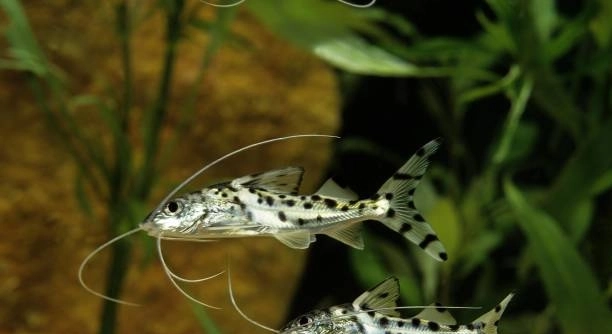
Many people enjoy keeping pictus catfish because of their lively behavior and peaceful nature. Observing their natural actions can make caring for them more rewarding. Knowing how to encourage these behaviors helps create a healthy environment for them.
Encouraging natural behavior in pictus involves providing proper tank conditions, such as suitable water parameters, ample hiding spaces, a varied diet, and social companions. These factors promote natural swimming, foraging, and resting patterns essential for their well-being.
Understanding how these elements support pictus behavior will improve your experience and help your fish thrive in their habitat.
Proper Tank Setup
A well-prepared tank is essential to encourage natural behavior in pictus catfish. These fish prefer a spacious tank with plenty of hiding spots, such as caves, plants, and driftwood. A soft substrate like sand or fine gravel allows them to forage comfortably. Maintaining stable water conditions is just as important. Pictus thrive in temperatures between 75 and 80°F and prefer slightly acidic to neutral pH levels. Proper filtration and regular water changes help keep the environment clean and safe. When the tank mimics their natural habitat, pictus feel more secure, which encourages swimming and exploring. The right setup also reduces stress, helping these fish display their full range of natural behaviors.
Providing a suitable environment with enough space and hiding places is key. It supports their natural instincts and overall health.
Setting up your tank thoughtfully shows respect for your pictus catfish’s needs. It lets them express behaviors like resting in caves or searching the bottom for food, making them more active and visible.
Social Interaction
Pictus catfish are social creatures that enjoy the company of their own kind. Keeping them in groups of at least three helps them feel more comfortable and secure. When alone, they can become shy or hide more often, which limits natural behaviors. Group living encourages their playful swimming patterns and interaction, which are signs of good health. However, overcrowding can cause stress and aggression, so balance is important. Watching their social behavior can also give you insight into their well-being.
A small group promotes natural swimming and social habits.
Adding companions helps pictus catfish thrive by encouraging active movement and reducing stress. When in a group, they often chase each other playfully and explore together, showing off their natural schooling behavior. This interaction provides mental stimulation and keeps them from becoming bored or lethargic. On the other hand, it is important to avoid mixing them with overly aggressive fish. The peaceful nature of pictus means they do best with calm tank mates that won’t intimidate them. Proper social interaction boosts their confidence and overall happiness in the tank.
Varied Diet
A varied diet keeps pictus catfish healthy and encourages natural foraging behavior. Feeding them different types of food helps meet their nutritional needs and keeps mealtime interesting.
Pictus are omnivores that enjoy a mix of live, frozen, and dry foods. Offering bloodworms, brine shrimp, and high-quality sinking pellets mimics their natural diet. This variety encourages them to search and hunt, which is important for their mental stimulation. Avoid overfeeding, as excess food can dirty the tank and harm water quality. Feeding smaller portions several times a day supports their active lifestyle and natural grazing habits.
Changing their diet regularly prevents boredom and promotes natural feeding instincts. Including live or frozen foods helps recreate their wild hunting experience, encouraging movement and alertness. This approach also supports their immune system and vibrant coloration, making them more lively and healthy in the aquarium.
Lighting and Environment
Proper lighting influences pictus catfish behavior and comfort. They prefer dim or moderate lighting, which resembles the shaded waters they come from. Bright lights can make them shy or hide more often.
Soft lighting helps pictus feel safe and more active during the day. Using floating plants or dimmable lights creates natural shadows and resting spots. This setup encourages them to swim freely and explore. Avoid sudden changes in light, as pictus are sensitive and may get stressed. Maintaining a consistent day-night cycle also supports their natural rhythms, promoting regular feeding and resting habits. A calm environment with gentle water flow complements proper lighting, making the tank inviting for these fish to display their natural behaviors.
Clean Water Maintenance
Clean water is essential for pictus catfish to behave naturally and stay healthy. Regular water changes prevent toxin buildup that can stress them.
Using a good filter and checking water parameters often helps keep the tank environment stable. Clean water encourages active swimming and feeding, which are signs of well-being.
Providing Hiding Spots
Pictus catfish feel safer with plenty of hiding spots in their tank. Caves, plants, and driftwood offer shelter from bright light and potential threats.
Hiding places reduce stress and let pictus rest when they need to. These safe zones also encourage natural exploration as the fish move between spaces throughout the day.
Tank Size
A larger tank allows pictus catfish more room to swim and explore. Crowded spaces limit natural movement and increase stress.
Providing enough space supports their active nature and promotes better health.
What kind of environment do pictus catfish need to behave naturally?
Pictus catfish need a tank environment that closely mimics their natural habitat. This means having a spacious tank with plenty of hiding places like caves, plants, and driftwood. The substrate should be soft, such as sand or fine gravel, so they can comfortably forage. Water conditions should be stable, with temperatures between 75 and 80°F and a pH near neutral. Good filtration and regular water changes help maintain water quality, which is essential for their health and natural activity.
How important is social interaction for pictus catfish?
Social interaction plays a big role in encouraging natural behavior in pictus catfish. They prefer living in groups of at least three. When kept alone, they may become shy or hide more often. A small group encourages swimming and playful behavior, making them more visible and active. However, overcrowding can cause stress, so balance is key. Pairing them with peaceful tank mates also helps maintain a calm environment where they can express their natural habits.
What types of food should I offer to encourage natural feeding behavior?
Pictus catfish are omnivores, so a varied diet is important to keep them healthy and active. Feeding them a mix of live or frozen foods like bloodworms and brine shrimp, along with high-quality sinking pellets, helps replicate their natural diet. This variety encourages foraging and hunting behaviors. Avoid overfeeding, as uneaten food can spoil water quality. Feeding smaller amounts multiple times a day supports their natural grazing habits and keeps them engaged.
How does lighting affect pictus catfish behavior?
Lighting can greatly influence pictus catfish behavior. They prefer dim or moderate lighting, similar to the shaded waters they come from. Bright lights often make them hide or become less active. Using floating plants or dimmable lights can create natural shadows that make the tank more comfortable. Maintaining a consistent day-night cycle helps regulate their feeding and resting patterns. Sudden changes in lighting should be avoided to reduce stress.
Why is clean water so critical for pictus catfish?
Clean water is vital for pictus catfish to thrive and display natural behaviors. Poor water quality causes stress and illness, leading to less activity and hiding. Regular water changes and proper filtration keep toxins like ammonia and nitrites at safe levels. Monitoring water parameters often ensures a stable environment. When the water is clean, pictus swim freely, feed actively, and rest comfortably, showing signs of good health.
How much space do pictus catfish need?
Pictus catfish need enough space to swim and explore naturally. A tank of at least 30 gallons is recommended for a small group. Crowded tanks limit movement and increase stress, which can harm their health and behavior. More space allows them to display natural swimming patterns and social interaction. Providing plenty of room makes their environment less stressful and encourages them to be more active.
What role do hiding spots play in pictus catfish well-being?
Hiding spots are essential for pictus catfish because they provide security and reduce stress. Caves, plants, and driftwood offer places to rest and feel safe. This makes them more comfortable and encourages natural exploration. Without enough hiding places, pictus may become shy and hide excessively, which limits their natural behavior. Safe zones also help during times of rest and when they feel threatened.
Can pictus catfish live peacefully with other fish?
Yes, pictus catfish are peaceful and usually get along well with other calm fish. Avoid aggressive or very large tank mates that might intimidate or harm them. Suitable companions are other peaceful species that occupy different areas of the tank. Keeping peaceful tank mates helps maintain a stress-free environment where pictus can behave naturally and interact comfortably.
How often should I feed my pictus catfish?
Feeding pictus catfish smaller portions two to three times a day is ideal. This supports their natural grazing and hunting habits without overloading the tank with food. Frequent, moderate feeding keeps them active and reduces waste buildup. It also mimics their natural feeding rhythm, helping them stay healthy and engaged in their environment.
What signs show my pictus catfish are comfortable and behaving naturally?
When pictus catfish are comfortable, they swim actively around the tank, explore hiding spots, and forage along the substrate. They interact well with their group and feed eagerly at mealtime. Calm resting in sheltered areas is another sign of comfort. If they are hiding constantly, swimming erratically, or refusing food, it may indicate stress or poor conditions that need to be addressed.
Taking care of pictus catfish in a way that encourages their natural behavior is important for their health and happiness. These fish show their best colors and actions when they live in a tank that meets their needs. That means giving them enough space, clean water, and proper food. Providing hiding spots and the right lighting also helps them feel safe and comfortable. When pictus feel secure, they swim around more, interact with each other, and explore their environment, which is a sign of good well-being.
It is also important to remember that pictus are social fish. Keeping them in groups helps reduce stress and encourages playful behavior. They enjoy moving around together and feel less scared when they have companions. But the tank should not be overcrowded because that can cause problems, too. Choosing peaceful tank mates is a good idea, as aggressive fish might frighten them or stop them from acting naturally. Watching how your pictus catfish behave every day will tell you if they are happy or if something needs changing in their care.
Lastly, regular maintenance of the tank plays a big role in supporting natural behavior. Clean water with stable temperature and proper filtration helps pictus stay healthy. Feeding them a varied diet encourages their natural foraging instincts and keeps them active. Paying attention to these details might seem like a lot, but it helps pictus live longer and behave as they would in the wild. With proper care, you can enjoy watching their lively and natural actions in your aquarium.

Hello,
If you enjoy the content that we create, please consider saying a "Thank You!" by leaving a tip.
Every little bit helps us continue crafting quality advice that supports the health, happiness, and well-being of pets around the world, for pets of all shapes, sizes, and species.
We really appreciate the kindness and support that you show us!