
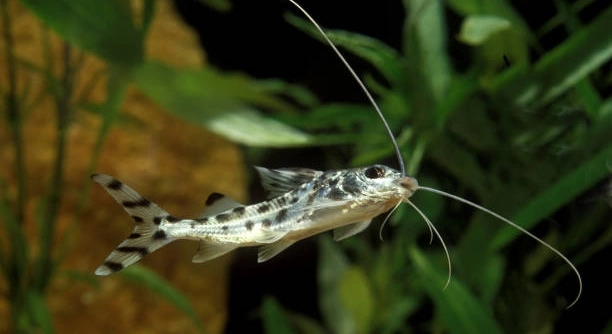
When a pictus catfish feels scared, it shows clear signs that signal its distress. These fish are sensitive to their surroundings and react quickly to sudden changes. Understanding their behavior helps in keeping them calm and healthy.
When scared, pictus catfish often dart quickly to hiding spots, increase their gill movement, flick their fins, and sometimes stay motionless to avoid threats. These responses are survival mechanisms designed to protect them in unfamiliar or stressful environments.
Recognizing these behaviors can improve your care approach and create a safer space for your pictus catfish to thrive.
Rapid Swimming and Sudden Movements
When a pictus catfish gets scared, it often swims rapidly around the tank. This quick movement is an instinctive reaction to escape potential danger. You might notice your fish darting back and forth or making sudden bursts of speed. These movements are usually short-lived, as the fish seeks a hiding spot or safer area in the aquarium. Rapid swimming increases oxygen intake but also consumes more energy, which can stress the fish if it happens too often. It is important to observe if this behavior happens frequently, as it could indicate ongoing stress or discomfort. Creating a calm environment with plenty of hiding places can help reduce these frantic movements and support your pictus catfish’s well-being.
This rapid swimming is a clear sign that the fish is trying to avoid a threat or disturbance in its environment.
Keeping the tank environment stable and free from sudden loud noises or abrupt changes will reduce the frequency of these scared, rapid swims. Providing plants or decorations can offer refuge where the fish can rest and feel secure. This also helps to lower stress and supports healthier behavior patterns.
Increased Gill Movement
Scared pictus catfish show faster gill movements as they breathe more heavily. This is a natural response to stress or fear, as the fish takes in more oxygen to prepare for possible escape or defense. When a pictus feels threatened, its metabolism speeds up, requiring additional oxygen. Observing rapid gill movement is a useful indicator of distress. It is important to monitor this closely because prolonged heavy breathing can affect the fish’s health.
When stressed, these fish can show visibly faster gill beats for extended periods, which may lead to fatigue.
To reduce this, avoid sudden changes in water temperature or quality. Consistent tank maintenance and gentle handling will keep your pictus calm. In addition, ensure the tank has proper oxygen levels and good water circulation. These conditions help maintain normal breathing patterns and reduce stress. If rapid gill movement persists, check water parameters and consider adding aeration devices. Your attentiveness to these signs will help maintain your fish’s health and comfort.
Hiding Behavior
Pictus catfish tend to hide more when scared. They look for dark or covered areas to feel safer and avoid perceived threats.
Hiding is a natural defense mechanism that helps pictus catfish reduce stress. When frightened, they quickly seek shelters such as caves, plants, or decorations. This behavior allows them to stay out of sight and calm down. Frequent hiding might indicate ongoing stress, so it’s important to assess tank conditions and nearby disturbances.
Creating a tank environment with enough hiding spots is essential. It helps the fish feel secure and lowers stress levels. Regularly check for changes in water quality or tankmates’ behavior that might cause fear, and adjust accordingly to support your pictus catfish’s comfort.
Flicking Fins
Flicking or twitching fins is a common response to fear in pictus catfish. This movement shows discomfort or alertness to nearby disturbances.
This behavior often accompanies other stress signs, like rapid swimming or hiding. It can result from sudden noises, water parameter changes, or aggressive tankmates. Flicking fins helps the fish react quickly and prepare for possible escape. However, excessive flicking can cause fin damage or infections, so it needs attention.
Reducing stressors and maintaining stable water conditions can minimize fin flicking. Ensure the tank setup is peaceful and free of sudden disruptions. Providing a balanced diet and proper care also supports fin health and overall well-being.
Staying Still and Motionless
When scared, pictus catfish sometimes freeze in place. This stillness helps them avoid detection by predators or threats.
Remaining motionless is a survival tactic. It allows the fish to blend with its surroundings until it feels safe to move again.
Loss of Appetite
Fear can cause pictus catfish to lose interest in food. Stress reduces their desire to eat and can weaken them over time.
A sudden drop in appetite may signal ongoing fear or poor tank conditions. Monitoring feeding habits helps identify stress early and supports better care.
Seeking Tank Mates
Pictus catfish may gather near other fish when scared. This behavior provides a sense of security and lowers individual stress levels.
Being near tank mates can help reduce anxiety. However, ensure the group remains peaceful to prevent additional stress from aggressive companions.
FAQ
Why does my pictus catfish suddenly swim fast and erratically?
This behavior is usually a sign of fear or stress. Pictus catfish react quickly to sudden noises, movement, or changes in their environment by swimming rapidly. It is their natural way to escape perceived threats. Frequent erratic swimming may mean the tank conditions or surroundings need adjustment to make your fish feel safer.
How can I tell if my pictus catfish is hiding because it is scared or just resting?
Hiding due to fear typically involves the fish staying out of sight for long periods and showing other stress signs like rapid gill movement or flicking fins. Resting fish tend to hide briefly and move normally afterward. If hiding is combined with other stress behaviors, it likely indicates fear or discomfort.
What causes flicking fins in my pictus catfish?
Flicking fins often happen when the fish is startled or stressed. It could be caused by aggressive tankmates, poor water quality, or sudden changes like lighting or temperature. Prolonged fin flicking can lead to fin damage, so it is important to identify and reduce any stressors quickly.
Is it normal for pictus catfish to stop eating when scared?
Yes, loss of appetite is a common reaction to fear. Stress affects their metabolism and interest in food. If your fish refuses to eat for more than a day or two, check for environmental problems or illnesses. Maintaining a stable, calm environment helps restore normal feeding habits.
Can pictus catfish get scared of other fish in the tank?
Absolutely. Pictus catfish are peaceful and can feel intimidated by aggressive or overly active tankmates. This fear triggers hiding, fast swimming, or staying close to others for safety. Ensure your tank companions are compatible and peaceful to reduce stress on your pictus catfish.
How can I reduce stress in my pictus catfish?
Create a stable environment with clean water, consistent temperature, and plenty of hiding spots. Avoid sudden changes, loud noises, or aggressive tankmates. Gentle lighting and regular feeding routines also help. Observing your fish regularly allows you to spot early signs of stress and act accordingly.
What should I do if my pictus catfish is constantly hiding?
Frequent hiding indicates ongoing fear or discomfort. Review water parameters like pH, temperature, and ammonia levels. Check for aggressive fish in the tank. Adding more decorations or plants can provide extra hiding places, but the goal is to identify and remove the stress source to help your fish feel secure.
Are rapid gill movements dangerous for pictus catfish?
Rapid gill movements indicate stress and increased oxygen demand. While temporary episodes are normal, prolonged heavy breathing can cause fatigue or health problems. Good water quality, proper aeration, and stable tank conditions are essential to prevent chronic stress and maintain healthy breathing.
Do pictus catfish prefer to be in groups?
Yes, pictus catfish are social fish and feel safer in groups of three or more. Being in a group reduces fear and encourages natural behavior. However, avoid overcrowding and ensure tank mates are peaceful to maintain a calm, stress-free environment.
Can changing tank decorations scare my pictus catfish?
Sudden changes in the tank layout can cause stress. Pictus catfish rely on familiar hiding spots and territory. When decorations are moved or removed, it can trigger fear and hiding behaviors. Make changes gradually and give your fish time to adjust to minimize stress.
Final Thoughts
Understanding how pictus catfish react when they are scared helps create a better environment for them. These fish have natural survival instincts that make them swim quickly, hide, flick their fins, or stay still when feeling threatened. Recognizing these signs early can help you adjust the tank conditions to reduce stress and keep your fish healthy. Simple actions, like adding hiding spots and keeping the water clean, make a big difference in how comfortable your pictus catfish feels.
Keeping the tank stable is key. Sudden changes in water temperature, lighting, or tank decorations can cause fear and stress in your fish. They need a calm and predictable environment to thrive. Observing their behavior regularly will allow you to notice any changes that might indicate stress or illness. If you see signs like rapid gill movement, loss of appetite, or constant hiding, it is important to check water quality and tank mates. Addressing these issues promptly helps prevent long-term health problems.
Caring for pictus catfish means paying attention to their needs and respecting their natural behavior. They are social fish that feel safer with tank mates and need space to hide and rest. Providing a balanced diet, good water conditions, and a peaceful tank setup supports their well-being. The better the environment, the less scared your pictus catfish will be, leading to healthier and happier fish overall. Regular care and observation are essential to understanding and responding to their behavior.

Hello,
If you enjoy the content that we create, please consider saying a "Thank You!" by leaving a tip.
Every little bit helps us continue crafting quality advice that supports the health, happiness, and well-being of pets around the world, for pets of all shapes, sizes, and species.
We really appreciate the kindness and support that you show us!