
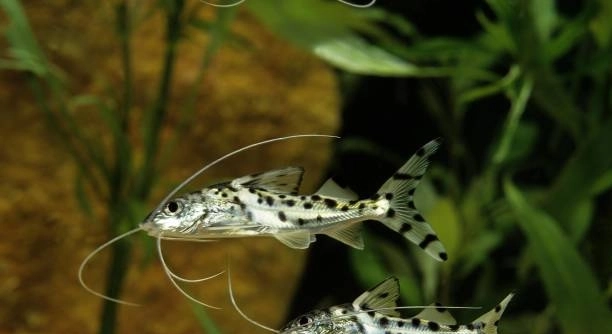
Pictus catfish are popular aquarium fish known for their active swimming and unique spotted patterns. Proper tank placement is important to ensure their well-being and to create a healthy environment for them. Avoiding common mistakes helps maintain a balanced aquarium.
Incorrect tank placement can lead to stress, injury, and poor water quality for pictus catfish. Issues such as overcrowding, improper hiding spaces, and unstable substrates negatively affect their health and behavior. Proper placement promotes their natural instincts and longevity.
Understanding these common placement mistakes will help you create a better habitat for your pictus catfish and improve their overall care and comfort.
Avoid Overcrowding the Tank
Overcrowding is a common mistake that can cause stress for pictus catfish. These fish need plenty of space to swim freely because they are active swimmers. When the tank is crowded, they may become aggressive or hide too much. Overcrowding also leads to poor water quality since more fish produce more waste. This makes it harder to keep the tank clean and safe. Maintaining proper tank size and stocking levels helps ensure your pictus catfish remain healthy and calm. It also allows better oxygen circulation, which is essential for their well-being. Providing enough room supports their natural behavior and reduces the chance of disease.
Keeping the right number of fish will help prevent stress and health issues in your tank.
Pictus catfish generally need at least 30 gallons for a small group. Larger tanks are better for more fish. Adding proper filtration and regular water changes supports clean water. A less crowded tank helps your fish stay active and visible.
Avoid Placing Tanks Near High Traffic Areas
Tanks placed in noisy or busy areas cause constant disturbances to pictus catfish. These fish prefer calm environments without sudden vibrations or loud sounds. Noise and movement outside the tank can stress them and make them hide frequently. Stress weakens their immune systems, increasing the risk of illness. It also disrupts their natural swimming patterns. A quiet spot away from doors, loud appliances, and heavy foot traffic is ideal. Placing tanks near windows with direct sunlight should also be avoided because it can cause temperature fluctuations and algae growth. Choosing a stable, calm location helps your pictus catfish feel secure and behave naturally over time.
Avoid Using Sharp or Rough Decorations
Sharp or rough decorations can injure pictus catfish, which have delicate fins and sensitive skin. These injuries can lead to infections and stress, making it important to choose smooth, safe decorations.
Choosing decorations made from smooth stones, driftwood, or soft plants reduces the risk of cuts and scrapes. Avoid items with sharp edges or rough surfaces that may harm your fish during swimming or hiding. Smooth decorations also make it easier for pictus catfish to explore without fear of injury. Regularly inspect decorations for wear or sharp spots caused by tank conditions. Safe decor promotes a comfortable environment and encourages natural behavior without the threat of injury.
Keeping the tank safe with appropriate decorations helps maintain your fish’s health and reduces stress-related problems in your aquarium.
Avoid Placing the Tank in Direct Sunlight
Direct sunlight can cause temperature fluctuations and promote algae growth, which disrupts the tank environment. Stable temperatures are essential for pictus catfish health.
Sunlight heats the tank water unevenly, leading to stress for the fish and affecting their immune systems. Algae growth from sunlight reduces water quality by consuming oxygen and releasing toxins. This imbalance makes it harder to maintain clear water and proper filtration. Placing the tank in a shaded or low-light area prevents these problems. It also keeps water temperatures steady, supporting fish activity and overall health. Controlling light exposure helps you maintain a clean, balanced tank environment for your pictus catfish over time.
Avoid Using Substrates That Are Too Rough
Rough substrates can harm pictus catfish’s sensitive barbels and fins. Soft, smooth gravel or sand is better suited for their comfort and safety.
Choosing a gentle substrate protects their delicate parts and encourages natural foraging behavior. It also prevents injuries that can lead to infections or stress.
Avoid Placing the Tank Near Loud Appliances
Loud appliances create vibrations and noise that disturb pictus catfish. These fish thrive in quiet environments without constant disruptions.
Sudden noises cause stress and may lead to hiding or erratic swimming. Keeping the tank away from appliances helps maintain calm conditions and supports their well-being.
Avoid Placing the Tank in Areas with Poor Air Circulation
Poor air circulation can cause stagnant air around the tank, affecting humidity and temperature control. Proper airflow helps stabilize tank conditions.
FAQ
What tank size is best for pictus catfish?
A minimum of 30 gallons is recommended for a small group of pictus catfish. These fish are active swimmers and need space to move freely. Larger tanks provide a healthier environment by reducing stress and improving water quality.
Can pictus catfish live with other fish?
Yes, pictus catfish can live peacefully with other species that share similar water requirements and temperament. Avoid aggressive or very small fish that might be mistaken for food. Ideal tankmates include other peaceful, medium-sized fish.
How often should I clean the tank?
Regular water changes of 20-30% every week or two help maintain water quality. Cleaning the substrate and decorations periodically prevents waste buildup. Proper filtration is also key to keeping the tank environment healthy.
What type of substrate is best?
Soft sand or smooth gravel is ideal. Rough substrates can damage the delicate barbels of pictus catfish, causing injury or infection. Soft substrates also encourage natural foraging behavior.
Do pictus catfish need hiding spots?
Yes, they appreciate places to hide and feel secure. Use smooth rocks, driftwood, or plants to create shelter. Proper hiding spots reduce stress and encourage natural behaviors.
What water temperature do pictus catfish prefer?
They thrive in temperatures between 72°F and 79°F (22°C to 26°C). Keeping the temperature stable helps avoid stress and illness.
Are pictus catfish nocturnal?
They are mostly nocturnal but can be active during the day, especially in dim lighting. Providing hiding spots allows them to rest comfortably.
Can pictus catfish jump out of the tank?
Yes, they are known to be jumpers. A secure lid or cover on the tank is necessary to prevent escapes.
How do I know if my pictus catfish is stressed?
Signs include hiding excessively, loss of appetite, erratic swimming, or damaged fins. Addressing water quality and tank conditions usually helps reduce stress.
What do pictus catfish eat?
They are omnivores and enjoy a varied diet. High-quality sinking pellets, live or frozen foods like bloodworms, and vegetable matter are good options. A balanced diet supports their health and coloration.
Can pictus catfish tolerate different water pH levels?
They prefer slightly acidic to neutral pH, around 6.5 to 7.5. Sudden changes should be avoided to prevent stress.
How many pictus catfish should I keep together?
It’s best to keep them in groups of at least three or more. They are social fish and feel safer in small schools, which reduces stress and promotes natural behavior.
Is it necessary to add plants to the tank?
Plants are beneficial as they provide shelter and improve water quality. Live plants also help mimic their natural habitat, supporting well-being.
What should I do if my pictus catfish is injured?
Isolate the injured fish in a separate hospital tank. Clean the tank and monitor water quality closely. Treat infections with appropriate medication recommended by an aquatic specialist.
Can pictus catfish live in brackish water?
They prefer freshwater environments. Brackish water is not recommended as it may cause health problems.
How long do pictus catfish live?
With proper care, they can live between 8 to 10 years. Maintaining a stable environment and good diet extends their lifespan.
Proper tank placement is essential for keeping pictus catfish healthy and happy. Paying attention to their needs helps prevent stress, injuries, and poor water quality. Avoiding common mistakes like overcrowding, placing tanks in noisy areas, or using sharp decorations can make a big difference. When pictus catfish have a safe and comfortable environment, they show their natural behavior and live longer. Small changes in tank setup often lead to better results than many realize.
Choosing the right tank location is just as important as selecting the right equipment. Tanks should be placed away from direct sunlight and loud appliances to maintain stable temperatures and calm surroundings. Using smooth substrates and decorations protects the fish’s delicate fins and barbels from damage. Including hiding spots reduces stress and provides security. Proper care also means keeping the water clean and monitoring conditions regularly. A stable environment supports pictus catfish’s immune systems and helps prevent diseases.
In the end, good tank placement shows respect for the needs of pictus catfish and supports their well-being. It encourages natural activity and reduces the risk of health issues. Creating a peaceful and safe space for them benefits both the fish and the aquarium keeper. Taking time to plan and arrange the tank carefully leads to a more enjoyable and successful aquarium experience. Simple steps like these can greatly improve the quality of life for pictus catfish.

Hello,
If you enjoy the content that we create, please consider saying a "Thank You!" by leaving a tip.
Every little bit helps us continue crafting quality advice that supports the health, happiness, and well-being of pets around the world, for pets of all shapes, sizes, and species.
We really appreciate the kindness and support that you show us!