
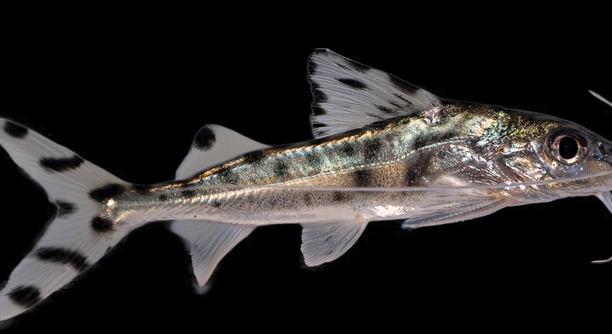
Many people enjoy keeping Pictus catfish as pets because of their peaceful nature and active behavior. These fish are relatively easy to care for, but knowing when to leave them alone is important for their well-being. Understanding their needs helps prevent stress and health issues.
Pictus catfish require periods of rest and minimal disturbance to maintain their health and natural behavior. Avoid handling or interacting with them during feeding, breeding, illness, and times of environmental change. Respecting these moments supports their overall welfare.
Recognizing these situations helps you create a comfortable environment for your Pictus and promotes a long, healthy life for your fish.
When Your Pictus Is Feeding
Pictus catfish can be very active and eager during feeding times, often swimming around quickly and searching for food. It is important not to disturb them at this moment. Handling or tapping the tank can stress the fish, which may cause them to hide or refuse food. Feeding is a crucial part of their daily routine, and interruptions can affect their appetite and health. Allowing your Pictus to eat in peace supports proper digestion and helps maintain their energy. If you notice your fish becoming skittish or hiding more after feeding, it may be a sign that they are stressed. Maintaining a calm and quiet environment during feeding ensures they remain comfortable and enjoy their meals. Consistency in feeding schedules also helps reduce anxiety. Overall, giving your Pictus space at feeding time is an easy way to improve their care.
Feeding disturbance causes stress that negatively affects your Pictus’ health and appetite.
Creating a peaceful feeding environment is key. Keep noise and movement near the tank to a minimum. Avoid tapping or reaching into the tank while they eat. This respect for their feeding time helps your Pictus stay relaxed and healthy. Additionally, providing high-quality food suitable for their diet will support their overall well-being. Remember that patience is important; give them time to finish eating before any interaction. This simple habit improves their comfort and reduces unnecessary stress.
During Breeding Periods
Pictus catfish become more sensitive and protective during breeding. They may retreat to hiding spots and display unusual behavior. At this time, avoid any disturbances, including tank cleaning or rearranging decorations. Stress during breeding can cause the fish to abandon eggs or fry. It is important to give them privacy and a stable environment. If you keep multiple fish, reduce tank activity and prevent other fish from disturbing the breeding pair. Providing plenty of hiding places helps them feel secure. Monitoring water quality carefully during this period is essential since poor conditions can affect reproduction. Letting your Pictus breed without interference increases the chances of successful hatching and healthy offspring. After spawning, maintain quiet and consistent care to support the fragile young fish. This patient approach benefits both adult and baby Pictus.
Breeding Pictus need privacy, calm, and stable water conditions to thrive.
To support your fish during breeding, avoid sudden changes or disruptions. Keep the tank quiet and maintain a clean environment with gentle water flow. Use dim lighting or provide shaded areas to reduce stress. Limiting handling or tank visits helps them focus on reproduction. Observing from a distance allows you to monitor their health without interference. This careful attention improves breeding success and keeps the fish healthy during this sensitive time. If you notice signs of distress, reassess tank conditions and reduce any potential stressors. Ensuring proper nutrition and water parameters also contributes to the well-being of both adults and fry. Overall, patience and respect during breeding help your Pictus thrive naturally.
When Your Pictus Is Sick
Sick Pictus catfish need minimal disturbance to recover properly. Avoid handling or moving them unnecessarily. Stress can worsen their condition and delay healing.
Illness weakens Pictus catfish, making them more vulnerable to stress. Handling or sudden movements can increase their stress levels and worsen symptoms. It is best to keep the environment calm and stable, maintain optimal water quality, and avoid unnecessary changes. Feeding should be reduced or adjusted depending on the illness to avoid further strain. Monitoring water temperature and parameters helps support recovery. If medication is required, follow instructions carefully to prevent harm. Allowing your Pictus quiet time helps them focus energy on healing rather than coping with stressors.
Ensuring a peaceful environment is vital during illness. Regular water changes with careful monitoring prevent toxins from building up, which could harm the fish. Reducing tank activity and avoiding sudden noises or vibrations are also important. Providing hiding spots offers security and reduces anxiety. If symptoms worsen, isolate the affected fish to prevent spreading illness. Proper care and patience during this time are essential to support your Pictus through recovery.
After a Tank Move or Major Change
After moving your Pictus or changing the tank setup, they may feel stressed and disoriented. Give them time to adjust before interacting much.
Changes in environment cause stress by disrupting familiar surroundings. Pictus catfish rely on stable water conditions and consistent habitat features. Sudden alterations in tank layout, lighting, or water chemistry can cause anxiety, leading to hiding or reduced activity. To help your Pictus adjust, maintain consistent water parameters and avoid frequent rearranging. Keep the tank quiet and minimize handling for several days. Providing familiar decorations and hiding spots supports their sense of security. Gradually introducing changes rather than sudden shifts also reduces stress. This patient approach helps your fish settle quickly and maintain health after changes.
When Your Pictus Is Hiding Frequently
Frequent hiding is a sign your Pictus may be stressed or uncomfortable. Avoid disturbing the tank or making sudden movements near the fish.
Stress can come from overcrowding, poor water quality, or aggressive tank mates. Giving your Pictus space and maintaining stable conditions helps reduce hiding behavior.
During Water Changes
Water changes can unsettle Pictus catfish if done too quickly or with large volume shifts. Slow, partial changes are best to avoid stress.
After Adding New Tank Mates
Introducing new fish can cause stress and territorial behavior. Give your Pictus time to adjust and observe interactions carefully.
When Your Pictus Shows Signs of Aggression
Aggression often signals stress or overcrowding. Reducing tank population and providing hiding spots helps calm your fish.
FAQ
Why should I leave my Pictus alone during feeding?
Disturbing your Pictus during feeding can stress them out and cause them to eat less or refuse food. They rely on a calm environment to feel safe while searching for food. Avoid tapping on the tank or reaching in during this time to keep them comfortable and healthy.
How do I know if my Pictus is sick?
Signs of illness include lethargy, loss of appetite, abnormal swimming, or visible spots and discoloration. If your Pictus hides more than usual or shows unusual behavior, it might be sick. Early detection and minimal disturbance improve recovery chances.
Is it necessary to leave my Pictus alone after a tank move?
Yes. Moving tanks or changing decorations disrupts their environment and can stress them. Giving your fish time to adjust without interference helps reduce anxiety and prevents illness caused by stress.
What should I do if my Pictus is hiding all the time?
Frequent hiding usually means stress or discomfort. Check water quality, tank mates, and ensure there is enough space and hiding places. Avoid sudden changes or loud noises to help your Pictus feel safe.
Can I handle my Pictus during illness?
It is best to avoid handling your fish when it is sick. Handling causes stress, which can worsen symptoms. Focus on keeping water clean, stable, and providing proper medication if needed.
How often should I do water changes to avoid stressing my Pictus?
Regular partial water changes are recommended, about 20-30% weekly. Large or sudden water changes can shock your fish. Gradual changes maintain stable water chemistry and reduce stress.
What are signs of aggression in Pictus catfish?
Aggression includes chasing, fin nipping, or territorial behavior. It often indicates overcrowding or stress. Providing more hiding spots and enough space can help reduce aggression.
Should I leave my Pictus alone during breeding?
Yes. Pictus catfish need privacy during breeding to prevent stress and increase the chances of successful spawning. Avoid tank cleaning or rearranging during this time.
How do new tank mates affect my Pictus?
New fish can cause stress due to competition or territorial disputes. Introduce new tank mates slowly and observe interactions. Leave your Pictus alone if aggression or hiding increases.
What are the best hiding spots for Pictus catfish?
Provide caves, plants, and decorations that mimic their natural habitat. Hiding spots reduce stress by offering security and rest areas, especially during illness or breeding.
Is it okay to tap the glass to get my Pictus’ attention?
No. Tapping the glass startles Pictus catfish and increases stress. They respond better to gentle movements and consistent routines without sudden noises.
Can environmental changes affect my Pictus’ behavior?
Yes. Changes in light, temperature, or water parameters can cause stress and unusual behavior. Maintain stable conditions and introduce changes gradually to keep your fish comfortable.
What should I do if my Pictus refuses to eat?
Refusal to eat can indicate stress, illness, or poor water quality. Check tank conditions first. If everything is normal, reduce disturbances and monitor for signs of disease. Feeding smaller portions or different food types may help.
How important is a quiet environment for Pictus catfish?
A quiet environment helps reduce stress. Loud noises, vibrations, or frequent disturbances can scare them. Keep the tank area calm, especially during feeding, illness, or breeding.
How long should I wait before interacting with my Pictus after a major tank change?
Wait several days to a week before much interaction. This allows your fish to adjust to new surroundings and reduces stress. During this time, maintain stable water conditions and minimize disturbances.
Knowing when to leave your Pictus catfish alone is important for their health and happiness. These fish are sensitive to stress, and disturbances during certain times can affect their behavior and well-being. Giving your Pictus space during feeding, breeding, illness, or after major changes helps them feel safe and secure. This care allows them to maintain natural behaviors and recover quickly when needed. Paying attention to their cues can guide you in providing the best environment.
Maintaining stable water conditions and a calm tank environment supports your Pictus’ comfort. Sudden changes in water quality, lighting, or tank setup can cause anxiety and hiding behavior. Consistent feeding routines and gentle care reduce stress. It is helpful to provide plenty of hiding places so your fish have safe spots to retreat to. Avoid unnecessary handling and loud noises near the tank, especially during sensitive times. These small efforts make a significant difference in the overall health of your Pictus.
Ultimately, respect for your Pictus catfish’s needs improves their quality of life. Understanding when to give them space and how to create a peaceful environment supports their natural habits and longevity. Taking a patient and careful approach to their care ensures they thrive in your aquarium. With proper attention and minimal disturbance, your Pictus can live a healthy and content life.

Hello,
If you enjoy the content that we create, please consider saying a "Thank You!" by leaving a tip.
Every little bit helps us continue crafting quality advice that supports the health, happiness, and well-being of pets around the world, for pets of all shapes, sizes, and species.
We really appreciate the kindness and support that you show us!