
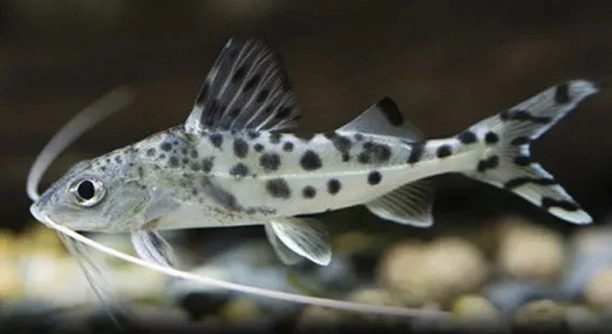
Do you keep pictus catfish and wonder if the room temperature in your home might be affecting their health or activity levels?
Pictus catfish are affected by room temperature when it causes fluctuations in tank water temperature. These fish thrive in stable, warm environments. Sudden changes due to room conditions can lead to stress, illness, or reduced activity.
Maintaining the right environment is key, and learning how room temperature influences their tank can help you support their well-being.
How Room Temperature Affects Water Conditions
When the temperature in your home changes, it can cause your aquarium’s water temperature to fluctuate. Pictus catfish prefer water between 75°F and 81°F. If the room becomes too cold or too hot, it can push the water temperature outside of this range. Even slight changes can cause stress in these fish. Room temperature also affects how well your tank heater performs. A heater in a very cold room may struggle to keep the water warm enough. On the other hand, a warm room might cause the heater to overshoot the ideal range. Consistency matters most. Pictus catfish do not handle sudden shifts well. Prolonged exposure to temperatures outside of their comfort zone can lead to weakened immune systems, slower metabolism, and increased risk of illness. Monitoring both your room and tank temperature can help you keep things steady and safe for your fish.
Even if your heater is working, a drafty or overheated room can still throw off the balance.
It’s important to keep the tank away from windows, air vents, or radiators. These areas often create temperature spikes. If your tank is placed too close to them, the heater may struggle to keep up. Using a thermometer helps track any sudden changes. Digital thermometers can alert you when the temperature falls outside the safe zone, allowing for quicker adjustments. If your room temperature fluctuates regularly, consider using an aquarium heater with a thermostat that keeps water conditions more stable. Another option is to insulate the tank by using a tank lid or a background to reduce heat loss. Also, avoid placing the tank in rooms that experience frequent temperature swings, like kitchens or garages. These areas are harder to control and often lead to unstable tank conditions. Keeping your tank in a temperature-controlled area is one of the best ways to protect your pictus catfish from unnecessary stress.
Signs Your Fish Are Affected
Pictus catfish will often show signs of stress when water temperatures shift too much. These signs are important to recognize early.
If the water gets too cold, pictus catfish may move slowly or hide more often. Their metabolism slows, which can affect their eating and activity levels. Cold water can also weaken their immune system, making them more likely to get sick. If the water gets too warm, they may swim erratically, breathe faster, or become more aggressive. You might also notice them spending more time near the surface, where oxygen levels are higher. These changes can lead to long-term health issues if not corrected quickly. Keeping an eye on your catfish every day helps you catch changes before they turn into bigger problems. If you notice anything unusual, check the water temperature right away. Adjust the heater or move the tank if needed. Small changes in setup can make a big difference in keeping your fish safe and healthy.
Preventing Temperature Fluctuations
The easiest way to avoid temperature issues is by keeping your tank in a room with a stable climate. Avoid spaces that get too hot or cold throughout the day.
Using a high-quality heater with a built-in thermostat helps regulate water temperature more accurately. Pairing it with a reliable aquarium thermometer allows you to monitor the water daily. If the room is cold, you can wrap part of the tank with insulating material to reduce heat loss. For warmer rooms, use a fan near the tank or adjust the air conditioning slightly to help maintain consistency. Avoid opening windows near the tank or placing it in direct sunlight. Both can cause the water to heat up quickly. Regular water checks, along with watching your fish for any changes in behavior, will help keep the environment stable and safe.
Power outages or heater failures can also lead to sudden temperature drops. In colder months, keeping a battery-operated heater or warm packs on hand can help in emergencies. You can also use thick towels or blankets to insulate the tank temporarily. In warmer weather, frozen water bottles placed in a zip-lock bag and floated in the tank can cool it down safely. Always monitor changes closely and adjust gradually. Quick shifts can do more harm than help. It’s also helpful to have a second thermometer just in case the first one becomes faulty. Having a backup plan ready protects your fish and gives you peace of mind. Acting early can prevent serious problems caused by unstable room conditions.
Best Equipment for Stable Conditions
A heater with adjustable settings and a thermostat is one of the most reliable tools for keeping pictus catfish tanks at a consistent temperature. It works better than preset models.
Choose a heater that suits your tank size—larger tanks may need more powerful heaters. Look for brands with safety features like automatic shut-off to prevent overheating. Consider placing the heater near the filter output so the warm water spreads evenly across the tank. A thermometer that offers both digital and continuous readings is also a must. These help you notice even small changes. If your tank is in a cooler room, using a lid helps retain heat. In warm conditions, you can install a small fan or cooling unit designed for aquariums. Also, power strips with surge protection help protect your equipment during sudden electrical issues. Keeping spare supplies nearby, like an extra heater, can save time when things go wrong.
How Lighting and Room Temperature Work Together
Aquarium lights give off heat, which can slowly raise water temperature throughout the day. This effect becomes more noticeable in small tanks or poorly ventilated rooms.
Leaving the lights on too long can increase the temperature beyond the safe range. A timer helps keep the lighting schedule consistent and controlled.
Room Placement Tips for Stable Water
Placing your tank in the center of a room helps reduce exposure to external temperature changes. Avoid windows, doors, or areas where sunlight and drafts can affect the water. Room placement matters more than people think, especially for sensitive species like pictus catfish. A steady environment keeps them healthy.
Small Daily Checks Help
A quick check of your thermometer every day can prevent serious issues. It only takes a minute and makes a big difference.
FAQ
Can pictus catfish survive in room temperature water without a heater?
Pictus catfish are tropical fish that require warm, stable water temperatures between 75°F and 81°F. Most room temperatures fall below this range, especially at night or during colder months. Without a heater, the water can drop too low, leading to stress, illness, or even death. While some homes may maintain warmer temperatures, fluctuations still occur. These swings can be harmful over time. A reliable heater helps maintain consistency and prevents sudden changes that affect your catfish. Even if the room feels warm to you, it might not be stable or warm enough for your fish.
How often should I check the tank temperature?
It’s best to check the tank temperature once a day. This habit helps catch any unusual drops or spikes early. If you live in an area where the weather changes often, checking twice a day is even better—once in the morning and once at night. This helps you understand how room temperature affects your tank over time. A quick glance at a thermometer only takes a moment and can prevent more serious problems. Digital thermometers with alerts can also notify you if the temperature goes outside the safe range, giving you time to respond quickly.
Do LED lights heat the water?
LED lights produce very little heat compared to other types of aquarium lighting. However, in small tanks or tanks with poor air circulation, they can still raise the temperature slightly over time. The effect is usually minor, but it’s good to monitor the temperature if your lights stay on for long periods. Using a timer to control how long the lights stay on helps reduce heat buildup. Proper ventilation and regular temperature checks can prevent this small increase from becoming a larger issue, especially if the room is already warm or gets direct sunlight during the day.
What should I do if the room gets too cold at night?
If your room cools down significantly at night, use a heater with a thermostat to keep the water temperature stable. You can also insulate the tank by placing foam panels or a thick background on the sides and back. Avoid placing the tank near windows, especially in winter. Covering the top of the tank with a secure lid helps retain heat as well. If you expect extreme cold or a power outage, wrap the tank with a blanket to trap warmth temporarily. Always keep an eye on the temperature and act quickly if it drops too far.
Can temperature swings cause illness in pictus catfish?
Yes, temperature swings can weaken your catfish’s immune system and increase the risk of illness. Fish kept in unstable water conditions are more likely to develop infections like ich or fin rot. Stress from fluctuating temperatures can also cause them to stop eating or become more aggressive. Maintaining a steady environment helps prevent these issues and supports overall health. If you notice changes in behavior or appearance, check the water temperature first. Stabilizing the tank quickly can stop the problem from getting worse. Consistency is more important than hitting a perfect number every hour of the day.
How do I cool down the tank if the room gets too hot?
To cool the tank, you can float a sealed plastic bag filled with ice or frozen water bottles. This brings the temperature down slowly without shocking the fish. Aim to lower the temperature gradually over several hours. Small aquarium fans or room fans placed near the tank also help improve air circulation and reduce heat buildup. Avoid using cold tap water directly, as sudden drops can cause more harm than good. Keep the tank away from direct sunlight and turn off the lights if needed. Monitoring both room and tank temperature ensures safer, more effective cooling methods.
Can I rely only on room temperature if my house stays warm year-round?
Even if your house stays warm most of the time, using only room temperature is still risky. Daytime heat may seem consistent, but nights and seasonal changes can cause small dips that affect the water. Pictus catfish are sensitive to changes, not just extreme temperatures. A heater adds stability and makes it easier to keep the tank within the recommended range. If the room truly never drops below 75°F and the temperature is stable, it might work temporarily. However, a heater is still the safer and more reliable option for long-term care.
Final Thoughts
Keeping pictus catfish healthy means paying attention to more than just feeding and cleaning. Temperature plays a big role in how well they thrive. Even if your home feels comfortable to you, your fish may experience stress if the water temperature isn’t steady. These fish come from warm river habitats, so they need stable, tropical conditions in their tanks. Sudden shifts—even just a few degrees—can lead to illness, lower activity, or poor appetite. Using a heater, placing the tank in a good location, and checking the water daily are simple habits that make a big difference in keeping your fish safe.
Room temperature affects water more than many people expect. Heat from sunlight, cold drafts from windows, or changes in your home’s temperature at night can all impact your tank. This is why tank placement and insulation are just as important as having the right equipment. Even small details—like using a lid or moving the tank away from a vent—can help maintain consistent water conditions. By keeping the tank in a calm, temperature-controlled area, you’re helping your fish live in a space that stays close to what they need in nature. It’s a basic part of fish care, but one that often gets overlooked.
Pictus catfish are active, curious fish that do well when their environment is right. When the temperature stays in the correct range, they eat well, swim freely, and stay healthier overall. Watching for early signs of temperature problems—like hiding, fast breathing, or changes in behavior—can help you fix things before they become serious. Keeping things simple and steady works best. You don’t need fancy tools or advanced systems to care for your fish properly. A good heater, a thermometer, and a bit of daily attention are usually enough. With the right setup and a little effort, you can keep your pictus catfish safe, active, and thriving.

Hello,
If you enjoy the content that we create, please consider saying a "Thank You!" by leaving a tip.
Every little bit helps us continue crafting quality advice that supports the health, happiness, and well-being of pets around the world, for pets of all shapes, sizes, and species.
We really appreciate the kindness and support that you show us!