
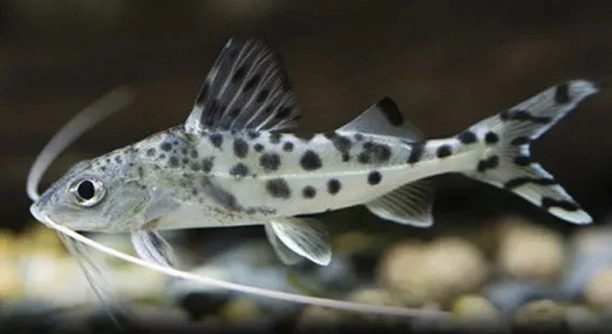
Is your Pictus catfish suddenly avoiding food? Many fish owners notice this change and wonder what might be causing it. This behavior can be unsettling, especially if your fish usually eats well and looks healthy.
A Pictus catfish may stop eating due to stress, illness, poor water conditions, or changes in diet. These factors disrupt their normal behavior, leading to a temporary or prolonged loss of appetite that requires attention to restore health.
Understanding the reasons behind this change will help you care for your fish better. There are simple steps to identify and fix the problem to keep your catfish happy and healthy.
Common Causes of Food Avoidance in Pictus Catfish
Pictus catfish may stop eating for several reasons, often related to their environment or health. Stress is one of the most frequent causes. Changes in water temperature, poor water quality, or sudden tank rearrangements can make your fish uncomfortable. Illness is another reason; infections or parasites often reduce appetite. Diet changes or unappealing food might also cause refusal to eat. Sometimes, the fish might just be hiding or resting more, giving the impression of avoidance. Monitoring your tank’s conditions and your fish’s behavior closely helps identify the problem. Keeping the water clean and stable is essential for their well-being. If the fish continues to avoid food, checking for signs of illness, such as spots or unusual swimming patterns, is necessary. Acting quickly can prevent further health problems and help your Pictus catfish return to normal eating habits.
A stable environment with proper water quality is key to preventing food refusal in Pictus catfish.
Keeping your tank clean and stable ensures your catfish feel safe. Avoid sudden changes, provide varied food, and observe any signs of sickness closely. Early action helps maintain their health and appetite.
Water Quality and Its Impact on Appetite
Water quality plays a vital role in your Pictus catfish’s appetite and overall health. Poor water conditions stress the fish and can lead to refusal to eat. Ammonia, nitrite, and nitrate levels must be kept low. Regular water changes and testing help maintain these levels. Temperature fluctuations can also affect feeding behavior, so a consistent temperature range is important. Using a good filter and avoiding overcrowding in the tank improves water quality. If water parameters are off, your catfish may become lethargic and lose interest in food. Clear, clean water helps them feel secure and encourages normal feeding. Maintaining proper pH and oxygen levels also supports their health. Regular maintenance and monitoring prevent problems that cause food avoidance. Ensuring optimal water conditions supports your fish’s appetite and vitality every day.
Signs of Illness Affecting Appetite
Illness can cause your Pictus catfish to stop eating. Watch for signs like faded color, clamped fins, or unusual swimming. These symptoms often indicate an infection or parasite.
If your fish shows these signs, it’s important to act quickly. Illness weakens the immune system and can cause more serious health issues. Isolate the sick fish if possible to avoid spreading the problem. Use appropriate medication based on the symptoms and consult a vet or aquarium specialist if needed. Good water quality supports recovery and helps prevent illness in the first place.
Keeping an eye on your catfish’s behavior daily helps catch problems early. Early treatment improves chances of a full recovery and return to normal feeding.
Adjusting Diet to Encourage Eating
Changes in diet can lead to food refusal in Pictus catfish. They may reject unfamiliar or low-quality food. Offering a variety of fresh, high-quality options can help. Frozen or live foods like bloodworms and brine shrimp often stimulate appetite. Avoid overfeeding, which can cause stress and water quality issues.
Feeding small amounts multiple times a day is better than one large meal. This approach mimics their natural feeding habits. Also, try feeding at different times to find when your catfish is most active. Patience is key; sometimes fish need time to adjust to new food or tank conditions. Observing their preferences and habits helps maintain a healthy diet and encourages regular eating.
Tank Environment and Stress
Stress from tank environment changes can cause your Pictus catfish to avoid food. Loud noises, bright lights, or new tank mates may make them nervous.
Keeping the tank quiet, dimly lit, and stable helps reduce stress. A calm environment encourages regular feeding and healthier behavior.
Role of Tank Mates
Aggressive or overly active tank mates can intimidate your Pictus catfish, making it avoid feeding times. They may hide or stay in corners to avoid confrontation.
Choosing peaceful, compatible fish and providing enough hiding spots improves your catfish’s comfort and appetite. Proper tankmate selection supports a balanced and stress-free aquarium.
When to Seek Professional Help
If your catfish continues to avoid food despite good care, consulting an expert is important. A vet or aquarium specialist can diagnose hidden health issues and suggest treatment options. Early intervention increases the chance of recovery.
FAQ
Why is my Pictus catfish hiding and not eating?
Hiding is often a sign of stress or illness. If your catfish feels unsafe due to new tank mates, poor water conditions, or sudden changes in the environment, it may hide and avoid food. Illness can also cause lethargy and hiding. Check water quality, observe for signs of disease, and provide plenty of hiding places to help your fish feel secure.
How long can a Pictus catfish go without eating?
Pictus catfish can survive a few days to a week without food, but this is not healthy for them. Prolonged fasting weakens their immune system and may lead to illness. If your fish is refusing food for more than two days, investigate the cause and take steps to improve conditions or seek help.
What foods do Pictus catfish prefer?
Pictus catfish enjoy a variety of foods, including sinking pellets, frozen or live bloodworms, brine shrimp, and small insects. They are bottom feeders and prefer food that settles on the tank floor. Offering a mix of protein-rich options helps stimulate their appetite and supports their health.
Can water temperature affect their eating habits?
Yes, water temperature has a direct impact on metabolism and appetite. Pictus catfish thrive best between 72°F and 78°F (22°C–26°C). If the temperature is too low, their metabolism slows, leading to less interest in food. Temperatures that are too high can stress them. Maintaining stable, suitable temperatures encourages normal feeding behavior.
Is overfeeding a problem for Pictus catfish?
Overfeeding can cause leftover food to pollute the tank, leading to poor water quality and stress for your fish. It also may cause digestive issues in the catfish. Feed small amounts that they can eat within a few minutes, once or twice a day, to keep your tank clean and your fish healthy.
What signs indicate that my Pictus catfish is sick?
Look for faded colors, clamped fins, rapid breathing, unusual swimming patterns, spots, or bloating. Loss of appetite is often an early sign of illness. If you notice any of these symptoms, test your water quality and consider isolating the fish to prevent spreading infection.
How often should I clean the tank to keep my Pictus catfish healthy?
Regular maintenance is crucial. Perform partial water changes of 20-30% weekly to keep ammonia, nitrites, and nitrates low. Clean the substrate and filter as needed but avoid complete cleaning, which can disrupt beneficial bacteria. Good tank hygiene supports your fish’s appetite and overall health.
Can stress from tank mates cause food refusal?
Yes, aggressive or fast-moving fish can intimidate Pictus catfish. If your catfish feels threatened, it may hide or avoid eating. Choose peaceful tank mates and provide hiding spots to reduce stress and encourage normal feeding habits.
Should I change the food if my Pictus catfish stops eating?
Trying different foods can help if your catfish suddenly refuses food. Sometimes they become bored or do not like a new brand or type of food. Offer live or frozen options like bloodworms or brine shrimp to entice them. Gradual changes are best to avoid upsetting their digestion.
When is it necessary to see a vet or specialist?
If your Pictus catfish refuses food for more than three days, shows signs of illness, or does not improve after fixing tank conditions, seek professional advice. A specialist can diagnose issues like infections or parasites and recommend treatment, increasing your fish’s chance of recovery.
Final Thoughts
Taking care of a Pictus catfish means paying close attention to its eating habits and overall behavior. Sudden food refusal is usually a sign that something in their environment or health is off. It is important to check water quality, tank conditions, and any changes that might have caused stress. Small things like temperature fluctuations, poor water quality, or new tank mates can affect how comfortable your fish feels. Making sure the tank is clean and stable helps your catfish stay healthy and encourages normal feeding.
When your Pictus catfish avoids food, illness could also be the reason. Symptoms like faded colors, clamped fins, or unusual swimming are important to watch for. Acting quickly to isolate the fish and treat it can prevent more serious problems. A balanced diet with fresh and varied food helps keep your catfish strong. Overfeeding and poor food quality should be avoided as they can lead to health and water issues. Feeding small portions at regular times supports their natural behavior and reduces waste.
Remember that stress plays a big role in your catfish’s appetite. Loud noises, bright lights, or aggressive tank mates can make your fish nervous and less likely to eat. Providing hiding places and a calm environment helps your Pictus catfish feel safe. If food refusal continues despite good care, seeking help from an expert is recommended. A vet or aquarium specialist can offer guidance and treatment options. Paying attention to these factors will help your catfish regain its appetite and stay healthy in the long run.

Hello,
If you enjoy the content that we create, please consider saying a "Thank You!" by leaving a tip.
Every little bit helps us continue crafting quality advice that supports the health, happiness, and well-being of pets around the world, for pets of all shapes, sizes, and species.
We really appreciate the kindness and support that you show us!