
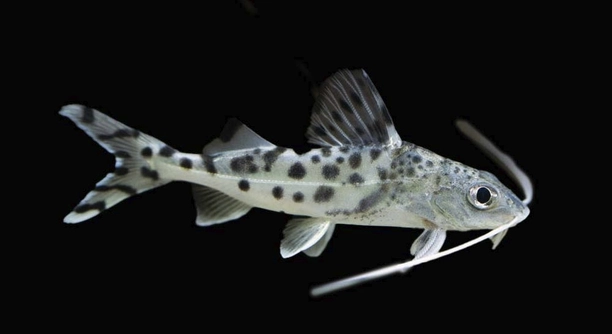
Pictus catfish are popular freshwater fish known for their active behavior and distinctive spotted patterns. They require specific care to stay healthy and calm in home aquariums. Understanding what stresses them is important for their well-being.
Several factors can instantly stress a pictus catfish, including poor water quality, sudden temperature changes, overcrowded tanks, aggressive tank mates, lack of hiding spots, improper diet, and excessive noise or vibrations. These conditions disrupt their natural behavior and health.
Knowing these stress triggers helps ensure your pictus catfish remains comfortable and healthy in its environment. This article will explain the main causes and how to avoid them.
Poor Water Quality
Poor water quality is one of the biggest problems for pictus catfish. These fish need clean water with balanced pH and low levels of ammonia, nitrites, and nitrates. If the water becomes dirty or toxic, it can cause stress quickly. Frequent water changes and a good filtration system help maintain a healthy environment. Temperature fluctuations or sudden chemical changes can also shock the fish, leading to stress or illness. Testing the water regularly ensures conditions stay stable. Pictus catfish are sensitive to pollutants like chlorine, so treated tap water is necessary. Monitoring and controlling water quality is essential to keep your fish calm and healthy. Avoid overfeeding, as leftover food can foul the water and increase toxins. In a well-maintained tank, pictus catfish show more active and natural behavior, which is a sign they feel safe. Keeping the water clean benefits both the fish and the aquarium ecosystem overall.
Maintaining water quality includes regular checks, partial water changes, and removing debris from the tank floor to prevent buildup.
Stress caused by poor water quality affects the fish’s immune system, making them more vulnerable to diseases. Keeping the water clean is the first step in preventing health problems and keeping your pictus catfish comfortable in its tank.
Overcrowded Tank
Overcrowding creates stress by limiting space and increasing competition for resources. Pictus catfish need enough room to swim freely and hide when they want to rest. Too many fish in one tank cause poor water quality and raise aggression levels. This situation leads to constant stress, which affects their growth and health. Overcrowding may also cause some fish to bully or chase others, which makes the pictus catfish nervous. Providing enough space for all fish and hiding places helps reduce stress. The general rule is one inch of fish per gallon of water, but pictus catfish prefer even more room to thrive. Giving them space to explore and rest prevents frustration and promotes natural behavior. Always plan your tank size carefully before adding new fish, and avoid crowding the environment. A calm and spacious tank supports the well-being of pictus catfish and all tank inhabitants.
Aggressive Tank Mates
Aggressive tank mates stress pictus catfish by constantly chasing or attacking them. These interactions cause fear and exhaustion, disrupting their natural behavior and making them hide more.
Keeping pictus catfish with peaceful, compatible species is important. Aggressive fish can injure or intimidate them, leading to poor health and stress. Pictus catfish prefer to be in a community with calm fish that do not compete for territory or food aggressively. Choosing suitable tank mates ensures a peaceful environment where all fish can coexist without fear. Avoiding overly territorial or aggressive species reduces conflicts and stress in the tank, helping your pictus catfish thrive.
A calm tank atmosphere supports healthy behavior and growth, so always research before adding new fish to prevent aggression issues.
Lack of Hiding Spots
Pictus catfish feel safer when they have places to hide. Without enough hiding spots, they become vulnerable and anxious, which increases stress levels. Hiding areas are essential for their comfort.
Providing caves, plants, and decorations creates a secure environment. These hiding spots mimic their natural habitat and give them refuge during stressful times. When pictus catfish have safe places to retreat, they exhibit more natural behaviors and are less likely to be startled. Lack of hiding spaces leaves them exposed, making them more reactive to tank disturbances like sudden movements or loud noises. Adding sufficient shelters improves their well-being and lowers stress significantly. It also encourages exploration while knowing they can always escape to safety when needed. Creating a balanced environment with hiding spots is key to keeping pictus catfish calm and content.
Improper Diet
An improper diet can quickly stress pictus catfish. Feeding the wrong foods or overfeeding affects their digestion and health.
Pictus catfish need a balanced diet with protein-rich foods like bloodworms, shrimp, and high-quality pellets. Avoid feeding too much or too little, as both can cause stress and illness.
Sudden Noise and Vibrations
Loud noises and vibrations can startle pictus catfish, causing them to panic and hide. Their sensitive barbels detect these disturbances easily. Keeping the tank in a quiet area with minimal vibrations helps reduce this stress. Sudden changes in the environment should be avoided to maintain calm conditions for the fish.
Temperature Fluctuations
Rapid changes in water temperature stress pictus catfish and can weaken their immune system. Keeping the tank temperature stable, ideally between 72°F and 79°F, is essential for their health and comfort.
Overfeeding
Overfeeding leads to poor water quality and can stress pictus catfish by creating an unhealthy environment. Feeding moderate amounts supports their well-being.
FAQ
What are the signs that my pictus catfish is stressed?
Stressed pictus catfish often hide more than usual, swim erratically, or lose their appetite. You may notice clamped fins or pale coloration. They might also become less active or spend excessive time near the surface or bottom. These behaviors indicate discomfort and should not be ignored.
How often should I test my aquarium water?
Testing your water weekly is ideal to keep track of ammonia, nitrite, nitrate levels, and pH. Frequent checks help detect problems early, preventing stress and health issues. Use a reliable test kit and keep a log to monitor changes over time.
Can pictus catfish live with other fish?
Yes, but choose peaceful species that won’t bully or compete aggressively. Avoid overly territorial or aggressive fish. Good companions include tetras, danios, and other calm community fish. Always research compatibility before adding new tank mates.
What foods are best for pictus catfish?
They need a protein-rich diet including live or frozen bloodworms, brine shrimp, and sinking pellets made for carnivorous fish. Occasionally offer vegetables like peas for fiber. Avoid overfeeding to prevent water quality issues.
How much space does a pictus catfish need?
Pictus catfish are active swimmers and need at least 30 gallons of water per adult fish. More space helps reduce stress and supports their natural behavior. Provide hiding spots and open swimming areas for comfort.
How do I reduce noise and vibrations around the tank?
Place the tank away from loud appliances, heavy foot traffic, and speakers. Use a sturdy stand to minimize vibrations. Soft tank covers and positioning the aquarium on a padded surface can also help reduce disturbances.
Why is temperature stability important?
Pictus catfish are sensitive to rapid temperature changes, which can weaken their immune system and cause stress. Keep the temperature between 72°F and 79°F using a reliable heater and thermometer to ensure a stable environment.
Can overfeeding cause stress?
Yes, overfeeding leads to excess waste, degrading water quality and increasing toxins. This environment stresses the fish and can cause disease. Feed small amounts once or twice daily, removing uneaten food promptly.
What should I do if my pictus catfish shows signs of stress?
Check water quality immediately and perform partial water changes if needed. Review tank mates and remove any aggressive fish. Ensure hiding places are available. Adjust feeding habits and maintain stable temperature to help the fish recover.
How often should I change the water?
Changing 20-30% of the water weekly helps maintain water quality and reduce toxins. Regular water changes prevent stress and support overall fish health. Use dechlorinated water at the same temperature as the tank.
Final Thoughts
Taking care of a pictus catfish means paying attention to several important factors that affect their comfort and health. These fish are sensitive to changes in their environment and can become stressed quickly if things are not right. Maintaining clean water, stable temperature, and a peaceful tank environment is key. Keeping an eye on water quality through regular testing and changes helps prevent many problems. When the water is clean and balanced, pictus catfish are more likely to be active and healthy.
Another important aspect of caring for pictus catfish is providing enough space and hiding spots. Overcrowded tanks or lack of places to hide cause anxiety and stress for these fish. They need room to swim freely and places where they can retreat if they feel threatened. Choosing compatible tank mates and avoiding aggressive fish also helps create a calm atmosphere. Quiet surroundings with minimal noise and vibrations reduce the chances of sudden stress. These small details make a big difference in how well pictus catfish adjust and thrive in a home aquarium.
Feeding your pictus catfish a balanced diet in the right amounts is also essential. Overfeeding can pollute the water and harm the fish, while underfeeding can weaken them. It is best to offer protein-rich foods and occasional vegetables, but always in moderation. Watching your fish closely and recognizing signs of stress early allows you to take action before problems worsen. A healthy pictus catfish is active, alert, and shows natural behavior. Keeping their environment stable and meeting their needs will help you enjoy watching these unique fish for a long time.

Hello,
If you enjoy the content that we create, please consider saying a "Thank You!" by leaving a tip.
Every little bit helps us continue crafting quality advice that supports the health, happiness, and well-being of pets around the world, for pets of all shapes, sizes, and species.
We really appreciate the kindness and support that you show us!