
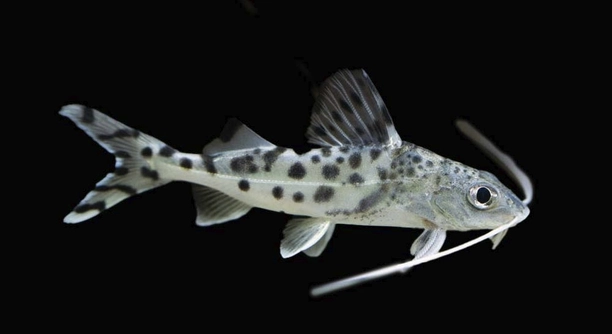
Are your Pictus catfish restless at night and keeping you up? Many fish owners notice unusual nighttime activity that seems out of the ordinary. Understanding why your Pictus acts this way can help improve its comfort and wellbeing.
Pictus catfish may become restless at night due to environmental stressors, improper tank conditions, or health issues. Factors such as poor water quality, incorrect lighting, or lack of hiding spaces can cause anxiety and disrupt their natural behavior.
Knowing the common causes of nighttime restlessness can help you create a better habitat for your fish. This guide will explain the main reasons behind your Pictus’s behavior and what you can do to help.
Lighting and Day-Night Cycle
Pictus catfish are nocturnal by nature, so their activity levels depend heavily on the lighting in their tank. Bright lights during nighttime can confuse them, causing restlessness. They prefer dim or no light when they are active. If the tank lighting is too harsh or stays on for too long, your fish may feel stressed and behave unusually. A regular day-night cycle with about 10-12 hours of light followed by darkness helps maintain their natural rhythm. Sudden changes in lighting or inconsistent schedules can also disrupt their behavior, making them more restless at night. Many fishkeepers find that using a timer for their aquarium lights ensures consistency, which calms the fish. Observing how your Pictus reacts to lighting changes can guide adjustments that improve their comfort.
Proper lighting that mimics their natural environment supports healthy rest and reduces night activity.
A stable light schedule helps your Pictus feel secure. Too much light during night hours keeps them alert instead of resting. Adjusting the lighting to create a calm, dark space during their active periods can reduce their restlessness. Consider using floating plants or dimmable lights to soften the environment without cutting off visibility. This setup encourages natural behavior and less stress. It also helps you observe your fish better during the day when they are less active. Keeping their surroundings consistent creates a peaceful tank environment, which benefits the fish’s health over time.
Water Quality and Tank Conditions
Poor water quality often causes stress, which can make Pictus catfish restless. Ammonia, nitrite, and nitrate levels should be checked regularly to ensure they are safe. Frequent water changes help keep these chemicals low. Temperature fluctuations or unsuitable pH levels also disrupt their comfort. A well-maintained tank with clean, stable water encourages calm behavior. Overcrowding and lack of hiding places can add to stress, so it’s important to provide enough space and shelter. Gravel and decorations create hiding spots that allow your Pictus to feel secure. Stress from the tank environment may not show immediately but can lead to long-term health issues. Watching your fish’s activity alongside water tests gives a clearer picture of their wellbeing. Proper maintenance prevents many problems before they start.
Maintaining clean water and a stable environment is key to calming your Pictus at night.
Water quality directly affects fish health and behavior. Poor conditions lead to discomfort and restlessness. Use a reliable water test kit to monitor levels weekly. Temperature should stay between 74-79°F (23-26°C), and pH between 6.5 and 7.5. Avoid overcrowding and provide natural or artificial hiding places, such as caves or plants. These reduce stress and offer a sense of security. Regular water changes, about 25% weekly, remove waste and toxins that cause irritation. Keeping a routine tank cleaning schedule supports a healthy habitat. A calm environment encourages natural activity patterns and helps your Pictus rest better at night.
Stress from Tank Mates
Aggressive or overly active tank mates can disturb your Pictus. They may feel threatened or stressed, leading to restless behavior at night. Compatibility is important to maintain peace in the aquarium.
Pictus catfish prefer calm companions. Fish that nip fins or chase can cause anxiety. Even some active species disturb their rest by constant movement or noise. It’s best to choose peaceful fish that share similar activity patterns. Providing enough space reduces territorial disputes and overcrowding stress. Observing interactions helps identify issues early. If stress is evident, consider rearranging the tank or changing tank mates to protect your Pictus’s wellbeing.
Stress affects health over time. A peaceful environment with compatible fish encourages natural behavior and better sleep. Avoid aggressive species and keep groups balanced for harmony. Your Pictus will be more relaxed and less restless at night with thoughtful tank management.
Feeding Schedule and Diet
Inconsistent feeding times or poor diet can disrupt your Pictus’s activity. Feeding too late or too much may cause them to be more active at night.
Maintaining a regular feeding schedule helps regulate your fish’s metabolism and energy. Pictus catfish benefit from small, frequent meals rather than one large feeding. A diet rich in protein, such as bloodworms or sinking pellets, supports their nocturnal lifestyle. Avoid overfeeding to prevent leftover food from polluting the tank and causing stress. Monitor how much your Pictus eats and adjust portions as needed.
Uneaten food can lower water quality, increasing restlessness and discomfort. Providing a balanced diet and consistent feeding routine helps keep your fish calm. Scheduling feeding times early in the evening allows your Pictus to digest before their active period, reducing nighttime activity spikes.
Tank Size and Space
A small tank limits your Pictus’s movement, causing restlessness at night. They need enough room to swim freely and explore.
Providing a spacious tank reduces stress and supports natural behavior. Crowded tanks increase tension and activity as fish compete for space.
Noise and Vibrations
Loud noises or vibrations near the tank can disturb your Pictus. They are sensitive to sudden sounds and movement around their environment.
Minimizing external noise and keeping the tank on a stable surface helps create a peaceful setting, reducing nighttime restlessness.
Health Issues
Illness or parasites can cause your Pictus discomfort, making them more restless at night. Watch for signs like loss of appetite or unusual swimming.
Water Flow
Strong water currents may tire your Pictus and disrupt their rest. Moderate flow helps them feel secure and less agitated.
FAQ
Why is my Pictus swimming rapidly at night?
Rapid swimming at night often means your Pictus is stressed or feels unsafe. It could be due to bright lights, sudden noises, or aggressive tank mates. Sometimes, poor water quality or illness also causes this behavior. Make sure the tank environment is calm, clean, and suited to their needs.
How can I reduce my Pictus’s restlessness during nighttime?
Create a stable day-night cycle by using a timer for your tank lights. Provide plenty of hiding spots like plants and caves to make them feel secure. Keep water parameters steady and avoid disturbing the tank at night. Feeding earlier in the evening also helps regulate their activity.
Is it normal for Pictus catfish to be active at night?
Yes, Pictus catfish are naturally nocturnal. They tend to be more active during low light or darkness, searching for food and exploring. However, excessive restlessness or frantic swimming signals stress or discomfort that needs attention.
Can diet affect my Pictus’s nighttime behavior?
Absolutely. Overfeeding or feeding late can increase activity at night because your fish have excess energy. A balanced diet with high-quality protein, given on a regular schedule, helps maintain normal activity patterns. Remove any uneaten food to prevent water pollution.
Could tank size make my Pictus restless?
Yes. Small tanks limit their swimming space, which can cause stress and restlessness. Pictus catfish need room to swim actively and hide when needed. A tank of at least 30 gallons is recommended to support their natural behavior.
How important are tank mates for a peaceful Pictus?
Very important. Aggressive or overly active fish stress Pictus catfish, causing restlessness. Peaceful, compatible species that won’t chase or nip fins help keep your Pictus calm. Avoid overcrowding to reduce territorial disputes.
Can water flow influence my Pictus’s activity?
Yes. Strong currents can tire and stress your fish, leading to unusual nighttime behavior. Moderate water flow mimics their natural environment and helps them feel secure. Adjust filter output or add decorations to reduce strong currents if needed.
What signs show my Pictus might be sick?
Look for changes like loss of appetite, clamped fins, pale colors, erratic swimming, or hiding excessively. Illness often causes restlessness as fish feel uncomfortable. Regular water testing and observation can catch problems early.
Does noise affect Pictus catfish behavior?
Yes. They are sensitive to loud noises and vibrations outside the tank. Frequent disturbances can make them anxious and restless. Place the tank in a quiet area and avoid tapping the glass or loud household noises near the aquarium.
How often should I test my tank water to keep my Pictus calm?
Test water weekly for ammonia, nitrite, nitrate, pH, and temperature. Keeping these stable prevents stress that leads to restlessness. Consistent maintenance, including regular water changes, is key to a healthy and peaceful environment for your Pictus.
Final Thoughts
Taking care of a Pictus catfish requires paying attention to many details, especially if you notice your fish is restless at night. Their behavior is often a sign of how comfortable and safe they feel in their tank. Factors like lighting, water quality, tank size, and tank mates all play important roles in their wellbeing. When any of these are not right, your Pictus may become more active or anxious during times when it should be calm. By addressing these elements, you can help your fish settle down and behave more naturally.
Keeping the tank environment stable is one of the best ways to support your Pictus. This means maintaining a proper day-night cycle with appropriate lighting, ensuring water parameters are within the recommended range, and providing enough space and hiding places. A well-maintained tank reduces stress and encourages healthy behavior. It also makes your fish easier to observe and care for. Regular feeding with a balanced diet at consistent times helps control their energy and activity levels, which can lower nighttime restlessness. Small changes like adjusting the flow of water or choosing peaceful tank mates can make a big difference.
Ultimately, patience and observation are key when caring for a Pictus catfish. Every fish is unique, and sometimes it takes time to find the best setup that works for yours. Watching their behavior and reacting to signs of stress or discomfort early can prevent more serious problems. Creating a calm, stable, and supportive home for your Pictus will not only improve their comfort but also strengthen your bond with them. Taking these steps shows care and respect for your fish’s natural needs, leading to a healthier and happier pet.

Hello,
If you enjoy the content that we create, please consider saying a "Thank You!" by leaving a tip.
Every little bit helps us continue crafting quality advice that supports the health, happiness, and well-being of pets around the world, for pets of all shapes, sizes, and species.
We really appreciate the kindness and support that you show us!