
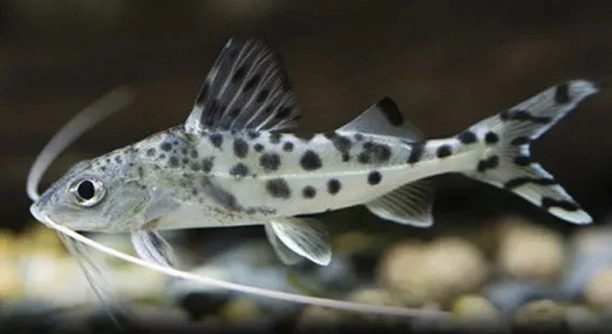
Are your fish tank decorations minimal and sparse? Many aquarium owners aim for simplicity but may not realize when their tank setup lacks enough elements. A bare tank can affect both the health and happiness of your aquatic pets.
A tank setup is considered too bare when it lacks sufficient hiding spots, plants, and decorations needed to create a stimulating and secure environment. Insufficient cover and complexity can cause stress to fish and reduce natural behaviors important for their well-being.
Knowing the signs of a bare tank helps improve your aquarium’s balance and creates a better space for your fish to thrive.
Lack of Hiding Spots
Fish need places to hide to feel safe and reduce stress. Without enough hiding spots, they may become anxious or aggressive. Simple decorations like caves, rocks, or dense plants give fish a sense of security. In a bare tank, fish are exposed and vulnerable, which can affect their health over time. Providing hiding spots mimics their natural environment, helping them relax and display natural behaviors. It’s important to balance open swimming space with enough cover. Too few hiding areas can lead to constant stress and reduce the fish’s overall quality of life. Adding even a few decorations can make a noticeable difference in their comfort and well-being.
Hiding spots also encourage shy or nocturnal species to be more active. These spaces allow fish to rest and feel protected during vulnerable times.
Building a well-structured tank with adequate hiding places promotes healthier fish and a more peaceful tank environment. It creates a better balance between safety and activity for all your aquatic pets.
Sparse Plant Life
A tank with little to no plants looks empty and lacks natural filtration benefits. Plants help remove harmful toxins and improve water quality. Without them, the tank’s ecosystem becomes unstable. Live plants also provide oxygen and shelter, which many fish rely on daily. Sparse plants mean fewer places for fish to explore and feel secure, making the tank feel cold and lifeless. Adding a variety of plants creates a more natural, inviting space. It also reduces algae growth by competing for nutrients. Even if you prefer a low-maintenance tank, adding a few hardy plants makes a big impact on your aquarium’s health and aesthetics.
Plants serve as natural hiding spots and improve tank conditions. They create a balanced environment where fish can thrive and look their best.
Insufficient Substrate Variety
Using only plain gravel or sand can make a tank look dull and unnatural. Different types of substrate serve various purposes beyond decoration. Some fish like to dig or burrow, needing soft or fine substrate, while others prefer rocky bottoms for shelter. Mixing substrates adds texture and interest, which helps create zones for different fish behaviors. A uniform substrate can limit these natural activities and reduce overall tank appeal. Including some variation encourages natural instincts and enhances the tank’s look. It also supports beneficial bacteria growth, crucial for a healthy aquarium. Even a subtle change in substrate can improve both the function and style of your tank.
Choosing the right substrate is more than just an aesthetic choice; it affects your fish’s comfort and tank balance. It’s worth considering the needs of your specific species when selecting substrate types.
Empty Open Space
Too much empty space in a tank can make fish feel exposed and stressed. Fish need a balance between open swimming areas and places to hide or explore. Without this balance, they may become restless or anxious.
Open spaces are important for active swimming, but when a tank is mostly empty, it can cause discomfort. Fish naturally seek shelter and variety, so a tank filled with only water and a bare bottom does not meet their needs. Large open areas without decorations or plants can make fish feel vulnerable, especially species that are shy or territorial. A well-decorated tank offers both safety and freedom, which improves fish behavior and reduces stress.
Adding some decorations or plants breaks up the space, making the tank more interesting and secure. This helps fish feel more confident and encourages natural movement. Striking the right balance is key to a healthy and happy aquarium environment.
Poor Lighting
Lighting that is too bright or too dim affects how fish behave and feel in their tank. Harsh lighting can cause stress, while weak lighting makes plants and fish look dull. Proper lighting supports fish health and tank growth.
Fish respond differently to light, and incorrect lighting can disrupt their natural rhythms. Bright light without hiding places leaves fish feeling exposed and uneasy. Conversely, low light may prevent plants from thriving and reduce fish activity. Lighting should mimic the fish’s natural environment and support their daily cycle. Adjustable or softer lighting often works best, especially in planted tanks. Balancing light intensity helps reduce algae growth and keeps fish comfortable.
Using a timer ensures consistent light periods, helping fish settle into a routine. Good lighting also enhances the tank’s colors, making it more attractive to watch. Properly managed lighting benefits both the fish and the overall tank health.
Lack of Color Variety
A tank with too much plain or similar-colored decor looks dull. Color variety helps make the environment more lively and appealing to both fish and the keeper. Different colors can also highlight your fish’s natural beauty better.
Adding varied colors through plants, rocks, or ornaments creates visual interest. It encourages more interaction with the tank and can stimulate your fish by mimicking their natural habitats.
Overcrowding
Overcrowding a tank limits swimming space and increases waste, which harms water quality. Fish need enough room to move freely and maintain good health.
Unbalanced Tank Layout
A tank layout lacking balance between decorations, plants, and open areas feels unnatural. Balanced layouts improve fish comfort and enhance viewing enjoyment. Thoughtful placement supports both activity and hiding needs.
Minimal Water Movement
Too little water movement can reduce oxygen levels and lead to poor water quality. Proper flow helps keep the tank healthy and supports fish respiration.
FAQ
How do I know if my tank is too bare?
A tank is too bare if it lacks enough decorations, plants, or hiding places for fish to feel safe and stimulated. Fish may show signs of stress like hiding constantly, aggression, or unusual swimming patterns. If the tank looks mostly empty or plain, it’s likely too bare.
What are the risks of keeping a bare tank?
Bare tanks can cause fish stress, which weakens their immune systems and increases the chance of illness. Without hiding spots, fish feel vulnerable. Lack of plants reduces water quality since plants help filter toxins. Bare tanks also limit natural behaviors, making fish less active and less healthy overall.
Can I use artificial plants and decorations?
Yes, artificial plants and decorations are a good option if you want low maintenance. They provide hiding places and visual interest. Just make sure they are aquarium safe, smooth, and won’t release harmful chemicals into the water. Some fish also prefer live plants, so a mix can work well.
How many decorations should I add?
There’s no exact number, but aim for enough to create hiding spots and break up open space while leaving room for swimming. A good rule is about 30-50% of the tank floor covered with substrate, plants, and decorations combined. Avoid overcrowding, which can cause stress and water problems.
What kind of plants work best in a beginner tank?
Easy-care plants like Java fern, Anubias, and Amazon sword are great for beginners. They tolerate a wide range of conditions and don’t require much light or CO2. These plants help improve water quality and provide shelter for fish without demanding too much maintenance.
How does substrate affect my tank?
Substrate affects both the tank’s look and fish behavior. Some fish like to dig or burrow, needing soft sand, while others prefer gravel or rocks. Substrate also supports beneficial bacteria that break down waste. Using the right substrate helps keep the tank balanced and comfortable for your fish.
Is lighting important in a bare tank?
Yes, lighting influences both fish and plants. Too bright lighting without hiding places stresses fish. Insufficient light affects plant growth and tank appearance. Choose lighting that matches your fish’s natural environment and the needs of any live plants to keep the tank healthy and attractive.
How often should I add new decorations or plants?
You don’t need to add decorations frequently. Start with a balanced setup, then observe your fish’s behavior. If they seem stressed or bored, gradually add more hiding spots or plants. Avoid sudden large changes to prevent stressing the fish. Slow, careful adjustments work best.
Can bare tanks cause algae problems?
Sometimes, yes. Bare tanks often have less plant competition for nutrients, which can allow algae to grow more easily. Adding live plants and decorations can help control algae by using up excess nutrients and reducing light exposure on open surfaces.
What if my fish don’t use the decorations?
Some fish take time to adjust before using hiding spots or plants. If they don’t use decorations, try rearranging them or adding different types. Make sure decorations provide real shelter or cover. Observing fish behavior will help you understand their preferences and improve the tank setup.
Are there fish species that do better in bare tanks?
Certain hardy fish like goldfish or some cichlids tolerate minimal decorations better than others. However, most fish still benefit from hiding places and plants for comfort and natural behavior. Even species that seem fine in bare tanks often thrive more with a well-decorated environment.
How can I create a natural feel without overcrowding?
Use a mix of plants, rocks, and driftwood placed thoughtfully to create zones of cover and open swimming areas. Group plants and decorations in clusters instead of spreading them evenly. Leave enough space for swimming and movement. This balance helps fish feel secure and keeps the tank visually pleasing.
A well-balanced tank setup plays a big role in the health and happiness of your fish. When a tank is too bare, it can cause stress and limit natural behaviors that keep fish active and comfortable. Adding hiding spots, plants, and varied decorations helps create an environment that feels safe and stimulating. Even small changes can make a noticeable difference in how your fish behave and interact with their space. Taking time to observe your fish will help you understand what they need most, whether it’s more cover, better lighting, or a mix of different substrates.
It’s important to remember that each tank and its inhabitants are unique. What works well for one aquarium may not be ideal for another. When setting up or improving your tank, aim for balance rather than overcrowding. Providing enough open space for swimming alongside plenty of hiding places creates a healthy environment that meets the needs of different fish species. Adding live plants, even easy-care types, benefits water quality and adds color and life to the tank. Lighting also plays a role in supporting plant growth and making fish feel comfortable.
Finally, maintaining a good tank setup is an ongoing process. As your fish grow or as you add new species, your tank needs may change. Keep an eye on how your fish respond to their environment and adjust decorations and plants accordingly. Avoid rushing to fill the tank with too many items at once. Instead, introduce changes gradually to reduce stress for your fish. A thoughtfully arranged and well-maintained tank not only looks better but also supports the long-term health and happiness of your aquatic pets.

Hello,
If you enjoy the content that we create, please consider saying a "Thank You!" by leaving a tip.
Every little bit helps us continue crafting quality advice that supports the health, happiness, and well-being of pets around the world, for pets of all shapes, sizes, and species.
We really appreciate the kindness and support that you show us!