
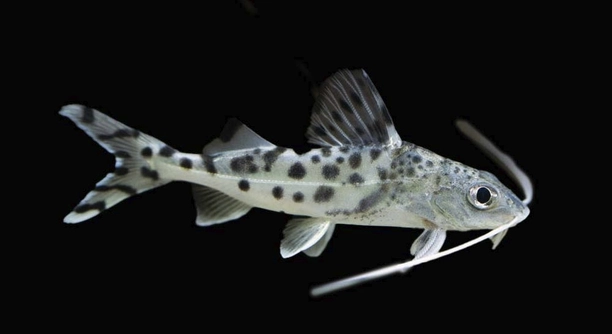
Redness around pictus catfish fins is a common concern for many aquarium owners. This issue can indicate several health or environmental problems affecting the fish. Understanding the causes helps keep your catfish healthy and comfortable.
Redness around pictus catfish fins often results from infections, poor water quality, physical injury, or stress. Each cause affects the fish’s immune response and fin tissue, leading to inflammation and discoloration. Prompt identification and treatment are essential to prevent further harm.
Knowing what triggers redness can improve your care routine and help your pictus catfish thrive in a healthy environment.
Poor Water Quality
Poor water quality is one of the most common reasons for redness around pictus catfish fins. When the water is dirty or contains high levels of toxins like ammonia or nitrites, it irritates the fish’s skin and fins. This irritation causes redness and inflammation, making the fins look unhealthy. Many fish owners don’t realize how quickly water conditions can worsen without regular cleaning and testing. Consistent water changes and monitoring are essential to keep the tank safe. In addition, overcrowding can worsen water quality, stressing the fish and weakening their immune system. Keeping a clean, well-filtered tank with stable water parameters helps prevent redness and other health issues. This simple step is one of the best ways to protect your pictus catfish and maintain its vibrant appearance.
Poor water conditions can cause redness within days if left untreated.
Testing water regularly and performing routine maintenance ensures a safe, healthy environment for your catfish to thrive.
Fin Injury
Fin injuries can cause redness due to tears, cuts, or abrasions. These injuries might happen when the fish rubs against sharp objects, tank decorations, or during aggressive interactions with other fish. Even minor injuries can become inflamed and look red if bacteria enter the damaged tissue. Injured fins take time to heal, especially if the water quality is poor or the fish is stressed. Removing sharp or rough decorations and ensuring peaceful tank mates reduces the risk of injury. If you notice redness accompanied by torn fins, gently cleaning the tank and possibly using antibacterial treatments can help prevent infections. Observing your fish’s behavior and environment carefully allows you to catch and address injuries early before they worsen. This care protects your catfish’s fins and overall health.
Bacterial Infection
Bacterial infections commonly cause redness around pictus catfish fins. These infections occur when harmful bacteria enter through damaged skin or fins.
The bacteria multiply quickly, causing inflammation and redness. This condition often results from poor water quality or stress, which weaken the fish’s immune system. If left untreated, bacterial infections can worsen, leading to fin rot or more serious health problems. Early treatment with appropriate antibacterial medication is important to stop the infection from spreading. Maintaining clean water and reducing stress can prevent infections from developing in the first place.
Signs of bacterial infection include redness, swelling, and sometimes white or cloudy patches near the affected area. It’s important to isolate infected fish to protect others in the tank. Regular monitoring helps catch infections early and improves the chances of a full recovery.
Stress
Stress is a major factor contributing to redness around pictus catfish fins. Fish exposed to stress produce less mucus, which normally protects their skin and fins.
Stress can be caused by sudden changes in water temperature, poor water quality, aggressive tank mates, or overcrowding. When stressed, the fish’s immune system weakens, making them more vulnerable to infections and inflammation. Redness may appear as a visible sign of this weakened state. Reducing stress through stable tank conditions, proper hiding places, and peaceful companions helps your pictus catfish maintain healthy fins. Understanding and addressing stress triggers is key to preventing redness and keeping your fish comfortable.
Fungal Infection
Fungal infections can cause redness and irritation around the fins of pictus catfish. These infections usually appear after an injury or if the fish is already weakened.
Fungi thrive in poor water conditions. Keeping the tank clean and using antifungal treatments helps stop the infection from spreading and supports healing.
Parasites
Parasites are another cause of redness on pictus catfish fins. They attach to the fish’s body and irritate the skin, causing inflammation.
Parasites weaken the fish’s health and can spread quickly in an aquarium. Treating the tank with parasite-specific medication and maintaining good water quality are important to control and prevent infestations.
Nutritional Deficiency
A lack of essential nutrients can make pictus catfish more prone to redness and fin problems. A balanced diet supports their immune system and fin health.
Feeding a varied diet with quality flakes, pellets, and occasional live or frozen food helps keep your catfish strong and reduces redness caused by poor nutrition.
What causes redness around pictus catfish fins?
Redness around pictus catfish fins usually comes from infections, injuries, poor water quality, or stress. Bacteria and fungi can infect damaged fins, causing inflammation. Also, rough tank conditions or aggressive tank mates can cause physical harm. Stress lowers their immune defense, making redness more likely.
How can I tell if the redness is serious?
If the redness spreads, worsens, or is combined with torn fins, swelling, or behavior changes like lethargy, it needs attention. Persistent redness often signals infection or injury. Quick treatment is essential to prevent fin rot or more severe health issues.
What should I do if I notice redness?
First, test the water for ammonia, nitrites, and nitrates. Clean the tank if water quality is poor. Remove sharp objects that might injure fins and observe for signs of aggression. Consider isolating the fish if redness seems caused by infection or injury. Medication might be needed for bacterial or fungal infections.
Can stress alone cause redness?
Yes, stress weakens the fish’s immune system, making them more prone to redness and infections. Stress comes from overcrowding, poor water quality, sudden temperature changes, or aggressive tank mates. Reducing stress improves healing and helps prevent redness.
Is poor diet a factor in fin redness?
A poor diet can make pictus catfish less resistant to infections, leading to redness and fin damage. Feeding a balanced diet with quality flakes, pellets, and occasional live or frozen food supports their health and fin condition.
How often should I change water to prevent redness?
Regular water changes are vital. Weekly partial changes of 20-30% help keep ammonia and nitrite levels low. Consistent cleaning reduces bacteria and fungi growth, lowering redness risk.
Can redness go away on its own?
Mild redness caused by minor irritation may improve with good water quality and reduced stress. However, infections or injuries usually need treatment. Ignoring redness can lead to worse problems like fin rot.
What treatments are effective for bacterial infections?
Antibacterial medications designed for aquarium use are best. Follow dosing instructions carefully. Improving water quality and isolating infected fish speeds recovery. Avoid antibiotics unless a bacterial infection is confirmed.
Are fungal infections common in pictus catfish?
Fungal infections happen, especially if fins are injured or water is dirty. Antifungal treatments combined with tank maintenance help clear infections quickly.
Can tank decorations cause redness?
Yes, sharp or rough decorations can tear fins, causing redness and inflammation. Smooth or rounded items reduce injury risks. Rearranging decorations can prevent repeated damage.
Should I separate a red-finned pictus catfish from others?
Isolation helps prevent infection spread and reduces stress. Keep the fish in a hospital tank if infection or injury is severe. Return it to the main tank only after healing.
Does temperature affect redness around fins?
Sudden temperature changes or consistently poor temperature control can stress fish, causing redness. Keeping stable, suitable temperatures (around 72-79°F) helps prevent fin irritation.
How long does it take for fins to heal?
Healing time depends on severity. Minor redness may clear in a week with good care. More serious infections or injuries can take several weeks, especially if treatment is delayed.
Can overcrowding cause redness?
Yes, overcrowding raises stress and increases injury risk from fighting. It also lowers water quality. Keeping an appropriate number of fish in the tank reduces redness risk and promotes better health.
What signs mean the redness is improving?
Fading color, less swelling, and no spreading are good signs. The fish will swim normally and show regular eating behavior. If redness worsens or new symptoms appear, adjust care or seek further treatment.
Redness around the fins of pictus catfish is a sign that something in their environment or health needs attention. It can be caused by many factors like poor water quality, infections, injuries, or stress. Each of these problems affects the fish differently, but redness often means irritation or inflammation. Taking care of these issues early helps prevent more serious damage and keeps your fish healthier. Simple actions like keeping the tank clean, watching water conditions, and feeding a balanced diet go a long way in preventing redness and supporting your catfish’s well-being.
It’s important to pay close attention to your pictus catfish and notice any changes in its fins or behavior. Redness combined with torn or ragged fins usually points to infections or injury. Stress is also a big factor because it weakens the fish’s immune system, making it harder for them to heal or fight off infections. When you see redness, test your water first and improve any poor conditions. Removing any sharp decorations or aggressive tank mates can reduce the chance of injury. Sometimes, using medication is necessary to treat bacterial or fungal infections, but good tank maintenance is always the foundation of good fish health.
Overall, staying consistent with tank care and being observant about your fish’s health will help you manage and prevent redness around their fins. Every pictus catfish is different, so what works best may vary slightly. Patience and attention are key because healing takes time, especially if infections are involved. With proper care, most cases of redness can improve, allowing your catfish to stay vibrant and active. Keeping your aquatic environment stable and stress-free will ensure your pictus catfish lives a comfortable and healthy life.

Hello,
If you enjoy the content that we create, please consider saying a "Thank You!" by leaving a tip.
Every little bit helps us continue crafting quality advice that supports the health, happiness, and well-being of pets around the world, for pets of all shapes, sizes, and species.
We really appreciate the kindness and support that you show us!