
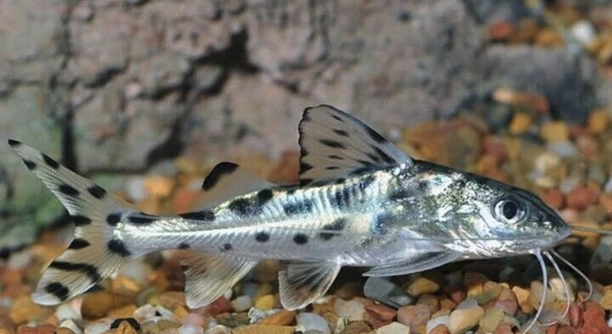
Pictus catfish are popular freshwater fish known for their active behavior and striking appearance. Many aquarium enthusiasts enjoy watching their quick movements and the way they interact with their environment. These fish bring energy and life to any tank.
Pictus catfish possess unique traits such as their slender, silver bodies with dark spots, long barbels used for sensing, and remarkable speed. They are nocturnal scavengers, capable of thriving in various water conditions, which contributes to their adaptability and popularity in aquariums.
These characteristics make pictus catfish stand out among other species and worth learning about for any fish lover. Understanding their traits helps create a better environment for them.
Distinctive Physical Features
Pictus catfish have a slender, streamlined body covered in shiny silver scales with scattered black spots. Their long, thin barbels extend from the mouth, acting like sensory tools to explore their surroundings, especially in low light. These barbels are very sensitive, helping the fish find food and avoid obstacles. Their large, expressive eyes are adapted for nighttime activity, reflecting light and enhancing their vision in dim environments. The fins are sharp and slightly translucent, allowing swift movements through the water. This combination of features makes them easy to recognize and adds to their charm. Their small size, usually about four to five inches, makes them suitable for home aquariums. Despite their delicate look, these fish are quite hardy and can adapt well to different tank setups. Their distinct appearance is not just attractive but also functional, giving them an edge in both feeding and navigating.
The long barbels and spotted body pattern are the most notable physical traits that make pictus catfish unique.
Understanding their physical features helps with tank setup and proper care, ensuring they thrive in captivity.
Nocturnal Behavior and Activity
Pictus catfish are primarily nocturnal, becoming most active during the night or in dimly lit environments. During the day, they tend to hide under decorations, rocks, or plants to avoid bright light and potential threats. This natural behavior means they can sometimes be overlooked in a busy aquarium during daylight hours. At night, they swim rapidly, exploring the tank in search of food, using their sensitive barbels to detect edible particles. Their quick movements and ability to dart around corners make them fascinating to watch after the lights are turned off. This behavior is a survival strategy, helping them avoid predators and efficiently scavenge for leftovers on the tank floor. When setting up a tank for pictus catfish, it is important to provide hiding places and maintain low light conditions for part of the day. This supports their natural rhythms and keeps them comfortable, reducing stress.
Adapting to their nocturnal habits and providing suitable tank conditions encourages natural activity and promotes healthy behavior.
Social Behavior and Tank Compatibility
Pictus catfish are social fish that prefer to live in groups of at least three or more. They display peaceful behavior toward other fish but can become territorial with their own kind if kept in too small a group.
In a well-maintained aquarium, pictus catfish get along well with other peaceful species. Their active swimming and bottom-feeding habits mean they rarely compete aggressively for food. However, they do need enough space to avoid stress, as overcrowding can lead to territorial disputes. It’s best to pair them with fish that share similar water requirements and temperaments. Avoid aggressive or much larger fish, which could bully or harm the pictus catfish. Providing hiding spots and open swimming areas helps balance their active nature with the need for security.
Keeping a group of pictus catfish encourages natural schooling behavior and reduces stress. This social dynamic also creates more lively tank activity, making them more interesting to watch over time.
Feeding Habits and Diet
Pictus catfish are omnivores that mainly scavenge for food along the bottom of the tank. They prefer sinking pellets, frozen foods, and live treats like bloodworms or brine shrimp. A balanced diet keeps them healthy and active.
These fish have sensitive barbels that help locate food in low light. Feeding them in the evening mimics their natural nocturnal feeding habits and ensures they get enough nutrition. They are not picky eaters but do best with a varied diet to meet their nutritional needs. Overfeeding can lead to water quality issues, so portion control is important. Their bottom-feeding nature helps clean leftover food, but uneaten food should be removed promptly.
Feeding pictus catfish properly supports their health and activity levels. Regular feeding schedules and diet variety improve their longevity and well-being.
Lifespan and Growth
Pictus catfish typically live around 8 to 10 years with proper care. They grow quickly in the first year, reaching about four to five inches in length.
Their growth rate slows down after the first year, and they generally remain small, making them ideal for home aquariums.
Water Conditions and Tank Setup
These catfish prefer clean, well-oxygenated water with temperatures between 72 and 79 degrees Fahrenheit. The pH should be slightly acidic to neutral, around 6.5 to 7.5. Providing hiding spots like caves, driftwood, and plants is essential to mimic their natural habitat. Regular water changes keep the environment stable and healthy. A soft substrate protects their sensitive barbels from damage while they search for food. Proper filtration is important to maintain water quality since pictus catfish are sensitive to poor conditions. This setup helps reduce stress and supports their active lifestyle.
Unique Adaptations
Their barbels serve as tactile sensors, helping them navigate dark or murky water. This adaptation is essential for finding food and avoiding obstacles.
FAQ
How big do pictus catfish get?
Pictus catfish generally grow to about four to five inches in length. Their growth is fastest during the first year and slows down after that. This size makes them suitable for medium to large home aquariums, as they need enough space to swim actively.
What kind of tank do pictus catfish need?
A tank of at least 30 gallons is recommended for a small group of pictus catfish. They need clean, well-oxygenated water with stable temperatures between 72 and 79 degrees Fahrenheit. Adding hiding spots like caves, plants, and driftwood helps them feel secure. A soft substrate protects their sensitive barbels from damage.
Are pictus catfish peaceful?
Yes, pictus catfish are peaceful toward other species but can show territorial behavior toward their own kind if kept in small groups. It is best to keep them in groups of three or more to encourage natural social behavior and reduce stress.
What do pictus catfish eat?
Pictus catfish are omnivores and scavengers. They eat sinking pellets, frozen or live foods such as bloodworms and brine shrimp. Feeding them in the evening suits their nocturnal nature. A varied diet is important to keep them healthy and active.
How often should I feed pictus catfish?
Feeding once or twice a day is sufficient. Avoid overfeeding, as leftover food can pollute the water and harm the fish. Their bottom-feeding habit helps clean uneaten food, but it’s important to remove excess regularly to maintain water quality.
Can pictus catfish live with other fish?
They get along well with peaceful fish of similar size and water needs. Avoid housing them with very aggressive or much larger fish, which might bully or injure them. Providing enough space and hiding spots helps maintain a peaceful tank environment.
Do pictus catfish need special lighting?
They prefer dim lighting or shaded areas in the tank since they are nocturnal and active mostly at night. Bright lights can stress them, so it’s good to have some places where they can hide from direct light during the day.
How long do pictus catfish live?
With proper care, pictus catfish live around 8 to 10 years. Stable water conditions, a balanced diet, and a stress-free environment all contribute to their longevity.
Why do pictus catfish hide during the day?
This behavior is natural because they are nocturnal. During daylight hours, they seek shelter to avoid bright light and potential predators. Hiding spots in the tank give them security and help reduce stress.
What is the function of their barbels?
The barbels are sensory organs that help pictus catfish detect food and navigate in dark or murky water. They are very sensitive and allow the fish to explore their environment efficiently, especially since they feed mostly at night.
How often should water changes be done for pictus catfish?
Regular water changes, about 20-25% weekly, are important. Pictus catfish are sensitive to water quality, so keeping the tank clean prevents stress and illness. Proper filtration also supports good water conditions.
Can pictus catfish jump out of the tank?
Yes, they are active and can jump if startled or if the tank lacks a secure lid. It’s important to cover the aquarium to prevent them from jumping out and getting injured or lost.
Are pictus catfish suitable for beginners?
They can be kept by beginners who are willing to maintain good water quality and provide proper tank conditions. Their peaceful nature and interesting behavior make them rewarding fish to care for, though attention to feeding and tank setup is needed.
What common health issues affect pictus catfish?
Poor water quality is the main cause of health problems like infections and fin rot. Ensuring clean water, proper diet, and a stress-free environment helps prevent illness. Physical damage to barbels can occur if the substrate is too rough or the tank is overcrowded.
Do pictus catfish breed easily in home aquariums?
Breeding pictus catfish in home tanks is rare and difficult. They need specific water conditions and plenty of space to spawn. Most fish keepers buy juveniles from breeders rather than breeding them at home.
What makes pictus catfish different from other catfish?
Their spotted pattern, long barbels, and active nocturnal behavior set them apart. Their quick movements and social nature also make them distinct compared to more sedentary catfish species.
Pictus catfish are an interesting and lively addition to freshwater aquariums. Their unique physical traits, like the spotted silver body and long sensitive barbels, help them stand out among other fish. These features are not just for show—they assist the fish in finding food and navigating their environment, especially in low light. Their nocturnal habits mean they are most active during the evening and night, which adds variety to tank activity for anyone watching. Knowing their natural behaviors and physical needs is important when setting up a tank so they can thrive comfortably.
Caring for pictus catfish involves paying attention to their social nature and tank requirements. They do best in groups of three or more and prefer peaceful tank mates that won’t cause stress or competition. Providing hiding places like caves, plants, and driftwood is essential because these fish tend to hide during the day and become more active when the lights are low. Water quality and tank cleanliness are also important, as pictus catfish are sensitive to poor conditions. Regular water changes, proper filtration, and maintaining stable water temperature and pH levels all contribute to their health and longevity.
Feeding pictus catfish the right diet is another key part of their care. They are omnivores and benefit from a variety of foods, including sinking pellets, frozen or live treats like bloodworms, and occasional vegetables. Feeding in the evening suits their natural feeding times and encourages natural behavior. Overfeeding should be avoided to keep the water clean and healthy. By understanding these factors—physical traits, social needs, tank environment, and diet—anyone can provide a comfortable home for pictus catfish. With proper care, they can live for many years and bring active, engaging energy to a freshwater aquarium.

Hello,
If you enjoy the content that we create, please consider saying a "Thank You!" by leaving a tip.
Every little bit helps us continue crafting quality advice that supports the health, happiness, and well-being of pets around the world, for pets of all shapes, sizes, and species.
We really appreciate the kindness and support that you show us!