
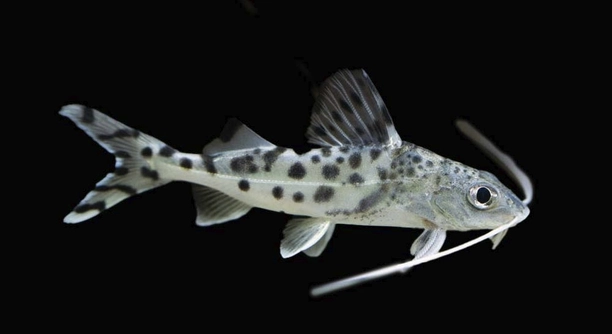
Pictus catfish are popular freshwater fish known for their active behavior and striking appearance. Many aquarists wonder how well they adapt to different tank sizes, especially smaller ones, even if only for a short time. Understanding their tolerance can help keep these fish healthy and comfortable.
Pictus catfish can survive short-term periods in small tanks, but this is not ideal for their health. Limited space restricts swimming and water quality can degrade quickly, which increases stress and the risk of illness. Proper conditions are crucial for their well-being.
Knowing how to manage tank size and environment can prevent potential harm to your pictus catfish. This article will explore the factors affecting their survival and how to care for them in small setups.
Why Tank Size Matters for Pictus Catfish
Pictus catfish are active swimmers that need plenty of space to move around comfortably. In small tanks, their movement is restricted, which can lead to stress and aggression. These fish also produce waste quickly, and a smaller volume of water means toxins build up faster. Without proper filtration and regular water changes, ammonia and nitrite levels can reach harmful levels. Over time, this poor water quality weakens their immune system, making them more vulnerable to diseases. Additionally, small tanks often have less stable temperatures, which can upset the delicate balance these fish need. Although pictus catfish might tolerate a cramped environment for a short time, this is far from ideal for their overall health and longevity. Providing them with a tank that suits their size and activity level is the best way to keep them thriving and happy.
Small tanks limit swimming space and water quality, increasing stress and health risks for pictus catfish.
Keeping your pictus catfish in a suitable tank size helps maintain stable water conditions and reduces stress. Investing in a properly sized aquarium with efficient filtration can prevent many common problems associated with small tanks. Even short-term confinement in a cramped space should be managed carefully by monitoring water parameters and offering hiding spots to reduce stress. Ensuring the tank environment mimics their natural habitat as closely as possible will support their well-being and prevent behavioral issues. Ultimately, a larger tank allows your fish to display their natural behaviors and remain healthy.
Short-Term Survival Strategies in Small Tanks
When pictus catfish must stay in small tanks briefly, maintaining water quality is essential. Frequent water changes help keep toxins low, and adding an air stone can improve oxygen levels. Providing plenty of hiding places reduces stress and gives the fish a sense of security. Monitoring temperature is also important, as fluctuations can quickly affect their health. During this time, avoid overcrowding the tank with other fish, as this adds to waste and competition. Feeding smaller amounts more frequently prevents leftover food from polluting the water. Although this setup is temporary, careful attention to these factors can help pictus catfish survive short-term confinement without serious harm.
Regular water changes, hiding spots, and proper feeding help pictus catfish endure short stays in small tanks.
While small tanks are not ideal, following these steps can support your pictus catfish during short-term housing. Make sure to test water parameters often and keep the environment as stable as possible. Reducing light intensity and providing gentle filtration can minimize stress. Always plan to move the fish to a larger tank as soon as possible to promote long-term health. If you notice signs of distress or illness, take action quickly by improving water quality and adjusting tank conditions. These strategies do not replace the need for proper housing but help bridge the gap when a small tank is the only option for a short period.
Common Signs of Stress in Pictus Catfish
Pictus catfish show clear signs when they are stressed. These include hiding excessively, loss of appetite, and erratic swimming. Faded coloration and rapid breathing are also common indicators that the fish is uncomfortable or unwell.
Stress weakens the immune system and makes pictus catfish more prone to illness. If they spend time in a small tank, watch for lethargy or unusual behavior such as scratching against objects. Stress can also cause them to avoid food or display aggression towards tank mates. Early detection of these signs allows for quick action to improve conditions and reduce harm.
If stress signs appear, immediate changes to the environment are necessary. Increasing water quality, adding hiding spots, and ensuring stable temperature can help the fish recover. Avoid sudden changes, as this can worsen stress. A calm and clean environment is key to helping your pictus catfish bounce back.
Feeding and Care Tips in Small Tanks
Feeding pictus catfish in a small tank requires care to avoid water pollution. Offer small portions that they can eat quickly and remove any leftover food. Uneaten food decomposes and harms water quality. Feeding twice a day in small amounts works best.
Keep the tank clean by doing regular partial water changes. Replace about 25-30% of the water twice a week to keep toxins low. Use a gentle filter to avoid strong currents that stress the fish. Maintain stable temperature and avoid overcrowding with other fish.
Adding live plants or hiding places creates a more natural environment. This helps reduce stress and gives the fish places to explore and rest. Monitor water parameters often to catch problems early. Taking these steps supports your pictus catfish’s health even in smaller spaces.
Ideal Tank Setup for Short-Term Housing
A small tank should have enough filtration to keep water clean. Gentle water flow is best to avoid stressing pictus catfish. Provide hiding spots using plants or decorations to help the fish feel secure.
Maintain a stable temperature between 74-79°F. Use a heater if necessary to prevent fluctuations. Regular monitoring of water quality is essential to catch problems early.
Moving Pictus Catfish to a Larger Tank
When upgrading to a bigger tank, acclimate the fish slowly. Gradually adjust water temperature and chemistry to avoid shock. This reduces stress and helps the fish settle in their new environment.
Avoiding Common Mistakes in Small Tanks
Overfeeding and overcrowding are frequent issues. Both lead to poor water quality and stress. Keep the tank lightly stocked and feed only what the fish can consume quickly to maintain a healthy environment.
FAQ
Can pictus catfish live long-term in small tanks?
Pictus catfish are not suited for long-term living in small tanks. They need ample space to swim and maintain good water quality. Small tanks can cause stress, poor health, and a shorter lifespan. It’s best to provide a tank of at least 30 gallons for their long-term care.
How often should water be changed in a small tank housing pictus catfish?
In small tanks, water quality can decline quickly. Changing 25-30% of the water twice a week helps keep ammonia and nitrites low. Frequent partial changes reduce toxins and keep the environment stable, which is crucial for the fish’s health.
What tank size is ideal for pictus catfish?
The recommended minimum tank size for pictus catfish is 30 gallons. This size provides enough space for swimming and reduces the buildup of harmful chemicals. Larger tanks also help maintain stable water parameters, which lowers stress on the fish.
Can pictus catfish live with other fish in small tanks?
It’s risky to keep pictus catfish with many tank mates in small tanks. Overcrowding increases waste and competition for space. If you keep other fish, choose peaceful species and limit numbers to reduce stress and maintain water quality.
What should I feed pictus catfish in small tanks?
Feed small amounts of sinking pellets or live/frozen foods like bloodworms or brine shrimp. Avoid overfeeding, as leftover food pollutes the water. Feed twice daily in amounts the fish can consume quickly to keep water clean.
How can I reduce stress for pictus catfish in a small tank?
Provide hiding spots with plants or decorations to help them feel secure. Keep water temperature stable between 74-79°F and maintain gentle filtration. Avoid loud noises or sudden changes to prevent additional stress.
Are pictus catfish hardy enough for beginners with small tanks?
Pictus catfish can be challenging for beginners if kept in small tanks because they need good water quality and space. Proper care requires regular maintenance and monitoring. Beginners should consider larger tanks or more tolerant species.
What signs indicate my pictus catfish is unhealthy due to tank size?
Look for faded colors, sluggish behavior, hiding excessively, rapid breathing, or loss of appetite. These are common stress or illness signs caused by cramped conditions or poor water quality. Prompt action is needed to improve their environment.
Is it okay to keep pictus catfish in a temporary quarantine small tank?
Yes, but only for a short time. Quarantine tanks should have excellent water quality, hiding places, and stable conditions. Avoid overcrowding and monitor the fish closely. Move the fish to a properly sized tank as soon as possible.
How to acclimate pictus catfish when moving them from a small to a larger tank?
Float the bag in the new tank for 15-20 minutes to match temperatures. Slowly add small amounts of tank water to the bag every 5 minutes for about 30 minutes. This gradual process prevents shock and helps the fish adjust comfortably.
What are common water parameters for pictus catfish?
Ideal water conditions are pH 6.5 to 7.5, temperature between 74-79°F, and soft to moderate hardness. Keeping these parameters stable helps the fish stay healthy, especially in smaller tanks where changes happen quickly.
Can strong currents harm pictus catfish in small tanks?
Yes. Strong currents can stress pictus catfish, especially in small tanks where they have limited space to escape. Use a gentle filter or adjust flow to keep water movement calm but well-oxygenated.
How important is lighting in small tanks for pictus catfish?
Lighting should be moderate. Too much light can stress the fish, while too little can affect plants and water quality. Providing shaded areas or plants helps mimic their natural environment and reduces stress.
What should I do if my pictus catfish shows stress symptoms in a small tank?
Improve water quality immediately by doing a partial water change. Add hiding places and check temperature stability. Reduce feeding to prevent waste buildup. If symptoms continue, consider moving the fish to a larger tank.
Can I use live plants in a small tank with pictus catfish?
Yes, live plants help improve water quality and provide hiding spots. They create a more natural environment that reduces stress. Choose hardy plants that can tolerate the conditions and limited space of small tanks.
Are pictus catfish nocturnal or active during the day?
Pictus catfish are mostly nocturnal but can be active during the day, especially in well-lit tanks. They often swim actively in the evening and night, so providing hiding places helps them feel safe during daylight hours.
Pictus catfish are lively fish that need enough space and good water conditions to stay healthy. While they can survive short periods in small tanks, it is not the best choice for their well-being. Small tanks limit their swimming room and cause water quality to deteriorate quickly, which can lead to stress and illness. It’s important to understand that these fish thrive better in larger environments where they can move freely and the water remains stable.
When using a small tank temporarily, special care is necessary. Frequent water changes and proper filtration are key to maintaining safe water conditions. Providing hiding spots and keeping the temperature steady help reduce stress. Feeding small amounts regularly prevents leftover food from polluting the tank. Although these steps can support your pictus catfish during short stays in small spaces, the goal should always be to move them to a larger tank as soon as possible.
In the end, proper tank size and care are essential for keeping pictus catfish healthy and happy. Avoid long-term confinement in small tanks and pay close attention to water quality and tank setup. Monitoring your fish for signs of stress or illness allows you to make timely changes. By providing a suitable environment and attentive care, you can enjoy the natural beauty and lively behavior of pictus catfish for many years.

Hello,
If you enjoy the content that we create, please consider saying a "Thank You!" by leaving a tip.
Every little bit helps us continue crafting quality advice that supports the health, happiness, and well-being of pets around the world, for pets of all shapes, sizes, and species.
We really appreciate the kindness and support that you show us!