
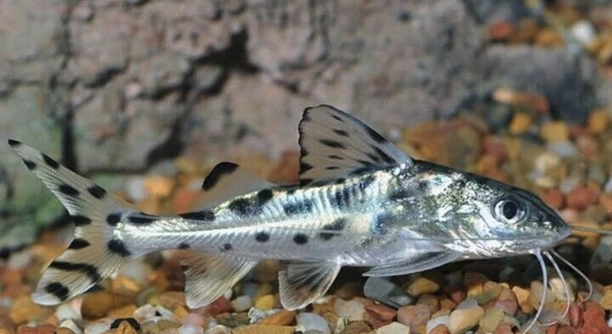
Is your Pictus catfish avoiding the middle of the tank and sticking mostly to the edges? This behavior can be puzzling, especially when you expect your fish to explore its environment freely. Understanding why this happens can help improve its well-being.
Pictus catfish may avoid the tank center due to stress, poor water conditions, or lack of hiding spots. They tend to stay near the edges where they feel safer and more secure, which is a natural response to perceived threats or discomfort.
Knowing these reasons can help you create a better environment for your catfish. The following sections explain what you can do to encourage more natural and comfortable behavior.
Common Reasons Pictus Catfish Avoid the Middle of the Tank
Pictus catfish often stay near the edges because they instinctively seek safety. The open middle of the tank can feel exposed and vulnerable, so they prefer to stay close to hiding spots or tank walls. Stress from sudden changes, such as new tankmates, loud noises, or bright lighting, can also cause them to avoid the center. Water quality plays a big role too; poor conditions like high ammonia or nitrite levels make the fish uncomfortable, encouraging them to stay in areas where they feel more secure. Additionally, lack of proper decorations like plants or caves leaves them with nowhere to hide, pushing them toward the edges. Ensuring your tank mimics their natural environment with hiding places and calm conditions can help them feel more comfortable exploring all areas.
Water quality and tank setup are often the most critical factors for this behavior.
Adjusting tank conditions and adding shelters usually helps Pictus catfish feel safe enough to explore the tank’s center. Monitoring water parameters regularly and avoiding overcrowding keeps stress low, promoting healthier behavior and a happier fish.
How to Encourage Your Pictus Catfish to Explore More
Start by providing plenty of hiding spots and decorations near the center of the tank. Use plants, driftwood, or caves that make the fish feel secure but still allow open swimming space. Keep the lighting dim or use floating plants to reduce brightness. Make sure the water is clean, well-filtered, and kept at a stable temperature around 75-80°F. Avoid sudden movements or loud noises near the tank, as these can increase stress. Regularly test water for ammonia, nitrites, and nitrates, and do partial water changes when necessary. Over time, your Pictus catfish will feel more confident and may begin swimming through the middle as they become comfortable. Patience is key; gradual improvements in the environment can make a noticeable difference in their behavior and overall well-being.
Tank Environment and Its Impact on Behavior
Tank environment greatly influences where your Pictus catfish chooses to swim. Open spaces without hiding spots make them feel exposed and vulnerable, pushing them toward edges. A crowded or bare tank can increase stress, leading to more cautious behavior.
Adding plants, caves, or driftwood near the tank’s center provides safe areas for your fish. These structures create a sense of security, encouraging your catfish to explore beyond the edges. Soft lighting and a quiet environment reduce stress levels, making the fish feel more at ease. Regular cleaning and maintaining stable water conditions also contribute to a healthy and inviting tank.
By carefully arranging decorations and controlling light and noise, you create an environment that supports your Pictus catfish’s natural behavior. This setup not only reduces their stress but also encourages them to use the entire tank space, including the middle.
Feeding Habits and Their Effect on Tank Positioning
Feeding routines impact where your Pictus catfish spends most of its time. Fish tend to stay where food is regularly offered, often near the tank edges or bottom. Uneven feeding locations may cause the fish to avoid the center if it’s far from feeding spots.
Consistent feeding in different areas of the tank can encourage more movement. Try scattering food or placing it closer to the middle to motivate exploration. Feeding at regular times also reduces anxiety, as your catfish knows when to expect meals, which helps them feel more secure moving freely.
Proper feeding habits, combined with environmental adjustments, help your Pictus catfish balance comfort and activity. This encourages a more natural swimming pattern, with less edge-only behavior and more engagement with the entire tank.
Tank Size and Its Role in Catfish Behavior
A tank that is too small limits your Pictus catfish’s movement and comfort. Crowded conditions increase stress and push them to stay near the edges.
Larger tanks provide more space to swim freely and reduce territorial disputes, helping your catfish explore more confidently.
Lighting Conditions and Fish Comfort
Bright lighting can cause stress for Pictus catfish, making them hide near the tank edges or decorations. Dim or adjustable lighting helps create a calm atmosphere, encouraging the fish to swim openly. Using floating plants or shaded areas can soften the light and make the environment more natural and comfortable.
Social Interaction and Tank Mates
The presence of other fish affects where your Pictus catfish spends its time. Aggressive or territorial tank mates may cause your catfish to stay hidden at the edges to avoid conflict. Peaceful companions can encourage more natural behavior, including swimming through the tank’s center.
Water Temperature and Behavior
Stable water temperature within the ideal range (75-80°F) keeps your Pictus catfish active and comfortable. Fluctuations or extremes can stress them, making them avoid exposed areas like the tank middle.
FAQ
Why does my Pictus catfish hide most of the time?
Pictus catfish are naturally shy and nocturnal. They often hide during the day to feel safe. If they spend too much time hiding, it could also mean they are stressed due to poor water quality, bright lighting, or aggressive tankmates. Providing hiding spots and maintaining good tank conditions helps them feel secure.
Is it normal for Pictus catfish to avoid the middle of the tank?
Yes, it is common. The middle of the tank is often the most exposed area. Pictus catfish prefer to stay near the edges where they can quickly find shelter if needed. This behavior decreases when they feel safe and comfortable in their environment.
How can I make my Pictus catfish more confident to swim in the middle?
Add decorations like plants, caves, or driftwood in the tank’s center to create safe zones. Keep the lighting dim and maintain stable water conditions. Feeding the fish near the center can also encourage exploration. Patience is important, as changes take time to affect behavior.
What water parameters are best for Pictus catfish?
Ideal water temperature ranges between 75-80°F (24-27°C). They prefer a pH level between 6.5 and 7.5 and soft to moderately hard water. Regular testing and partial water changes keep ammonia, nitrite, and nitrate levels low, which reduces stress and promotes healthy activity.
Can tankmates influence my Pictus catfish’s behavior?
Yes, aggressive or territorial fish can stress your Pictus catfish, causing it to hide or avoid open spaces. Choose peaceful, compatible species to reduce stress. A calm community tank helps your catfish explore more freely and reduces edge-only swimming.
Why does my Pictus catfish swim mostly at the bottom or edges?
Pictus catfish are bottom dwellers by nature, so it is normal for them to stay near the tank floor. Edges provide shelter and a sense of security. If the tank lacks hiding spots, they will remain close to the edges more often.
How often should I feed my Pictus catfish?
Feed small amounts once or twice daily. Overfeeding can lead to poor water quality and stress the fish. Offering sinking pellets or live/frozen foods suits their bottom-dwelling habits and encourages natural foraging behavior.
What signs show my Pictus catfish is stressed?
Signs include hiding excessively, loss of appetite, clamped fins, rapid breathing, or unusual swimming patterns. Stress often relates to poor water quality, inadequate hiding spots, or incompatible tankmates. Addressing these issues helps improve their comfort.
Can lighting affect where my Pictus catfish swims?
Yes, bright lighting can make them feel exposed and stressed, causing them to avoid open areas. Soft or dim lighting and shaded spots reduce stress and encourage more open swimming, including in the tank’s middle.
Is it okay if my Pictus catfish never swims in the middle?
While it is common for them to avoid the middle, it’s important to ensure their behavior isn’t due to stress or poor conditions. If they appear healthy and active, it’s usually fine. However, providing a well-decorated tank with good water quality can encourage more balanced swimming habits.
How can I test if my tank environment is suitable for Pictus catfish?
Regularly check water temperature, pH, ammonia, nitrite, and nitrate levels with test kits. Monitor fish behavior and appearance for signs of stress. Ensure decorations and hiding spots are adequate. Keeping the environment stable supports your catfish’s well-being and activity.
What should I do if my Pictus catfish refuses to leave the edges?
First, test water quality and improve tank conditions if needed. Add hiding places toward the tank center and reduce bright lighting. Change feeding habits by scattering food near the middle. If the fish still avoids the center, observe for illness or aggression from tankmates and adjust accordingly.
Are Pictus catfish schooling fish, and does this affect their swimming?
Pictus catfish are social and prefer groups of three or more. Schooling reduces stress and encourages natural swimming behavior, including venturing into open spaces. Keeping a small group helps them feel secure and more active throughout the tank.
Can sudden changes in the tank cause my Pictus catfish to avoid the middle?
Yes, sudden changes like new tankmates, rearranged decorations, or water parameter shifts can stress your fish. This often results in hiding or sticking to the edges. Gradual adjustments and stable conditions help the fish adapt and regain confidence.
How important is tank maintenance for Pictus catfish comfort?
Very important. Regular water changes, filter cleaning, and monitoring keep water quality high. Poor maintenance leads to toxic buildup, stressing the fish and limiting their movement. Consistent care promotes healthy behavior and encourages your catfish to explore the whole tank.
When your Pictus catfish avoids the middle of the tank, it is usually a sign that the fish feels safer near the edges. This is natural behavior because the middle can feel too open and exposed. Fish like the Pictus catfish look for places where they can quickly hide if needed. Stress, poor water quality, or lack of hiding spots often make them stick to the edges even more. Paying attention to these factors helps you create a better environment where your fish feels comfortable to explore.
Improving the tank setup can make a big difference. Adding plants, caves, or driftwood near the middle of the tank gives your catfish places to hide and feel secure. Keeping the water clean and stable also reduces stress, encouraging more natural swimming behavior. Lighting should be soft or dim to avoid making your fish feel exposed. Regular feeding routines and peaceful tankmates support the fish’s confidence. With patience and proper care, your Pictus catfish can learn to use more of the tank, including the middle area.
Remember that every fish is unique, and behavior changes can take time. Avoid sudden changes in the tank, and watch for signs of stress or illness. Maintaining good water quality and a calm environment are the best ways to support your catfish’s health and happiness. By understanding the reasons behind their tank preferences, you can make simple adjustments that improve their comfort. This will help your Pictus catfish feel safe, active, and more engaged in their home.

Hello,
If you enjoy the content that we create, please consider saying a "Thank You!" by leaving a tip.
Every little bit helps us continue crafting quality advice that supports the health, happiness, and well-being of pets around the world, for pets of all shapes, sizes, and species.
We really appreciate the kindness and support that you show us!