
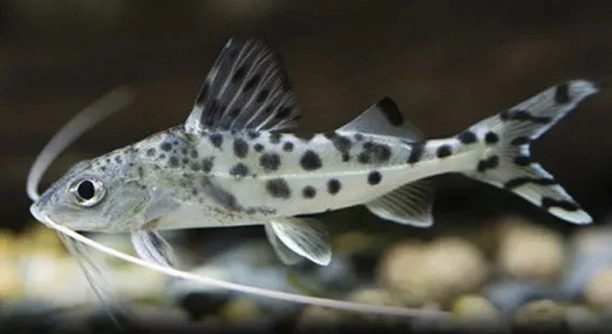
Are your Pictus catfish acting more aggressive after feeding? This behavior can surprise many fish owners who expect calm and peaceful tank mates. Understanding what causes this change can help maintain a healthy aquarium environment.
Pictus catfish often become aggressive after feeding due to increased energy levels and competition for food. Their natural instincts trigger defensive and territorial behaviors to secure resources, which can temporarily heighten aggression in the tank.
Learning about these feeding-related behaviors can improve your fish-keeping experience. Knowing what to expect helps you create a calmer habitat for your Pictus catfish and other aquatic friends.
Why Pictus Catfish Show Aggression After Feeding
Pictus catfish are naturally active and social fish, but their behavior can change when they eat. After feeding, these fish often become more energetic because they are digesting food and their metabolism speeds up. This increased activity can look like aggression, especially when multiple catfish are feeding at the same time. They may swim faster, chase each other, or compete for food. This behavior is linked to their survival instincts, where securing enough food is important. In a tank environment, limited space and resources can cause them to act more territorial. Understanding this natural response helps explain why they act this way right after meals. It is important to provide enough food for all the fish to reduce aggressive encounters. Over time, you will notice that their behavior calms down once digestion is complete and energy levels return to normal. Watching this cycle can help you better care for your Pictus catfish.
Feeding routines influence the level of aggression in your tank. Regular schedules can reduce stress and competition.
Providing a consistent feeding routine helps keep Pictus catfish calm. When they know when and how much to expect, they are less likely to fight over food. Feeding smaller amounts multiple times a day can reduce rushes and aggression. Additionally, offering sinking pellets or food designed for bottom feeders encourages peaceful eating. It also helps to scatter food across the tank to minimize competition in one spot. With patience and care, your fish will adjust to a feeding rhythm that supports harmony.
How Tank Conditions Affect Aggression
Tank size and setup play a big role in fish behavior. A small or crowded tank can increase tension among Pictus catfish, especially during feeding time. When space is tight, fish have less room to avoid each other, which raises stress and aggressive actions. Proper hiding spots like plants and caves help fish feel secure, reducing territorial fights. Water quality also impacts mood; poor conditions make fish more irritable. Regular cleaning and water changes are essential for keeping fish healthy and calm. Ensuring enough swimming space and places to retreat helps prevent unnecessary conflicts after feeding.
Tank layout and water quality strongly influence your fish’s behavior during feeding.
A well-maintained tank with plenty of space and hiding spots lowers aggression in Pictus catfish. Clean water and balanced conditions create a more peaceful environment, reducing their need to compete aggressively.
Feeding Habits and Aggression
Pictus catfish are bottom feeders and prefer to eat at the tank’s bottom. They often race to reach the food first, which can lead to aggressive behavior after feeding.
When feeding time comes, these catfish become very competitive. Their natural instinct pushes them to secure as much food as possible before others get it. If food is limited or clumped together, they may chase or nip at tank mates to claim their share. This behavior is more about survival than real aggression, but it can be stressful to watch. Distributing food evenly and feeding appropriate amounts can reduce this competitive rush. Watching how they feed helps you understand their needs and manage their behavior better.
Some Pictus catfish can be more dominant, taking most of the food and causing others to become more aggressive in response. Ensuring all fish get enough food at once can minimize fights and keep peace in the tank.
Stress and Its Role in Aggressive Behavior
Stress plays a big role in how your Pictus catfish act after feeding. Crowded tanks, sudden changes, or poor water conditions can increase stress levels, making them more aggressive.
When fish are stressed, their tolerance for other tank mates lowers. This causes even small disturbances during feeding to trigger aggressive behavior. Stress affects their immune system and overall health, so it’s important to keep their environment calm and stable. Keeping the tank clean, maintaining the right water temperature, and avoiding overstocking helps reduce stress. Calm fish are less likely to show aggression, and they will feed more peacefully. Reducing stress benefits not only your Pictus catfish but also other species sharing the tank.
Feeding Frequency Matters
Feeding your Pictus catfish too rarely or too much can affect their behavior. Irregular feeding schedules may cause hunger-driven aggression.
Regular, smaller feedings throughout the day help keep their energy stable and reduce competition. Consistency in timing and quantity promotes calmer behavior during meals and prevents overfeeding, which can also cause health issues.
Food Type and Aggression
The type of food you offer can influence how aggressive your Pictus catfish act. Foods that sink quickly and are easy to eat reduce competition.
Choosing high-quality sinking pellets or wafers designed for bottom feeders ensures the food reaches them first. Avoid floating flakes that attract surface feeders and may cause frustration. Proper food helps maintain peace during feeding times.
Monitoring Fish Behavior
Keep an eye on how your catfish interact after feeding. Changes in aggression levels may signal other issues.
Aggression that suddenly worsens can indicate stress, illness, or poor water quality. Early detection helps prevent problems from escalating and keeps your tank balanced.
Tank Size Considerations
A larger tank offers more space and reduces aggressive encounters after feeding. Crowded tanks can increase tension and competition.
FAQ
Why does my Pictus catfish act aggressive only after feeding?
Pictus catfish often show aggression after feeding because their energy spikes, and their natural instincts kick in to protect and secure food. This behavior is common in many fish species, where competition increases during meal times. The fish may chase or nip at others to claim their share. Once digestion begins, their activity and aggression usually calm down.
Can aggression after feeding harm other fish in the tank?
Yes, aggressive behavior can cause stress or minor injuries to other fish, especially if the tank is small or crowded. Pictus catfish are generally peaceful, but competition over food can lead to chasing or nipping. Keeping enough space, hiding spots, and feeding enough food helps reduce these risks.
How can I reduce aggression during feeding time?
Feed smaller amounts more frequently instead of one large meal. Use sinking pellets to reach bottom feeders like Pictus catfish quickly. Spread food around the tank to avoid crowding. Also, maintaining a consistent feeding schedule helps fish feel secure and less competitive.
Is it normal for some Pictus catfish to be more dominant than others?
Yes, dominance happens in many fish groups. Some catfish might rush to food faster or chase others away. This natural hierarchy ensures stronger fish get enough food but can cause stress if smaller fish don’t get enough. Monitoring feeding and tank conditions can help balance this.
Could poor water quality increase aggression?
Absolutely. Dirty water or improper water parameters cause stress, which lowers fish tolerance for others. Stressed fish are more likely to act aggressively. Regular water changes and keeping the tank clean are essential for peaceful behavior.
Does tank size affect post-feeding aggression?
Tank size has a big impact. Smaller or overcrowded tanks give fish less space to avoid each other, increasing stress and competition. Larger tanks allow fish to spread out, lowering aggression levels. Providing enough hiding places also helps fish feel secure.
Should I separate aggressive Pictus catfish?
Separating should be a last resort. Often, aggression can be managed by adjusting feeding habits, tank size, or decor. If one fish is severely bullying others and causing injury, temporary separation might be needed to protect the weaker fish.
What type of food is best to reduce aggression?
High-quality sinking pellets or wafers designed for bottom feeders work best. These foods reach Pictus catfish quickly, reducing competition. Avoid floating flakes that attract surface feeders and may cause frustration in bottom dwellers.
How often should I feed my Pictus catfish to minimize aggression?
Feeding two to three small meals a day is better than one large meal. Frequent feedings keep energy levels stable and reduce the rush to get food all at once. This routine helps maintain calm behavior.
Can aggressive behavior after feeding be a sign of illness?
Sometimes, yes. Sudden changes in behavior can indicate stress or illness. If aggression spikes without clear cause, check water quality, diet, and look for signs of disease. Addressing health problems early prevents worsening aggression.
Is it normal for aggression to decrease as fish grow?
Yes, young or newly introduced fish may show more aggression as they establish territory. Over time, fish usually settle into a peaceful routine. Providing enough space and food supports this adjustment.
How can I tell if aggression is serious or just normal feeding behavior?
Normal feeding aggression is short-lived and stops once fish finish eating. Serious aggression involves constant chasing, injuries, or stress signs like hiding or loss of appetite. If aggression lasts beyond feeding times, it may require intervention.
Does tank decoration affect aggression levels?
Yes, decorations like plants, rocks, and caves create hiding spots and break sight lines. This helps reduce territorial fights by giving fish places to retreat. A well-decorated tank promotes peace by lowering stress and competition.
Can mixing Pictus catfish with other species affect their aggression?
Tank mates matter. Aggressive or territorial species can increase tension. Choose peaceful companions with similar size and temperament. Avoid overcrowding to reduce stress and fights after feeding.
Is it helpful to observe feeding behavior regularly?
Absolutely. Watching how your fish behave during feeding can reveal problems early. Noticing who gets food first, signs of stress, or unusual aggression allows timely adjustments in feeding or tank care to keep harmony.
Final Thoughts
Pictus catfish showing aggression after feeding is a common behavior rooted in their natural instincts. When they eat, their energy levels rise, and they compete for food, which can lead to chasing or nipping. This behavior is usually temporary and not a sign of permanent aggression. Understanding this helps reduce worry and allows you to manage their environment better. It’s important to remember that aggression after feeding does not mean your fish are unhappy or unhealthy. Instead, it reflects their effort to get enough food in a group setting. With proper care and feeding practices, this behavior can be kept under control.
Managing aggression starts with creating the right conditions in the tank. Feeding your Pictus catfish smaller amounts multiple times a day instead of one big meal helps reduce competition. Using sinking food that reaches the bottom quickly allows your catfish to eat without fighting with surface feeders. Providing enough space and hiding places lowers stress and prevents territorial disputes. Clean water and regular tank maintenance are also key to keeping your fish calm. When you watch your fish carefully, you can notice when they are stressed or hungry and make changes before problems grow.
In the end, a peaceful tank depends on meeting the needs of your Pictus catfish and their tank mates. Paying attention to their feeding habits, tank size, and water quality makes a big difference. Fish can be sensitive to changes, so keeping a steady routine helps keep aggression low. While some chasing after feeding is natural, you can reduce it enough that your tank stays calm and healthy. With patience and care, your Pictus catfish will thrive, and feeding times will be less stressful for everyone involved.

Hello,
If you enjoy the content that we create, please consider saying a "Thank You!" by leaving a tip.
Every little bit helps us continue crafting quality advice that supports the health, happiness, and well-being of pets around the world, for pets of all shapes, sizes, and species.
We really appreciate the kindness and support that you show us!