
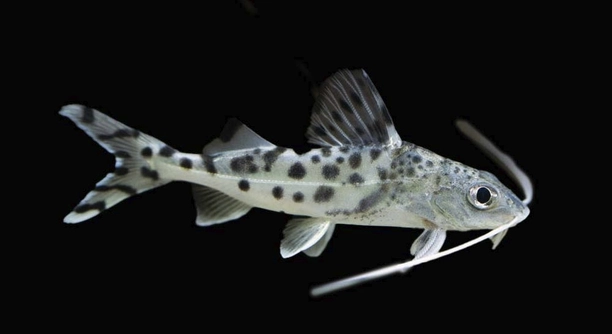
Many fish owners enjoy watching their Pictus catfish swim and interact in the tank. These lively fish are known for their playful nature and unique behaviors. Feeding time often sparks particular interest because of how these fish respond.
Pictus catfish can sense feeding time through a combination of environmental cues and routine recognition. Their behavior changes when they detect signals such as light, movement, or sound related to feeding. This ability helps them anticipate food even without direct feeding stimuli.
Learning about these habits can help improve how you care for your Pictus catfish. Understanding their feeding responses adds to the enjoyment of keeping these interesting pets.
How Pictus Catfish Recognize Feeding Time
Pictus catfish develop a routine by associating certain signals with feeding. They quickly learn to notice changes like when the lights turn on or the sound of food hitting the water. These signs help them prepare for mealtime. Their eyes and sensitive barbels detect movement and vibrations around the tank, which adds to their awareness. Over time, they recognize patterns in daily feeding schedules and adjust their behavior accordingly. This conditioning means they often swim to the surface or near the feeding area before food arrives. Their sharp senses and memory help them stay alert and ready to eat when it’s time. This is why feeding at the same time every day helps build trust and keeps the fish active and healthy.
The more consistent the feeding routine, the easier it becomes for Pictus catfish to anticipate their meals. They respond better when environmental cues remain the same.
Understanding these responses allows you to create a comfortable and stress-free feeding environment for your catfish. You can improve their well-being by keeping a predictable schedule and using gentle signals that they learn to associate with food.
Feeding Habits and Behavior
Pictus catfish are naturally nocturnal feeders but adapt to daytime feeding in captivity.
In the wild, they search for food mostly at night. In home tanks, they learn to adjust their eating habits to match their owner’s schedule. Their feeding behavior is influenced by hunger levels, tank size, and competition for food. They prefer sinking pellets or live foods like bloodworms. Observing their activity before and during feeding can help you understand their needs. Keeping feeding times consistent encourages healthier eating patterns and reduces stress in your fish.
Feeding Time Signals
Pictus catfish react strongly to specific signals during feeding time. These include sounds, light changes, and movements near the tank. Recognizing these cues helps them prepare for food.
The sound of food hitting the water is one of the most noticeable signals for Pictus catfish. They associate this noise with feeding and often swim actively toward the surface or feeding spot. Sudden movements near the tank, like your hand approaching, also catch their attention. Light changes, such as turning on the tank light, can alert them as well. These fish are quick learners and adjust their behavior to match these signals over time. Consistent use of these cues helps reinforce their feeding routine and keeps them alert and ready.
Using these signals regularly can create a calm feeding environment. Pictus catfish will become more confident, reducing stress and improving overall health. This helps them stay active and responsive throughout the day.
Improving Feeding Response
Keeping a regular feeding schedule helps Pictus catfish expect their meals. They respond better when times and signals are consistent.
Feeding your Pictus catfish at the same time each day strengthens their internal clock. This routine makes them more active and eager when food is near. Avoid sudden changes in feeding times or methods, as this can confuse them. Using gentle tapping or soft sounds before feeding can act as a cue, improving their response. Watching their behavior and adjusting feeding habits can also help if they seem less interested. A steady routine not only encourages healthier eating but also builds trust between you and your fish, making feeding time a calm and enjoyable moment for both.
Signs Pictus Catfish Show When Hungry
Pictus catfish become more active and swim near the surface when they sense feeding time. They may also wiggle their barbels as a sign of anticipation.
These fish sometimes follow your movements around the tank, especially if feeding time is near. They watch carefully and seem to recognize your presence.
How Environment Affects Feeding Behavior
Tank conditions like lighting, temperature, and noise levels influence how Pictus catfish respond to feeding signals. A calm, stable environment helps them feel safe and ready to eat. Sudden changes can make them shy or less active during feeding. Maintaining consistent water parameters keeps their behavior predictable and supports healthy feeding habits. Feeding in a quiet place without distractions allows them to focus on food and reduces stress, which improves their overall health and appetite.
Common Feeding Mistakes
Overfeeding can make Pictus catfish less responsive and unhealthy. Feeding too much too often leads to waste and poor water quality.
How do Pictus catfish learn feeding time?
Pictus catfish learn feeding time through repeated exposure to signals connected to food. They pick up on sounds, movements, and light changes in their environment that happen consistently before feeding. Over time, these fish associate these cues with food arriving, which triggers their feeding behavior. Like many animals, they rely on routine and conditioning to know when it’s time to eat. Feeding at the same time daily strengthens this learning process and helps them develop an internal sense of timing.
Can Pictus catfish hear or see their owner before feeding?
Yes, Pictus catfish use both sight and hearing to detect their owner before feeding. They watch for movements near the tank and may recognize familiar figures. Sounds, like footsteps or the rustling of fish food containers, also alert them. Their sensitive barbels and lateral line help detect vibrations, which adds to their awareness. These senses work together to prepare the fish when feeding time approaches.
Why do Pictus catfish become more active before feeding?
Increased activity before feeding is a natural response for Pictus catfish. When they sense food is near, their instincts make them swim more and position themselves closer to the feeding area. This alert behavior helps them compete for food and shows readiness to eat. It also reflects their conditioned response to environmental signals, indicating they have learned the feeding routine well.
Is it normal for Pictus catfish to wait at the surface before feeding?
Yes, it is normal for Pictus catfish to gather near the water surface before feeding. They anticipate food coming from above and prepare by moving to where the food usually appears. This behavior is a learned response and part of their natural feeding habits. Watching this can be a sign your catfish recognize the feeding routine and are comfortable in their environment.
What happens if feeding times are irregular?
Irregular feeding times can confuse Pictus catfish and disrupt their learned routine. When food does not come at expected times, they may become stressed or less active. Over time, inconsistency can lead to poor feeding behavior, less appetite, and even health problems. Maintaining a consistent schedule helps keep their internal clock aligned with feeding and improves their overall well-being.
How can I improve my Pictus catfish’s feeding response?
To improve feeding response, stick to a regular feeding schedule and use consistent signals like tapping the tank or turning on the light. Offering food at the same place and time each day helps the fish recognize cues faster. Avoid sudden changes in feeding habits, and observe your fish to adjust portions and timing if needed. A calm environment also encourages better feeding behavior.
Do Pictus catfish recognize different types of food?
Pictus catfish can distinguish between food types, especially if some are more appealing or familiar. They prefer sinking pellets and live or frozen foods like bloodworms or brine shrimp. Over time, they learn which foods provide the best nutrition and respond more eagerly to those. Offering a variety can keep their diet balanced and interesting, improving their overall health.
Can Pictus catfish sense feeding time without direct cues?
Yes, Pictus catfish develop an internal sense of feeding time even without obvious cues. Their biological clock adapts to regular feeding schedules, allowing them to anticipate meals. This internal rhythm means they sometimes become active around feeding times, even if usual signals like sound or light changes are absent.
What are signs of stress related to feeding in Pictus catfish?
Signs of stress around feeding include hiding, loss of appetite, or erratic swimming. If feeding times or methods change suddenly, catfish may become anxious and less responsive. Stress can also result from overcrowding or poor water quality, which affects feeding behavior. Observing these signs helps address problems early, ensuring your catfish stay healthy and comfortable.
How often should I feed Pictus catfish?
Feeding Pictus catfish once or twice a day is usually enough. Overfeeding can harm their health and tank conditions. Small portions that they can eat within a few minutes prevent leftover food buildup. Consistent, moderate feeding supports their metabolism and encourages natural behavior, including their ability to sense feeding time.
Pictus catfish have a natural ability to sense feeding time by recognizing certain signals in their environment. These signals include sounds, movements, and changes in light that happen regularly before feeding. Over time, the fish learn to associate these cues with food arriving and respond by becoming more active and moving toward the feeding area. This behavior shows that Pictus catfish can develop routines and adjust their actions based on experience. Keeping a steady feeding schedule helps strengthen this behavior, making feeding time smoother and more predictable for both the fish and the owner.
Understanding how Pictus catfish respond to feeding cues can improve how we care for them. Providing consistent feeding times and signals encourages the fish to stay healthy and active. When feeding is irregular, the catfish may become confused or stressed, which can affect their appetite and overall well-being. By watching for signs like increased activity or movement toward the surface, owners can better know when the fish expect food. Creating a calm, stable environment also helps the fish feel safe during feeding, reducing stress and supporting their natural behavior.
Taking the time to learn about Pictus catfish feeding habits leads to a better experience for both owner and pet. These fish show they can remember routines and respond to environmental changes, which adds an interesting dimension to keeping them. Feeding them on a regular schedule, using familiar cues, and maintaining good tank conditions will help keep them healthy and happy. Paying attention to their behavior not only makes feeding more enjoyable but also supports the long-term care of your Pictus catfish in their aquatic home.

Hello,
If you enjoy the content that we create, please consider saying a "Thank You!" by leaving a tip.
Every little bit helps us continue crafting quality advice that supports the health, happiness, and well-being of pets around the world, for pets of all shapes, sizes, and species.
We really appreciate the kindness and support that you show us!