
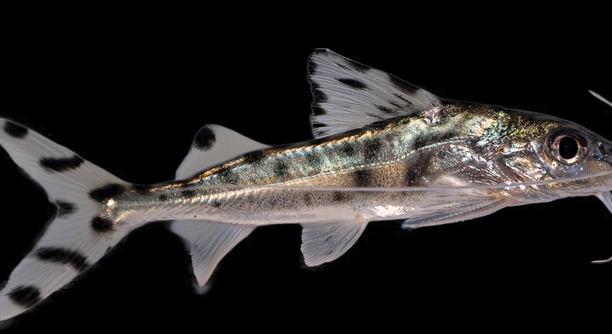
Many people enjoy keeping Pictus cats in their home aquariums. These active fish thrive better when their tank feels closer to their natural habitat. Creating a comfortable environment helps reduce their stress and encourages natural behavior.
To make a Pictus tank feel natural, focus on mimicking their native river conditions. Use soft lighting, smooth gravel, plenty of hiding spots with driftwood or plants, and maintain clean, well-oxygenated water at the right temperature. These elements combined provide an ideal setting for their health and activity.
By adjusting these key factors, you can help your Pictus fish feel secure and more at ease. A natural-feeling tank promotes better health and livelier behavior, enhancing the enjoyment of watching them swim and explore.
Choosing the Right Substrate
The substrate you select plays an important role in making your Pictus tank feel natural. Fine gravel or smooth sand works best because it resembles the riverbeds where Pictus fish live. Rough or sharp substrates can harm their delicate barbels, which they use to explore. A light-colored substrate helps to show off their spots and patterns while also creating a more natural look. When setting up the tank, rinse the substrate thoroughly to avoid cloudiness. Adding a layer about one to two inches deep gives the fish room to dig and sift. This creates an environment where they can behave naturally and feel comfortable. Avoid substrates that alter water chemistry too much, as Pictus fish prefer stable, neutral conditions. Maintaining the substrate is also key — regular vacuuming helps remove waste and keeps the tank healthy without disturbing the fish.
Using the right substrate improves your Pictus’s comfort and encourages natural foraging behavior.
Keeping the substrate clean and appropriate helps prevent stress and supports the fish’s health. It also makes the tank look balanced and close to their native environment, which is satisfying to watch.
Adding Natural Decorations
Natural decorations like driftwood, rocks, and live plants give your Pictus places to hide and explore. These decorations mimic river structures where they would normally seek shelter or hunt for food. Driftwood adds tannins, which slightly tint the water and soften it, resembling the fish’s home waters. Choose smooth rocks to avoid injury and arrange them to create caves or crevices. Live plants not only improve water quality by absorbing nitrates but also provide cover that makes your fish feel safe. Fast-growing plants like Java fern or Anubias are low maintenance and tolerate the low to moderate light Pictus fish prefer. Avoid sharp or artificial decorations that can harm the fish or disrupt their environment. Regularly check decorations for algae and clean them gently to keep the tank healthy and visually pleasing.
Adding natural elements enhances the tank’s look and benefits the fish’s well-being by offering hiding spots and improving water quality. This combination helps create a balanced ecosystem that supports the Pictus fish’s active lifestyle and natural behaviors.
Maintaining Proper Water Conditions
Stable water conditions are essential for Pictus fish health. Keep the temperature between 75-82°F and the pH around 6.5 to 7.5 for the best results.
Maintaining clean water with regular partial water changes is vital. Pictus fish come from rivers with good flow and oxygen levels, so using a filter that provides gentle current helps replicate this. Avoid sudden changes in temperature or pH, as these can stress the fish and lead to illness. Testing the water weekly for ammonia, nitrites, and nitrates ensures the environment remains safe. Using a water conditioner helps remove harmful chemicals from tap water.
Oxygen levels should be high, so consider adding an air stone or adjusting the filter output to increase surface agitation. A well-oxygenated tank encourages natural swimming patterns and overall vitality. Stable water parameters reduce stress and help your Pictus fish thrive in their home.
Lighting and Tank Placement
Lighting should be soft and not too bright, as Pictus fish prefer dim environments similar to their natural habitat.
Using low to moderate lighting mimics shaded river areas where these fish live. Avoid placing the tank in direct sunlight, which can cause temperature fluctuations and algae growth. Position the tank in a quiet area to reduce stress. Using floating plants or broad-leaf plants can diffuse light and add extra cover. A timer for lighting ensures a consistent day-night cycle, which supports the fish’s natural rhythms.
Proper lighting and tank placement not only help your Pictus feel safe but also encourage their natural behavior. The right environment can lead to better feeding habits and more active swimming, making your tank a more pleasant and natural space for them to live in.
Providing Adequate Hiding Spots
Hiding places are crucial for Pictus fish to feel secure. Use caves, dense plants, and driftwood to create shelter.
These spots reduce stress by offering refuge from bright light or tank mates. A well-hidden fish is a healthier, happier fish.
Feeding a Natural Diet
Offer a diet that reflects what Pictus fish eat in the wild. Include live or frozen foods like bloodworms, brine shrimp, and small insects. Supplement with high-quality sinking pellets designed for carnivorous fish. Feeding a varied diet promotes natural hunting behavior and better nutrition.
Monitoring Fish Behavior
Keep an eye on your Pictus fish daily. Changes in activity or appetite often signal tank problems. Early detection helps maintain a natural, healthy environment.
How often should I change the water in my Pictus tank?
Regular water changes are essential for a healthy tank. Aim to change about 20-30% of the water weekly. This helps remove waste and keeps water parameters stable. Avoid changing too much water at once, as sudden shifts can stress your fish. Always use a water conditioner to treat tap water before adding it back to the tank.
What is the ideal tank size for Pictus fish?
Pictus fish are active swimmers and need enough space to move freely. A minimum tank size of 30 gallons is recommended for a small group. Larger tanks offer more stable water conditions and room for decorations, which help mimic their natural environment.
Can Pictus fish live with other species?
Yes, Pictus fish are generally peaceful but may become shy if housed with aggressive or much larger fish. Ideal tank mates include small, peaceful species like tetras, rasboras, or Corydoras catfish. Avoid slow-moving or long-finned fish, as Pictus can be quick and active swimmers.
Do Pictus fish require special lighting?
They prefer low to moderate lighting that mimics the shaded areas of their natural rivers. Bright lights can cause stress and lead to hiding or inactivity. Using floating plants or dimmers can help create softer lighting conditions.
What kind of substrate should I use?
A fine gravel or smooth sand substrate is best. It protects the Pictus’s sensitive barbels and allows them to dig and forage naturally. Avoid sharp or rough substrates that can injure them.
How can I tell if my Pictus fish is stressed?
Signs of stress include hiding constantly, loss of appetite, clamped fins, or erratic swimming. Stress often results from poor water quality, aggressive tank mates, or improper lighting. Addressing these factors quickly can help your fish recover.
What temperature range is best for Pictus fish?
Keep the tank temperature between 75 and 82°F. This range closely matches their natural environment and supports healthy metabolism and activity levels. Use a reliable heater and thermometer to maintain consistent temperatures.
How often should I feed my Pictus fish?
Feed them once or twice a day, offering only what they can eat in a few minutes. Overfeeding can pollute the water and cause health issues. A varied diet including live, frozen, and pellet foods is ideal for their nutrition.
Can live plants survive in a Pictus tank?
Yes, many live plants do well with Pictus fish. Plants like Java fern, Anubias, and Amazon sword thrive in low to moderate light and provide hiding places. Live plants also improve water quality by absorbing nitrates.
Is it necessary to add driftwood to the tank?
Driftwood isn’t mandatory but highly recommended. It releases beneficial tannins that soften the water and create a more natural habitat. Plus, it offers shelter and surfaces for beneficial bacteria growth.
How do I clean the tank without stressing my Pictus fish?
Perform regular partial water changes and vacuum the substrate gently. Avoid over-cleaning decorations or filter media to maintain good bacteria. Move slowly and minimize sudden changes during maintenance to keep fish calm.
Can Pictus fish live alone?
Pictus fish are social and do best in small groups of three or more. Keeping them alone may cause stress or loneliness, leading to less activity or poor health. Group housing encourages natural schooling and interaction.
What should I do if my Pictus fish shows signs of illness?
Quarantine the affected fish if possible and check water parameters immediately. Common issues include parasites, fungal infections, or poor water quality. Consult a vet or fish specialist for diagnosis and treatment options. Early action improves recovery chances.
Are Pictus fish nocturnal or active during the day?
They are mostly nocturnal or crepuscular, meaning they are more active at dawn, dusk, or night. Providing hiding places and dim lighting during the day helps replicate this natural behavior and keeps them comfortable.
How can I encourage natural behavior in my Pictus fish?
Create a tank environment that mimics their natural habitat with appropriate substrate, hiding spots, and good water conditions. Offer a varied diet and avoid overcrowding. Consistent care and a stable tank make them more confident and active.
Creating a natural-feeling tank for your Pictus fish takes some effort, but it is worth it. When their environment closely matches what they experience in the wild, they tend to be healthier and more active. Simple changes like choosing the right substrate, adding natural decorations, and keeping water conditions stable can make a big difference. These steps help your fish feel safe and comfortable, which reduces stress and encourages natural behaviors such as exploring and hunting for food.
It is important to remember that maintaining a natural tank is an ongoing process. Regular water changes, checking water quality, and cleaning the tank gently keep the environment healthy. Also, paying attention to your fish’s behavior will help you notice any early signs of stress or illness. Adjusting light levels, providing hiding spots, and feeding a balanced diet tailored to their needs supports their well-being. By investing time and care, you create a balanced aquarium that benefits both the fish and your enjoyment of watching them.
Overall, a natural tank environment improves the quality of life for your Pictus fish. It allows them to live more like they would in their native rivers, which helps them thrive. Taking these steps makes the aquarium more interesting to watch and easier to maintain over time. With patience and attention, your Pictus fish will grow stronger and more vibrant, rewarding your care with lively and engaging behavior.

Hello,
If you enjoy the content that we create, please consider saying a "Thank You!" by leaving a tip.
Every little bit helps us continue crafting quality advice that supports the health, happiness, and well-being of pets around the world, for pets of all shapes, sizes, and species.
We really appreciate the kindness and support that you show us!