
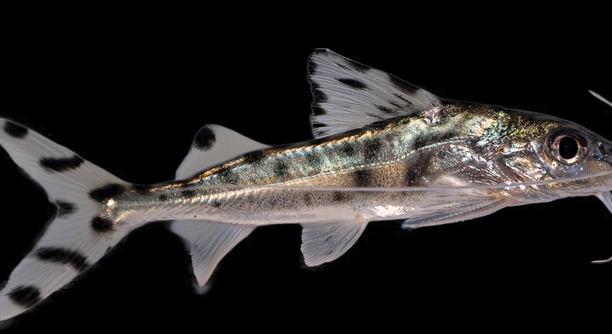
Pictus catfish are popular in home aquariums for their peaceful nature and unique appearance. When first introduced to a new tank, they often need some time to get used to their surroundings. Understanding their adjustment period can help ensure their well-being and comfort.
Pictus catfish typically take about one to two weeks to fully adjust to a new environment. During this time, they gradually become more active and comfortable as they acclimate to water conditions, tank mates, and feeding routines.
Knowing how long pictus catfish need to settle in can help you create the best care plan for them. This information is useful for maintaining a healthy and happy aquarium.
Factors Affecting Adjustment Time
Several factors influence how quickly a pictus catfish settles into a new tank. The size of the aquarium matters—larger tanks provide more space, reducing stress. Water quality is critical; stable temperature, pH, and cleanliness help the fish feel secure. The presence of other fish also impacts adjustment. If tank mates are peaceful and non-aggressive, pictus catfish adapt faster. On the other hand, aggressive or overly active fish can make them hide more and delay settling in. Feeding routine plays a role too. Regular feeding at consistent times builds trust and comfort. Finally, hiding spots such as plants or decorations give catfish a place to retreat when they feel overwhelmed. The more familiar and safe the environment seems, the sooner they will open up and show normal behavior. Being aware of these factors helps create a calm and supportive tank environment for your pictus catfish.
Adjustment speed depends on water quality and tank conditions above all else.
Ensuring stable water parameters and a calm environment greatly supports your pictus catfish’s transition. Avoid sudden changes in water chemistry or temperature to reduce stress. A consistent feeding schedule and gentle handling further promote a quicker adjustment. Monitoring behavior in the first days helps catch any issues early, such as hiding or refusal to eat. If problems arise, checking water parameters or adjusting tank mates may be necessary. Providing hiding places lets the catfish retreat as needed and feel secure. Over time, these combined efforts encourage your fish to explore, eat normally, and thrive. Patience during this phase pays off with a healthy, comfortable pictus catfish enjoying its new home.
Signs Your Pictus Catfish Is Adjusting Well
Early signs of adjustment include cautious exploration of the tank. You might notice your catfish hiding more at first but gradually swimming around and checking out its surroundings. Feeding response is a key indicator; once the fish begins to eat regularly, it shows growing comfort. Their behavior becomes more relaxed as they settle in, including less sudden darting or hiding. Coloration may brighten as well, signaling good health and reduced stress. Watching these changes closely helps confirm your catfish is adapting. If the fish remains hidden or inactive for a long time, it might suggest water issues or illness that need addressing.
Recognizing these signs ensures you can support your catfish’s well-being during this critical time.
It’s normal for pictus catfish to be shy at first. Offering a quiet tank and minimal disturbance helps them feel safer. Use slow, gentle movements near the tank and avoid sudden noises. Regular feeding encourages the fish to associate the tank with positive experiences. Gradually, your catfish will explore more and show its playful, active side. Maintaining a peaceful tank environment and stable conditions is key to this process. Sometimes, minor adjustments in lighting or decoration placement can also make the fish more comfortable. Keeping an eye on eating habits and activity levels provides good clues about their health. With time and care, your pictus catfish will become a lively and charming addition to your aquarium.
Ideal Tank Setup for Pictus Catfish
A tank size of at least 30 gallons is recommended to give pictus catfish enough room to swim. Clean, well-filtered water is essential for their health and comfort.
Soft substrate like sand or smooth gravel helps protect their delicate barbels. Including plenty of hiding spots with plants and decorations reduces stress. Moderate lighting works best since these catfish prefer dimmer environments. Keeping water temperature between 72°F and 79°F supports their natural behavior. Regular water changes maintain good water quality and prevent toxin build-up. This setup mimics their natural habitat, helping them adjust quickly and stay healthy.
Careful attention to tank conditions and environment can make a big difference in how comfortable your pictus catfish feel. Observing their behavior will show if the setup meets their needs.
Adjusting tank decorations over time can help the fish explore and feel secure. Avoid overcrowding to reduce stress and potential aggression from tank mates.
Feeding Tips During Adjustment
Feed small amounts two to three times daily to encourage regular eating habits. Use sinking pellets or wafers since pictus catfish are bottom feeders. Including occasional live or frozen foods like bloodworms adds variety and nutrition.
During the adjustment phase, watch their appetite closely. Some may eat less at first, but consistent feeding builds trust and health. Remove uneaten food promptly to maintain water quality. Avoid overfeeding, which can cause digestive issues and water pollution. Patience during feeding helps the catfish become more confident and energetic. Keeping feeding times consistent creates a routine that eases their stress.
Providing a balanced diet and proper feeding schedule contributes to quicker acclimation and overall well-being. It also supports their natural foraging behavior in the tank.
Common Stress Signs in Pictus Catfish
Stress in pictus catfish shows as hiding, loss of appetite, and unusual swimming patterns. These behaviors indicate discomfort and need immediate attention.
Other signs include faded colors and rapid breathing. Addressing these quickly helps prevent illness and supports recovery.
How to Reduce Stress During Adjustment
Keeping water conditions stable is crucial to reduce stress. Avoid sudden changes in temperature, pH, or tank setup.
Minimize loud noises and rapid movements near the tank. Providing plenty of hiding places helps the fish feel safe. Consistent feeding times also create a calming routine.
Importance of Patience
Pictus catfish need time to feel secure in a new environment. Rushing this process can increase stress and delay adjustment.
Allowing your catfish to settle naturally supports long-term health and well-being.
Monitoring Health During Adjustment
Regular observation of your pictus catfish helps catch any health problems early. Watch for changes in behavior, appetite, or appearance.
FAQ
How long does it take for a pictus catfish to stop hiding?
Pictus catfish usually start hiding less after about one to two weeks in a new tank. At first, they feel safer staying in hiding spots, but as they grow more comfortable with their surroundings, they explore more openly. Providing enough plants and decorations helps them feel secure while they adjust.
What is the best water temperature for pictus catfish?
The ideal water temperature for pictus catfish is between 72°F and 79°F. Keeping the temperature stable within this range supports their immune system and encourages natural behavior. Sudden temperature changes can stress them and delay adjustment.
How often should I feed my pictus catfish during the adjustment period?
Feeding your pictus catfish two to three small meals a day works well during the adjustment period. This helps them get used to the feeding routine and ensures they receive enough nutrition. Use sinking pellets or wafers, as they prefer to eat from the bottom.
Can pictus catfish live with other fish?
Yes, pictus catfish are generally peaceful and can live with other non-aggressive fish. They do best with tank mates who won’t nip at their barbels or compete aggressively for food. Avoid keeping them with large or aggressive species that might stress them out.
Why is my pictus catfish not eating?
A pictus catfish may refuse food at first due to stress or unfamiliarity with the tank. It’s normal for them to eat less in the first few days. If this continues beyond two weeks, check water quality, temperature, and tank mates, as these factors might be causing discomfort or illness.
How important are hiding places for pictus catfish?
Hiding places are very important, especially during the adjustment phase. Plants, caves, or decorations give them a safe space to retreat when feeling threatened. This reduces stress and encourages them to explore more as they grow comfortable in their environment.
What water parameters should I monitor for pictus catfish?
Maintain pH between 6.5 and 7.5 and keep ammonia and nitrite levels at zero. Nitrate should be kept low with regular water changes. Stable parameters prevent stress and promote faster adjustment for pictus catfish.
How can I tell if my pictus catfish is healthy?
A healthy pictus catfish is active, swims freely, and has bright, clear eyes and vibrant color. It should respond to feeding and show normal breathing. Any signs of lethargy, discoloration, or rapid breathing can indicate health issues.
What should I do if my pictus catfish shows signs of illness?
If your pictus catfish appears sick, test water quality first and make sure conditions are ideal. Isolate the fish if needed and consider consulting a vet or aquarium specialist. Early treatment increases chances of recovery.
Do pictus catfish need a special diet?
They thrive on a varied diet that includes sinking pellets, wafers, and occasional live or frozen foods like bloodworms. A balanced diet supports their health and helps them adjust better to a new tank.
Is it normal for pictus catfish to be shy at first?
Yes, it’s normal. Shyness is part of their natural response to new environments. Over time, with stable conditions and care, they become more confident and active.
How can I help my pictus catfish adjust faster?
Provide a calm environment with stable water parameters, regular feeding, and plenty of hiding spots. Avoid sudden changes or disturbances near the tank. Patience and gentle care are key to helping them settle in quickly.
Pictus catfish need time and care to adjust well to a new aquarium. Their adjustment period usually lasts about one to two weeks, but it can vary depending on the tank conditions and other factors. During this time, it is important to provide a stable environment with clean water, proper temperature, and peaceful tank mates. These fish tend to be shy at first, so giving them plenty of hiding places helps reduce stress and makes them feel safe. Watching their behavior closely during this time can give clues about how comfortable they are. If they start swimming more freely and eating regularly, it means they are settling in well.
Maintaining a regular feeding schedule with small, frequent meals is also helpful. Pictus catfish are bottom feeders, so sinking pellets or wafers work best. Adding occasional live or frozen foods can improve their diet and encourage natural foraging. It is normal for them to eat less at first, but consistent feeding helps build trust and supports their health. Avoid overfeeding, which can cause water quality problems and digestive issues. Keeping water clean with regular changes is another key part of their care. Good water quality prevents stress and disease, making the adjustment easier for the fish.
Patience is very important when caring for pictus catfish. Rushing their adjustment or making sudden changes to the tank can increase their stress and cause problems. Instead, create a calm and steady environment and let them settle at their own pace. Over time, they will become more active, colorful, and comfortable in their new home. By understanding their needs and watching for signs of stress or illness, you can help ensure a healthy and happy life for your pictus catfish. Taking these steps makes the experience rewarding and helps your fish thrive in the aquarium.

Hello,
If you enjoy the content that we create, please consider saying a "Thank You!" by leaving a tip.
Every little bit helps us continue crafting quality advice that supports the health, happiness, and well-being of pets around the world, for pets of all shapes, sizes, and species.
We really appreciate the kindness and support that you show us!