
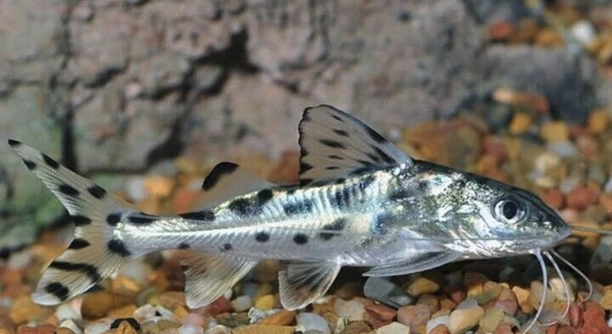
Pictus catfish are popular freshwater fish known for their peaceful nature and active swimming. They live comfortably in stable environments but can react strongly to sudden changes. Understanding these changes helps keep them healthy and happy.
Pictus catfish show the most stress from sudden water parameter shifts, drastic changes in tank setup, introduction of aggressive tank mates, poor diet adjustments, lack of hiding spots, inconsistent lighting, and overcrowding. Each factor significantly impacts their behavior and well-being.
Knowing these key stressors can improve care and prevent common problems for pictus catfish in home aquariums.
Sudden Water Parameter Changes
Pictus catfish are very sensitive to changes in water quality. Sudden shifts in temperature, pH, or ammonia levels can shock them quickly. These fish thrive best in stable, well-maintained water conditions. When water parameters change too fast, their immune system weakens, making them vulnerable to diseases. It’s important to test the water regularly and perform small, gradual water changes instead of large ones. Keeping the water clean and balanced reduces stress and promotes a healthy environment for the fish to swim and feed comfortably. Many problems with pictus catfish begin with overlooked water changes or poor water maintenance, so staying consistent with tank care is crucial.
Avoid drastic water changes or adding new water without testing it first. This helps the fish adjust without feeling threatened or stressed by sudden differences. Maintaining stable water keeps pictus catfish calm and active.
A good practice is to keep the temperature steady between 75°F and 81°F and maintain a pH near neutral, around 6.5 to 7.5. Regular monitoring ensures the fish remain comfortable and healthy over time.
Drastic Changes in Tank Setup
Drastic alterations to the tank layout can unsettle pictus catfish. These fish enjoy familiar hiding places and stable decorations. Removing or moving plants, rocks, or caves abruptly can make them feel unsafe. They use these spots to rest and escape when feeling stressed. Changing the tank setup often leads to shy or hiding behavior, as well as reduced feeding. It is better to rearrange decorations slowly or introduce new elements gradually. Keeping the environment consistent helps the fish feel secure and confident.
Small changes in the tank should be done with care, avoiding disruption of their routine.
When setting up a tank, think about the natural habitat of pictus catfish. They come from slow-moving rivers with plenty of cover, so they need places to hide and swim freely. Adding smooth rocks, driftwood, and plants can mimic their natural environment and keep them comfortable. Avoid sharp or rough decorations that could injure their delicate barbels. Over time, these elements provide a sense of stability. When new tank decorations are added, watch the fish closely for signs of stress or discomfort and adjust as needed. Consistent tank conditions promote their overall health and reduce the chance of illness or aggression.
Introduction of Aggressive Tank Mates
Pictus catfish are peaceful and do not do well with aggressive or territorial fish. Aggressive tank mates cause stress and may lead to injury.
Introducing aggressive fish can make pictus catfish hide more and stop eating. Stress from bullying weakens their immune system, making illness more likely. They prefer calm companions like small tetras or peaceful bottom dwellers. Avoid mixing them with cichlids or large, aggressive species that can chase or nip at their fins.
Choosing compatible tank mates is key. Observing fish interactions helps catch problems early. If aggression appears, separating the fish is necessary to keep pictus catfish safe and stress-free.
Poor Diet Adjustments
Sudden changes in diet can shock pictus catfish, causing refusal to eat or health problems. They thrive on a consistent diet of sinking pellets, live or frozen foods, and occasional vegetables.
A balanced diet keeps their energy up and supports healthy growth. Abruptly switching foods can lead to digestive issues or loss of appetite. Introducing new foods gradually helps them adjust without stress. Including variety is important but should be done slowly. Pictus catfish enjoy bloodworms, brine shrimp, and daphnia, which provide needed protein. Vegetables like zucchini or cucumber add fiber and nutrients.
Maintaining a regular feeding schedule supports their metabolism. Overfeeding should be avoided to prevent water pollution and health problems. Proper diet care improves their coloration and activity levels, keeping them vibrant and lively in the tank.
Lack of Hiding Spots
Pictus catfish need plenty of hiding places to feel safe. Without enough cover, they become stressed and may hide less or stay at the tank bottom.
Hiding spots help them reduce stress and rest properly. Plants, caves, and driftwood work well as shelters.
Inconsistent Lighting
Inconsistent lighting disrupts the natural rhythm of pictus catfish. They prefer dim lighting that mimics their natural environment.
Too much light can make them nervous and less active. A timer can help keep light cycles steady, supporting healthy behavior and sleep patterns.
Overcrowding
Too many fish in one tank increase stress and reduce oxygen levels. Pictus catfish need space to swim and explore comfortably. Overcrowding can cause aggression, poor water quality, and health issues, all of which affect their well-being negatively.
FAQ
How often should I change the water for my pictus catfish?
Water changes should be done regularly, about 20-30% every one to two weeks. Frequent partial changes help maintain stable water quality and reduce harmful buildup. Avoid changing too much water at once to prevent stressing your fish with sudden shifts in water parameters. Testing your water weekly ensures conditions stay safe.
What is the ideal tank size for pictus catfish?
A tank of at least 30 gallons is recommended. Pictus catfish are active swimmers and need space to move freely. A larger tank also helps keep water stable and reduces aggression or stress caused by overcrowding. If keeping more than one, increase the size accordingly.
Can pictus catfish live with other fish?
Yes, but choose peaceful species that won’t chase or nip their fins. Avoid aggressive or territorial fish. Good companions include small tetras, rasboras, and peaceful bottom dwellers. Watch their behavior to ensure harmony and be ready to separate fish if problems arise.
What should I feed my pictus catfish?
Feed a mix of sinking pellets, live or frozen foods like bloodworms, brine shrimp, and occasional vegetables such as zucchini or cucumber. This diet provides necessary protein and fiber. Feed small amounts twice daily and remove uneaten food to keep the tank clean.
Why is my pictus catfish hiding all the time?
Hiding can mean stress or illness, but it’s normal if they have good shelter. If they hide constantly without coming out to eat, check water quality and tank conditions. Sudden changes in the tank or aggressive tank mates may cause this behavior.
How do I reduce stress in my pictus catfish?
Keep water stable and clean, provide hiding spots, avoid sudden tank changes, and choose compatible tank mates. Maintaining a calm environment and feeding a balanced diet also helps. Stress weakens their immune system, so prevention is key.
Can pictus catfish live in community tanks?
Yes, if the tank mates are peaceful and the tank is large enough. Avoid overcrowding and aggressive species. Monitor interactions closely to prevent stress or injury. A well-planned community tank supports the health and happiness of pictus catfish.
What water temperature is best for pictus catfish?
Keep the temperature steady between 75°F and 81°F. Sudden temperature drops or rises can shock the fish. Use a reliable heater and thermometer to maintain a consistent environment.
How long do pictus catfish live?
With proper care, they can live 8 to 10 years. Stable water conditions, a good diet, and low stress contribute to their longevity. Regular maintenance keeps them healthy throughout their life.
Why are my pictus catfish losing their barbels?
Barbel loss can result from poor water quality, injury, or bacterial infections. Sharp decorations may cause damage. Improving water conditions and providing smooth hiding spots help prevent this issue. If barbels don’t regrow, consult a vet for treatment options.
Final thoughts on caring for pictus catfish focus on the importance of a stable and comfortable environment. These fish are sensitive to changes and stress, so keeping their tank conditions steady is key. Regular water testing and careful maintenance help avoid sudden changes that can harm them. Making sure water temperature, pH, and cleanliness stay consistent gives pictus catfish the best chance to thrive. Gradual changes are always better than quick shifts, whether it’s water quality, tank setup, or diet. This steady care builds a safe and healthy home for them.
Another important point is the need for a balanced and suitable environment. Pictus catfish rely on hiding spots, like plants, caves, or driftwood, to feel secure. Without these places, they become nervous or stressed. A well-planned tank also considers their social needs. They get along well with peaceful fish but can be easily stressed by aggressive tank mates. Overcrowding should be avoided to give them enough space to swim and rest comfortably. Proper tank decoration and compatible companions create a calm atmosphere that supports their natural behavior and reduces health risks.
Lastly, diet and monitoring behavior are essential for pictus catfish care. Feeding a varied diet with sinking pellets, live or frozen foods, and vegetables keeps them healthy and energetic. Sudden diet changes can upset their system, so new foods should be introduced slowly. Watching how your fish behave gives clues about their health and comfort. If they hide too much, stop eating, or show signs of stress, it’s a signal to check their environment and water quality. Consistent attention and gentle care help pictus catfish live longer, happier lives in home aquariums.

Hello,
If you enjoy the content that we create, please consider saying a "Thank You!" by leaving a tip.
Every little bit helps us continue crafting quality advice that supports the health, happiness, and well-being of pets around the world, for pets of all shapes, sizes, and species.
We really appreciate the kindness and support that you show us!