
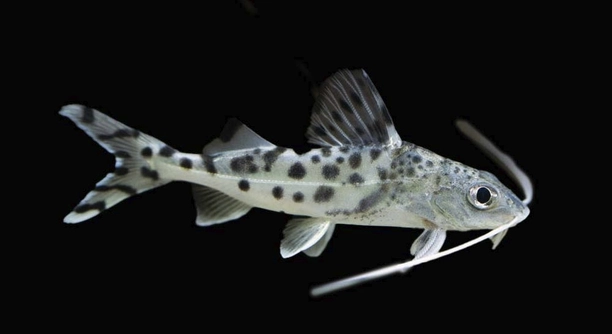
Have you ever watched your Pictus catfish and noticed them swimming in and out of the same cave or plant over and over again?
Pictus catfish do compete for hiding spots, especially when tank space is limited or when multiple individuals are kept together. Their natural instinct to seek shelter and establish territory can lead to brief chases or mild aggression.
Learning why this happens and how to manage it can help create a calmer, healthier environment for your catfish.
Why Pictus Catfish Compete for Hiding Spots
Pictus catfish are naturally active and curious fish that rely on hiding spots to feel secure. In a shared tank, competition for these spaces can happen often, especially if the tank isn’t large enough or lacks proper decorations. They are not overly aggressive, but they are territorial about preferred spots, particularly during the day when they seek cover from light. If the number of hiding spots is limited, you might notice light chasing or nipping. This is their way of establishing boundaries. These fish are nocturnal, so having enough shaded or dark spaces is important for their comfort. A well-decorated tank helps reduce tension and makes each fish feel safe. Observing their behavior closely will help you notice when one is being pushed out too often, which is a sign the tank setup may need adjustment.
Adding more caves, driftwood, and plants is the simplest way to reduce stress in a shared tank.
Each Pictus catfish may prefer different types of cover. While one might love a rock crevice, another may settle under a broad leaf or inside a hollow log. These preferences make it important to offer a variety of shelter types. Make sure your tank has more hiding places than the number of catfish. For example, if you have three catfish, aim for at least five distinct hiding spots. This gives each fish choices and reduces the chance of one dominating a single space. Lighting also plays a part. These fish are sensitive to bright light, and providing shaded areas helps keep them comfortable. A mix of floating plants and decorations placed across the tank—not just clustered in one area—gives them more freedom to roam and settle without conflict. A well-spaced layout keeps them active while still feeling protected.
Creating a Peaceful Environment
Tank size plays a big role in how often your Pictus catfish compete. Small tanks tend to make things worse.
For adult Pictus catfish, a minimum tank size of 55 gallons is recommended, especially when keeping more than one. In cramped spaces, they have fewer places to retreat, which increases stress and territorial behavior. Aside from adding extra hiding spots, consider rearranging tank decor now and then. This helps break up established territories and encourages the fish to explore again without clinging to one area. A strong filter is also essential because these fish are fast swimmers and appreciate clean, oxygen-rich water. Tank mates matter too. Avoid slow or long-finned fish that might get chased or stressed. Instead, pair Pictus catfish with other peaceful, quick fish that prefer the middle or upper levels of the tank. When these factors are balanced, competition drops and your catfish are more relaxed. Regular observation will help you notice small changes before they become real issues.
Recognizing Stress in Pictus Catfish
Stress from competition shows up in small but noticeable ways. You might see one catfish hiding more, swimming erratically, or refusing to eat. These signs usually mean the fish feels unsafe or overwhelmed.
When Pictus catfish don’t have enough space or hiding spots, they often react by staying hidden for long periods or avoiding interaction with tank mates. Another sign is sudden bursts of swimming, where a catfish darts around the tank and then returns to hiding. This behavior signals discomfort or stress. You may also notice changes in appetite. A healthy catfish is usually eager during feeding time, but stressed ones can ignore food altogether. Pay close attention to these shifts. Even though Pictus catfish are hardy, ongoing stress can weaken their immune system. Tracking behavior over several days will help you identify patterns and adjust your tank before more serious health problems appear.
Sometimes the stress is subtle. One fish may hover near the filter intake or stay in a corner. Others may become more aggressive or defensive over one hiding spot, especially if a dominant catfish has claimed it. If you notice frequent chasing or one fish avoiding others constantly, it’s time to step in. This doesn’t mean your catfish are naturally aggressive—it simply means their needs aren’t being met. Rearranging the tank or adding more shelters usually helps. Dim lighting and quieter surroundings also reduce stress. Keeping the water clean and conditions stable will support their recovery and help bring back their usual energy and confidence. Watching their daily habits closely helps prevent minor problems from turning into long-term issues.
Preventing Future Conflicts
Providing more space is one of the most effective ways to reduce competition and stress. Each catfish needs room to explore, hide, and swim without feeling threatened by others.
To avoid future conflicts, always stock your tank with plenty of hiding areas that are evenly spaced throughout. Don’t cluster decorations in one part of the tank. This can cause your fish to gather in the same area, which increases tension. Use driftwood, stacked rocks, dense plants, and specially designed aquarium caves. Rearranging decorations every few weeks helps keep territories from becoming fixed. This encourages the fish to explore rather than defend one area. Maintain proper water parameters—ammonia, nitrite, and nitrate levels should always be stable. Also, feed your catfish consistently and in a calm environment. Overfeeding or dropping food in one spot can lead to more competition. A peaceful tank environment lowers aggression and supports your fish’s well-being over time.
Best Tank Setup Practices
Use soft, sandy substrate to prevent injury to their sensitive barbels. Avoid sharp rocks or decorations with rough edges that might cause harm. Keep lighting dim, as bright lights can make them feel exposed and stressed.
Add a strong filter with gentle current, since Pictus catfish enjoy moving water. Maintain steady temperatures between 75–81°F. Keep a secure lid on the tank—these fish are known jumpers.
Tank Mates to Avoid
Avoid pairing them with slow, long-finned fish like angelfish or bettas, as these can become targets for playful chasing. Shrimp and very small fish may be mistaken for food. Stick with peaceful, fast swimmers.
Nighttime Behavior
At night, Pictus catfish become more active. They explore the tank, search for food, and interact more freely when the environment is quiet and dim.
FAQ
Do Pictus catfish need hiding spots at all times?
Yes, hiding spots are essential for Pictus catfish. These fish rely on shelter to feel secure, especially during the daytime when they are less active. Providing multiple hiding places helps reduce stress and prevents competition among tank mates.
How many hiding spots should I provide?
Aim to have more hiding spots than the number of catfish in your tank. For example, if you have three Pictus catfish, provide at least five shelters. This ensures each fish has options to retreat and lowers chances of territorial disputes.
What materials work best for hiding spots?
Natural materials like driftwood, smooth rocks, and dense plants are ideal. Aquarium-safe caves and tubes also work well. Avoid anything with sharp edges or rough surfaces that could injure their delicate barbels.
Can Pictus catfish share hiding spots peacefully?
They can share hiding spots briefly but usually prefer individual spaces. When tank space is limited, mild chasing or nudging may occur as they establish temporary boundaries. Providing plenty of shelters reduces this behavior significantly.
Will adding more Pictus catfish increase competition?
Increasing the number of catfish can raise competition if the tank is too small or hiding spots are insufficient. Larger tanks with ample decoration help spread out their territories and reduce conflicts, even with multiple fish.
How does tank size affect hiding spot competition?
Smaller tanks limit space and shelter options, making competition more likely. Larger tanks give catfish room to swim and hide without crowding each other, which lowers territorial behaviors and stress.
Do lighting conditions impact their need for hiding spots?
Yes, Pictus catfish prefer dim lighting and shaded areas. Bright light makes them feel exposed, so providing floating plants or shaded spots encourages them to use hiding places more comfortably.
What signs show that a catfish is stressed from hiding spot competition?
Signs include excessive hiding, loss of appetite, erratic swimming, or increased aggression. You might notice one fish being chased repeatedly or avoiding others entirely. Early recognition helps prevent health issues.
How often should I rearrange tank decorations?
Rearranging decorations every few weeks prevents fish from becoming too attached to a single territory. This encourages exploration and helps reduce territorial disputes by breaking up established hiding spots.
Are there specific tank mates that help reduce hiding spot conflicts?
Peaceful, fast-swimming fish that occupy different tank levels, like tetras or danios, are good companions. Avoid slow or long-finned species that may cause additional stress or become targets for chasing.
Can poor water quality worsen competition for hiding spots?
Yes, poor water conditions increase stress and aggression in fish. Maintaining clean water with stable parameters reduces overall tension and helps Pictus catfish feel more comfortable sharing their environment.
Is it normal for Pictus catfish to jump out of the tank?
Yes, they are known jumpers, especially if stressed or startled. A secure lid is necessary to prevent escape and injury. Providing enough hiding spots and maintaining good water quality lowers their urge to jump.
What is the best feeding strategy to reduce competition?
Feed small amounts evenly distributed around the tank rather than in one spot. This prevents crowding and chasing at feeding times, which can add to competition and stress.
Do Pictus catfish compete more during breeding?
They may become more territorial when breeding. Providing extra hiding spaces and separating breeding pairs if needed can reduce conflicts during this time.
How can I tell if my catfish is bullying others?
Look for repeated chasing, biting, or cornering of a single fish. Bullying usually means the tank setup needs more hiding spots or space. Adjusting the environment often calms aggressive behavior.
Is it okay for Pictus catfish to be alone without hiding spots?
While they can live alone, Pictus catfish still need hiding places for security. Even single fish will feel stressed without adequate shelter, leading to poor health and behavior issues.
Final Thoughts
Pictus catfish are lively and interesting fish that benefit greatly from a well-planned tank setup. Their need for hiding spots is a natural part of their behavior and helps them feel safe in their environment. When they have enough places to retreat to, they show less stress and display more natural, relaxed behavior. Competition for hiding spots can happen, especially when the tank is too small or lacks enough shelters. This competition is usually mild, but it can affect their well-being if not addressed properly. Taking the time to create a comfortable space with plenty of hiding spots can make a big difference in how your catfish interact and thrive.
A tank with good decorations like caves, plants, and driftwood offers Pictus catfish options to explore and rest. It also helps to rearrange these decorations from time to time to prevent fixed territories from causing long-term conflicts. The size of the tank matters as well, because crowding makes competition more likely. Keeping water clean and maintaining steady conditions also supports their health and reduces stress-related behaviors. By paying attention to their needs and habits, it becomes easier to notice any changes that might signal discomfort or aggression. Early action, such as adding more shelters or adjusting tank mates, usually helps calm the fish and keeps the environment peaceful.
Overall, Pictus catfish do compete for hiding spots, but this behavior is manageable with proper care and tank setup. Understanding their natural instincts helps create a better home where each fish feels secure and can behave normally. Watching their behavior closely and making small adjustments when needed ensures a balanced and healthy aquarium. These steps contribute to the long-term happiness and well-being of your Pictus catfish, helping them live comfortably and peacefully.

Hello,
If you enjoy the content that we create, please consider saying a "Thank You!" by leaving a tip.
Every little bit helps us continue crafting quality advice that supports the health, happiness, and well-being of pets around the world, for pets of all shapes, sizes, and species.
We really appreciate the kindness and support that you show us!